
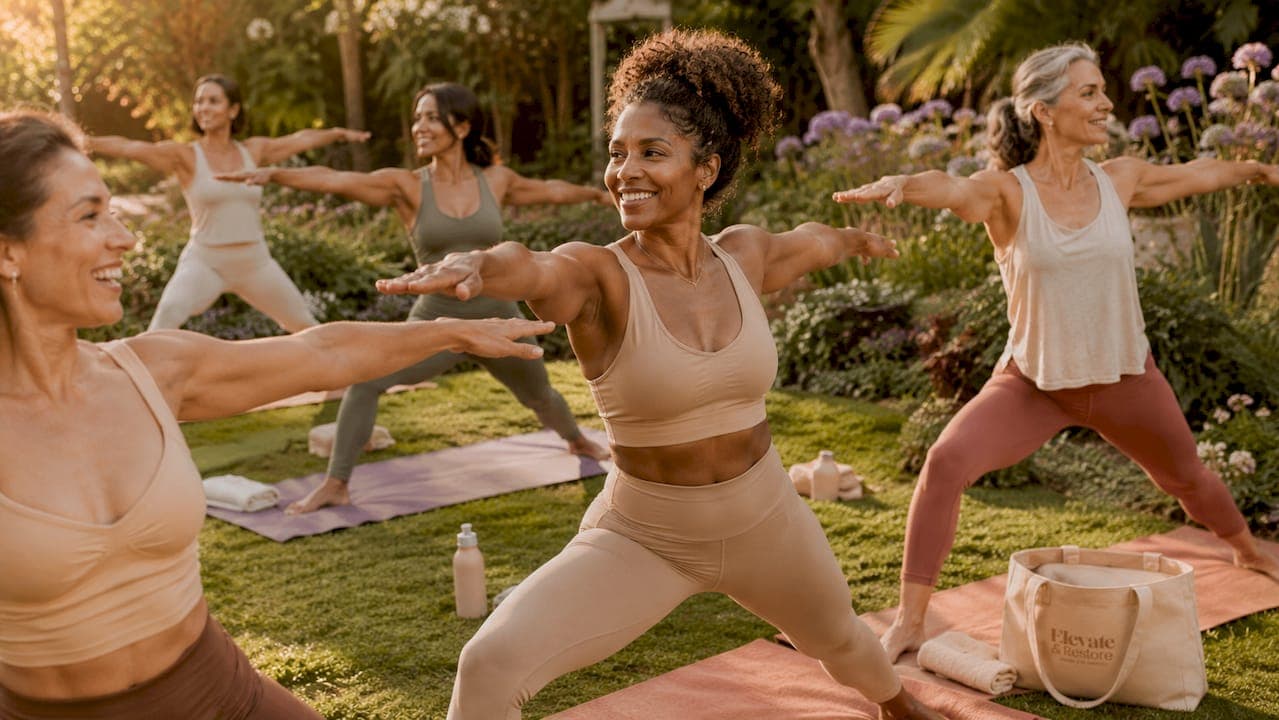
Community fitness benefits women by delivering measurable gains in motivation, mental well-being, and long-term exercise consistency that solo training simply cannot replicate. Group exercise environments explain 49% of variance in mental health outcomes for women, which means the people around you during a workout matter as much as the workout itself. Women now make up 57% of global gym-goers, and the fastest-growing segment is women over 30 who are choosing community-based formats for reasons that go well beyond weight loss. The industry term for this is social fitness, and it covers everything from small group training and Pilates studios to run clubs and online accountability groups.
1. What are the top community fitness benefits for women over 30?
Group fitness is the most reliable driver of consistent attendance for women. Research shows 64% of large-group participants attend sessions three or more times per week, compared to 63% adherence for solo training. That gap is small in percentage terms but enormous in real-world habit formation.
The core benefits stack on top of each other:
- Motivation and accountability. Showing up for a class you have booked, with people expecting you, is a fundamentally different psychological experience than deciding whether to go to the gym alone. Group settings foster motivation through social obligation and shared energy.
- Mental health improvements. Stress reduction, mood lift, and reduced anxiety are consistent outcomes in women who train in community settings. Mindful movement in groups amplifies these effects beyond what physical exertion alone produces.
- Social connection. Fitness communities combat loneliness by creating genuine friendships built around shared effort. Adult recreation clubs are rising in popularity precisely because women want social connection as much as physical results.
- Exercise identity. Women who train in groups begin to see themselves as active people. That identity shift is what turns a six-week programme into a permanent lifestyle.
- Shared knowledge. Community fitness groups provide social support not just as encouragement but as a shared knowledge base, helping women navigate health needs in judgement-free environments.
Pro Tip: Book your first week of classes in advance. Pre-commitment is the single most effective way to convert intention into attendance.
2. How do different community fitness formats support women's health goals?
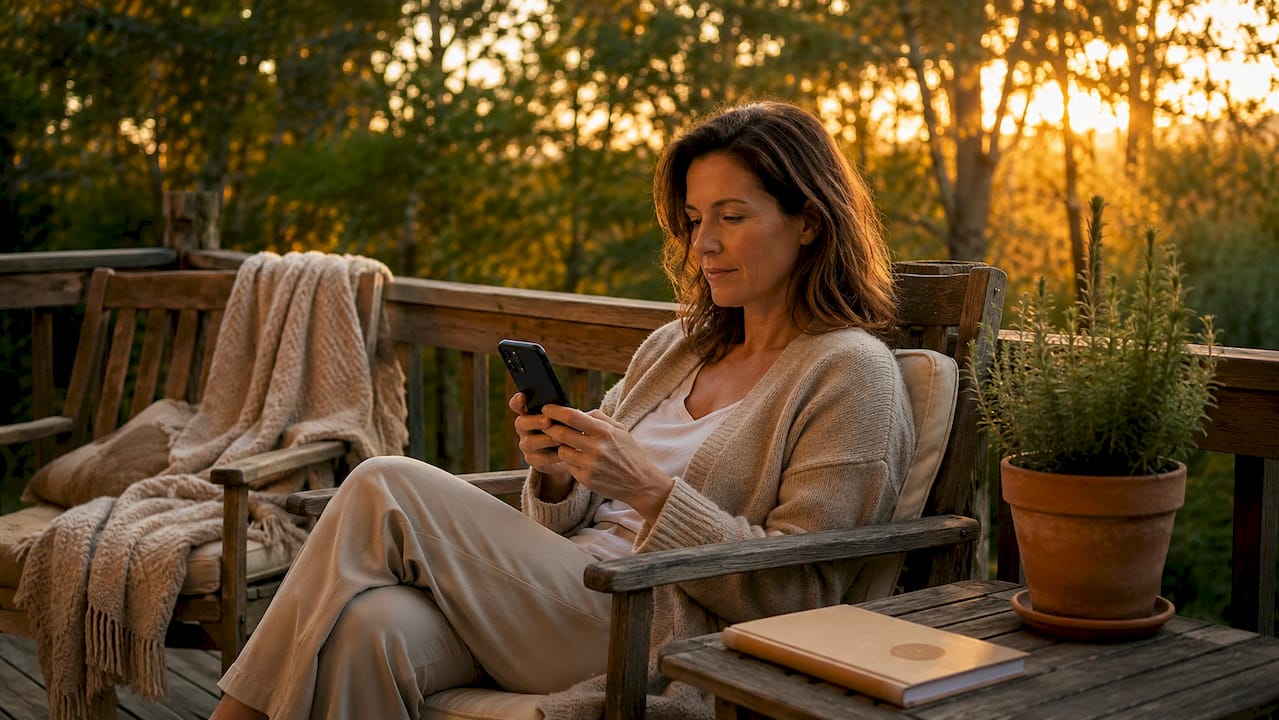
Not all group fitness formats deliver the same experience, and choosing the right one matters more than most women realise.
Small group training (typically 4–8 people) offers personalised coaching, real-time form correction, and genuine injury prevention. At Elevateandrestore, sessions run with a maximum of six participants. That cap is deliberate. It means the coach knows your name, your movement history, and your goals. For women over 30, where functional training prevents injury and supports longevity, this level of attention is not a luxury. It is the point.
Large group classes generate what researchers call collective effervescence, a shared energy that elevates individual performance. Satisfaction scores in large-group settings average 8.8 out of 10, which reflects how powerfully group energy affects perceived enjoyment.
Women-only and female-focused programmes are growing because they prioritise hormone awareness, cycle-based training, and mental resilience over generic performance metrics. These formats create psychological safety that mixed environments often cannot.
Online communities function as digital support networks, particularly for women managing work, family, and health simultaneously. Eight-week remote group programmes effectively increase moderate-to-vigorous physical activity while supporting autonomy and peer connectedness.
| Format | Key benefit | Best for | Typical cost |
|---|---|---|---|
| Small group (4–8) | Personalised coaching, injury prevention | Women new to training or returning after injury | $30–$50 per session |
| Large group class | Collective energy, high satisfaction | Women who thrive on group atmosphere | $15–$30 per session |
| Women-only programme | Hormone-friendly, psychologically safe | Women prioritising cycle-based or holistic training | $20–$40 per session |
| Online community | Flexibility, peer accountability | Women with variable schedules | $10–$25 per month |
Pro Tip: Try at least two different formats before committing to a membership. The format that fits your personality will feel obvious after one session.
3. Why does exercise identity lead to lasting fitness habits?
Exercise identity is defined as the degree to which a person sees being active as central to who they are. It is the single strongest predictor of long-term fitness adherence, and community settings are where it forms fastest.
Women who develop exercise identity in group settings stop asking "should I go today?" and start asking "what am I doing this week?" That cognitive shift is the difference between a habit and a chore. Research consistently links identity formation to enjoyment, not discipline, which means the goal is to find a community you genuinely like being part of.
"Fitness communities help change women's relationship to exercise from punishment to joy and self-expression, centring on longevity and mental resilience." — Shift in community fitness focus (2026)
The shift from aesthetic goals to performance and wellness goals is a defining feature of women's fitness communities in 2026. Women over 30 are increasingly focused on strength, energy, hormonal balance, and how they feel rather than how they look. Community settings accelerate this shift because the group's shared values replace the comparison culture that dominates solo gym environments.
Women's fitness communities function as counterpublics that actively contest mainstream aesthetic norms, replacing self-optimisation pressure with collective care. That is not a soft benefit. It is a structural reason why women in communities stay consistent when women training alone do not.
4. How community fitness supports holistic wellness beyond physical health
The benefits of group exercise for women extend well past physical fitness. The most effective female fitness support groups address mental health, hormonal balance, and social well-being as a single integrated outcome.
Activities that deliver across all three dimensions include:
- Pilates. Builds core strength, supports pelvic floor health, and reduces cortisol. Particularly effective for women over 30 managing hormonal changes. Comparing Pilates vs yoga for women over 30 reveals distinct benefits depending on your primary goal.
- Functional strength training. Supports bone density, metabolic health, and injury resilience. Most effective in small group formats where coaching quality is high.
- Run clubs. Combine cardiovascular fitness with outdoor social connection. Low barrier to entry and naturally inclusive.
- Cycle-based training. Women's fitness communities increasingly prioritise hormone-friendly training that aligns with the menstrual cycle, supporting sustainable energy management rather than pushing through fatigue.
- Yoga and mindful movement. Reduce anxiety, improve sleep quality, and build body awareness. Best combined with higher-intensity formats for a complete programme.
The concept of fitness studios as third spaces is central to understanding why these activities work so well in community settings. Fitness as a third space provides belonging and emotional support that home workouts and corporate gyms cannot replicate. A third space sits between home and work, and for many women over 30, it is the only place in their week that belongs entirely to them.
When choosing a wellness-focused community group, look for these features:
- Small class sizes that allow the coach to know your name and movement history
- A culture that celebrates effort and progress rather than appearance
- Recovery options integrated into the programme (sauna, stretching, breathwork)
- Scheduling that respects the reality of busy adult lives
- A clear stance against comparison culture and body commentary
Community fitness settings that mitigate comparison culture by focusing on shared fun and alignment with participant values show measurably better adherence and emotional safety. The environment you train in shapes the results you get.
5. What makes a women's fitness community worth staying in?
The best female-focused workout communities share three non-negotiable qualities: psychological safety, genuine coaching, and a culture built around longevity rather than short-term transformation.
Psychological safety means you can ask a beginner question, modify a movement, or have a bad session without judgement. It sounds basic, but it is rare. Most large commercial gyms do not create it by design. Small group studios and women-only programmes build it deliberately.
Genuine coaching means the person leading your session understands female physiology, can adapt programming for hormonal fluctuations, and notices when your form is off before you get hurt. This is where small group fitness formats outperform large classes consistently. You cannot coach six people and twenty people with the same quality of attention.
A culture built around longevity means the programme measures success in how you feel at 50, not how you look at the end of a six-week challenge. Women who train for longevity stay in their communities longer, get injured less, and report higher life satisfaction from their fitness practice.
The social dimension of women's health and fitness clubs is also a legitimate health outcome. Peer connection, shared goals, and the ritual of showing up together create a support structure that extends beyond the gym floor. For many women over 30, their fitness community becomes one of their most important social networks.
Key takeaways
Community fitness benefits women most when the environment combines social support, skilled coaching, and a culture focused on long-term well-being rather than short-term aesthetics.
| Point | Details |
|---|---|
| Social support drives consistency | Women in group settings attend three or more times per week at higher rates than solo trainers. |
| Exercise identity is the goal | Women who see themselves as active build permanent habits rather than cycling through programmes. |
| Format matters for women over 30 | Small groups offer coaching quality; large groups offer collective energy. The best studios combine both. |
| Holistic wellness requires a third space | Fitness communities that function as third spaces deliver mental, hormonal, and social benefits beyond physical training. |
| Comparison culture kills adherence | Communities that actively replace aesthetic pressure with shared values and fun show better long-term retention. |
What I have seen change in women's fitness communities
The shift I have watched over the past several years at Elevateandrestore is not subtle. Women who walk in focused on losing weight or "getting back to how they looked" leave focused on how strong they feel, how well they sleep, and how much they enjoy showing up. That change does not happen because of a single class. It happens because the community around them is having the same conversation.
The women who stay longest in our small group sessions are not the ones who arrived most motivated. They are the ones who found people they genuinely wanted to train with. Accountability is real, but belonging is more powerful. When you miss a session and three people text you, that is not pressure. That is community working exactly as it should.
The challenge I see most often is women over 30 who have spent years training alone, pushing through fatigue, and measuring success by the scale. Bringing them into a group environment requires a genuine culture shift. The studio has to model what it preaches. At Elevateandrestore, that means capping sessions at six, integrating recovery into every week through the sauna, cold plunge, and compression boots, and coaching people toward performance and longevity rather than aesthetics.
Choosing the right community is not about finding the most popular studio or the hardest programme. It is about finding the environment where you can be honest about where you are and still feel like you belong.
— Elevate
Experience community fitness at Elevateandrestore
Elevateandrestore is a functional training and Pilates studio in West Footscray built specifically for the kind of community fitness experience described in this article. Sessions run with a maximum of six participants, which means every woman gets real coaching, real attention, and a real relationship with the people she trains alongside.
The reformer Pilates classes are designed for women over 30 who want strength, hormonal support, and a community that shows up consistently. The recovery lounge includes sauna, cold plunge, hot tub, and compression boots, because sustainable fitness requires recovery built into the programme, not bolted on as an afterthought. If you are ready to train in a space where the culture matches the science, Elevateandrestore is worth a visit.
FAQ
What are the main community fitness benefits for women?
Community fitness benefits women through improved motivation, mental well-being, and consistent attendance. Research shows group exercise environments explain 49% of variance in mental health outcomes for women.
How often should women attend group fitness sessions?
Research shows 64% of women in large-group formats attend three or more sessions per week. That frequency is associated with the strongest mental health and adherence outcomes.
Are small group classes better than large group classes for women over 30?
Small groups offer personalised coaching and injury prevention, while large groups generate higher collective energy and satisfaction scores averaging 8.8 out of 10. The best option depends on your goals and training history.
How does exercise identity form in community fitness settings?
Exercise identity develops when women repeatedly show up in a group environment and begin to see being active as part of who they are. Community settings accelerate this process because shared values replace aesthetic pressure.
What should women look for in a female-focused fitness community?
Look for small class sizes, a coach who understands female physiology, a culture that prioritises performance and longevity over appearance, and integrated recovery options. These features predict both safety and long-term retention.