
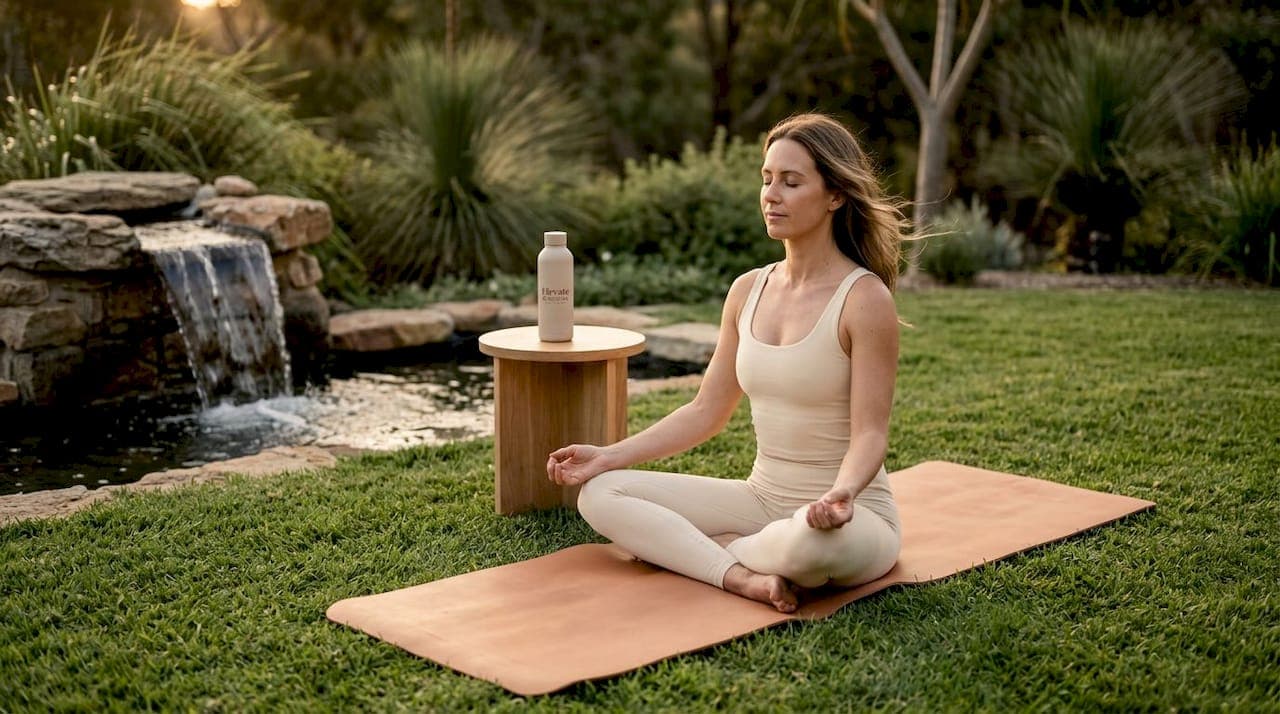
Mindful movement is defined as the practice of combining physical motion with deliberate, non-judgemental attention to bodily sensations and breath, and it is one of the most evidence-backed tools available for reducing anxiety. Unlike standard exercise, which often focuses on output and performance, mindful movement works by actively training your nervous system to shift out of threat mode. Practices like yoga, tai chi, qigong, and mindful walking all fall under this umbrella. Mindfulness-Based Stress Reduction (MBSR), developed by Jon Kabat-Zinn at the University of Massachusetts, is the most studied formal programme in this space. The Mayo Clinic recognises breath-focused movement as a direct pathway to nervous system regulation, and 2026 meta-analyses now quantify exactly how well it works.
Why mindful movement reduces anxiety, according to the research
The evidence is no longer preliminary. A 2026 systematic review and meta-analysis of 15 randomised controlled trials with 1,351 participants found that mind-body exercise reduces anxiety with a small-to-moderate effect size (Hedges' g = −0.30). That number matters because it represents a consistent, measurable shift across diverse populations, not a one-off result from a single study.
A larger review of 30 RCTs covering more than 24,000 participants found that mindfulness-based interventions produce an even stronger effect on anxiety (Hedges' g = −0.56). This places mindfulness-based movement firmly in the category of clinically meaningful treatment, not just a wellness trend.
"Mindfulness-based programmes work via multiple components beyond meditation minutes, including cognitive regulation skills like acceptance and non-judgement." — MDPI critical review
Specific practices show particularly strong results. A Bayesian network meta-analysis found yoga produced an effect size of g = −0.59 and tai chi/qigong g = −0.52, both exceeding the threshold for minimal clinical importance. In cancer survivors, a separate meta-analysis of 40 RCTs with 3,238 participants ranked qigong first for anxiety reduction (SMD −0.55), followed by yoga (SMD −0.37). These are not trivial differences. They represent real symptom relief across some of the most anxious populations studied.
| Practice | Effect size | Population studied |
|---|---|---|
| Yoga | g = −0.59 | General anxiety disorders |
| Tai chi / qigong | g = −0.52 | General anxiety disorders |
| Qigong | SMD −0.55 | Cancer survivors |
| Yoga | SMD −0.37 | Cancer survivors |
| Mindfulness-based interventions (all) | g = −0.56 | Mixed clinical populations |
How does mindful movement physiologically reduce anxiety?
The mechanism is not mysterious. When you move with focused attention on breath and sensation, you activate the parasympathetic nervous system, which is the branch responsible for rest, digestion, and recovery. This directly counteracts the sympathetic "fight or flight" response that drives anxiety symptoms like racing heart, shallow breathing, and muscle tension.
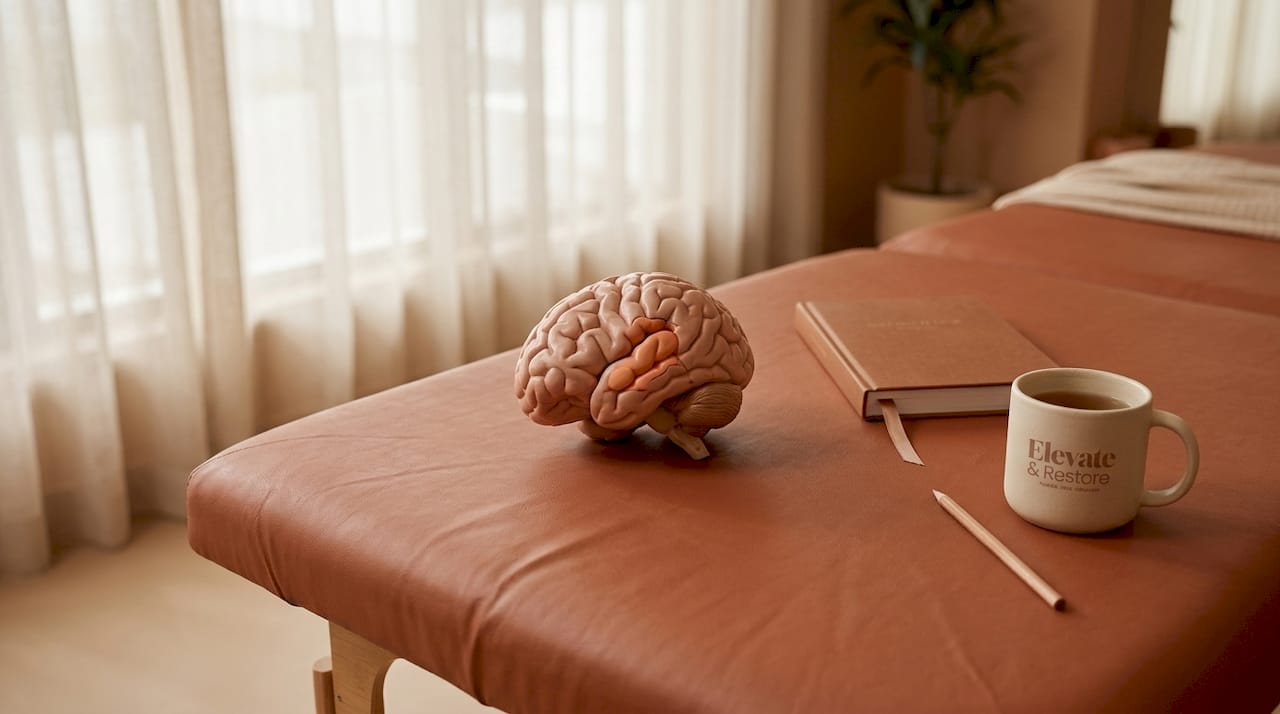
The amygdala, the brain's threat-detection centre, becomes less reactive with regular mindfulness practice. Breath focus is the most direct lever. Mayo Clinic guidance confirms that focused breathing during movement lowers cortisol and down-regulates stress hormones even in brief sessions. This is why a 20-minute yoga class can leave you feeling genuinely calmer, not just distracted.
Heart rate variability (HRV) is one of the clearest physiological markers of this shift. A 13-week mindfulness-based intervention in university students showed significant pre-to-post improvements in HRV measures (rMSSD, p = 0.028), indicating measurable parasympathetic activation. Higher HRV means your nervous system is more adaptable and less stuck in a state of chronic arousal.
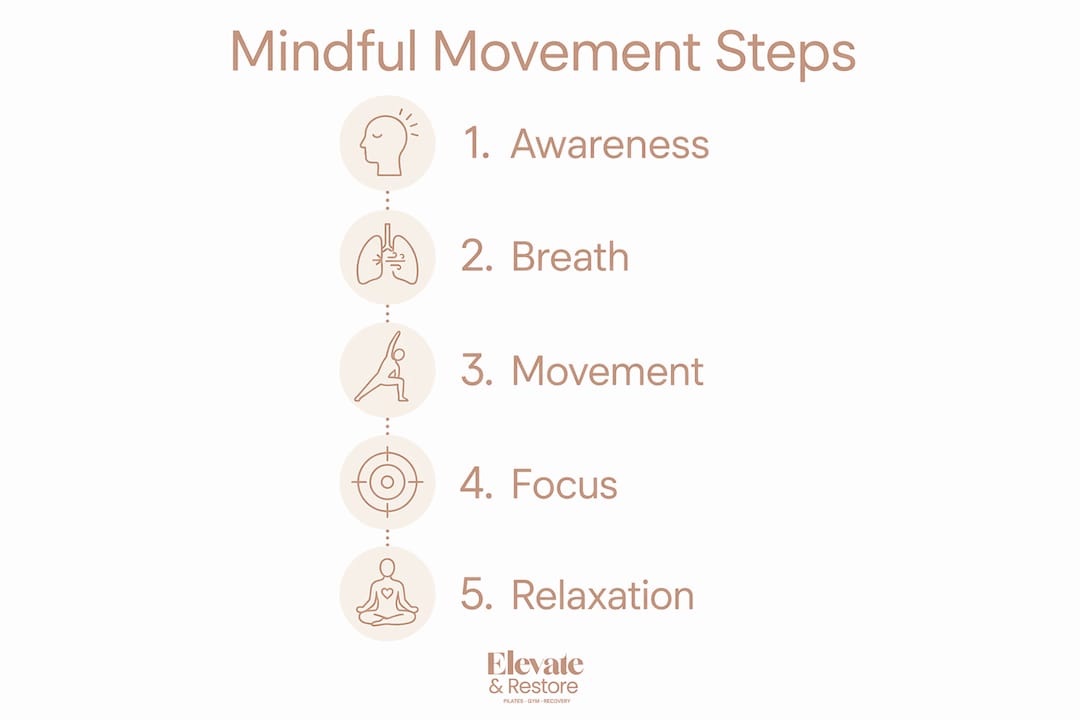
There is also the role of interoception, which is your ability to sense what is happening inside your body. Mindful movement trains you to notice physical sensations without reacting to them with alarm. Over time, this builds a kind of internal safety signal. You learn that a racing heart during a Pilates session is effort, not danger. That distinction rewires how your brain interprets physical arousal, which is a core driver of anxiety.
Pro Tip: Track your breathing depth and resting heart rate before and after each session. Even two weeks of data will show you how your nervous system is responding, and that feedback makes it far easier to stay consistent.
What is the optimal dose of mindful movement for anxiety relief?
Session length and frequency matter more than most people realise. The PeerJ meta-analysis found that sessions of 31 to 60 minutes produced stronger anxiety-reducing effects than shorter sessions, and programmes lasting more than 16 weeks showed the best outcomes. This is a dose-response relationship, meaning more consistent practice over time compounds the benefit.
Here is what the evidence suggests as a practical starting framework:
- Session length: Aim for 31 to 60 minutes per session. Sessions under 30 minutes show weaker effects in the research.
- Frequency: Practise at least four times per week. Anxiety is a daily physiological state, and infrequent movement does not create the nervous system reset cues your body needs.
- Programme length: Commit to at least 8 weeks, with 16 weeks being the point where sustained anxiety reduction becomes most reliable.
- Practice type: Choose slow, rhythm-based movement if your anxiety is high. Fast or competitive exercise can temporarily spike cortisol. Yoga, qigong, tai chi, and mindful walking are the most studied options.
- Attention quality: The movement itself is secondary to where your attention is. Mayo Clinic is clear that mindful movement should focus on movement sensations and breath, not performance or calorie expenditure.
For those comparing options, the table below outlines how different approaches stack up for anxiety management.
| Practice | Intensity | Best for | Evidence strength |
|---|---|---|---|
| Yoga | Low to moderate | General anxiety, flexibility | Strong (g = −0.59) |
| Tai chi | Low | Older adults, chronic stress | Strong (g = −0.52) |
| Qigong | Low | Cancer-related anxiety, beginners | Strong (SMD −0.55) |
| Mindful walking | Low | Accessibility, daily integration | Moderate |
| Reformer Pilates | Moderate | Body awareness, core stability | Emerging |
If you are weighing up Pilates versus yoga for your own practice, both offer genuine anxiety benefits through different physical pathways.
How does mindful movement compare with medication for anxiety?
This is the question many people are quietly asking but rarely see answered directly. A PCORI-funded randomised controlled trial compared an 8-week MBSR programme with escitalopram, a commonly prescribed antidepressant, and found roughly equal anxiety symptom reduction after 8 weeks. The critical difference was side effects: 80% of the medication group reported side effects, compared with 15% in the MBSR group.
This does not mean mindful movement replaces medication for everyone. Severity, individual history, and access all matter. What the research does establish is that mindful movement is a legitimate first-line option for mild to moderate anxiety, not a secondary or supplementary one. Key considerations include:
- Side effect profile: Mindful movement carries virtually no adverse effects when practised appropriately. Medication carries a significant side effect burden for most users.
- Skill building: MBSR and similar programmes teach cognitive regulation skills, including acceptance and non-judgement, that persist beyond the programme itself. Medication does not build these skills.
- Accessibility: Mindful movement requires no prescription and can be practised at home, in a studio, or outdoors. Group fitness settings add accountability, which improves adherence.
- Holistic benefits: Regular mindful movement improves sleep quality, reduces physical tension, and supports cardiovascular health alongside anxiety reduction. These benefits do not come with a pill.
- Limitations: Severe anxiety disorders, panic disorder with agoraphobia, and PTSD may require clinical intervention alongside or before mindful movement becomes effective.
The honest position is that mindful movement and medication are not competitors. They address anxiety through different pathways, and for many people, combining both produces better outcomes than either alone.
Key takeaways
Mindful movement reduces anxiety by activating the parasympathetic nervous system, lowering cortisol, and building interoceptive awareness through repeated, attentive practice over weeks and months.
| Point | Details |
|---|---|
| Effect size is clinically meaningful | Mindfulness-based interventions show Hedges' g = −0.56 across 30 RCTs with 24,000+ participants. |
| Dose and duration matter | Sessions of 31 to 60 minutes, four or more times per week, over at least 16 weeks produce the strongest outcomes. |
| Yoga and qigong lead the evidence | Yoga (g = −0.59) and qigong (SMD −0.55) show the strongest anxiety reduction across multiple populations. |
| Comparable to medication, fewer side effects | MBSR matches escitalopram for anxiety relief after 8 weeks, with 80% fewer reported side effects. |
| Attention quality drives the benefit | Focusing on breath and sensation, not performance, is what separates mindful movement from ordinary exercise. |
What I have learned from watching people move through anxiety
Most people come to mindful movement expecting it to feel like relaxation. It rarely does at first. What I have observed at Elevateandrestore, working with people in small groups of six, is that the first few sessions often surface more anxiety, not less. You slow down, you pay attention to your body, and suddenly you notice how much tension you have been carrying. That is not failure. That is the practice working.
The shift I see consistently is this: people stop treating movement as something they do to their body and start treating it as a conversation with their nervous system. That reframe changes everything. A Reformer Pilates session stops being about reps and starts being about noticing where you brace, where you hold your breath, and what happens when you consciously release both. Those moments of release are the actual medicine.
My honest observation is that the people who get the most from mindful movement are not the ones who are most disciplined. They are the ones who get curious. Curiosity about sensation, breath, and the gap between stimulus and response is what builds the skill over time. Discipline gets you to the session. Curiosity keeps you present once you are there.
Pairing mindful movement with recovery practices, whether that is time in the sauna, a cold plunge, or simply lying still after class, amplifies the nervous system reset. The body needs contrast to learn regulation. Movement followed by stillness teaches your system that it can return to calm after activation. That is the loop worth building.
— Elevate
Start your mindful movement practice at Elevateandrestore
If you are ready to move beyond theory and build a consistent practice, Elevateandrestore offers exactly the environment the research supports: small groups of six, attentive coaching, and a recovery hub designed to complete the nervous system loop.
Our Reformer Pilates sessions in Footscray are built around the principles of mindful movement, with breath cues, body awareness, and intentional pacing at the centre of every class. After your session, the recovery lounge, including sauna, cold plunge, hot tub, and compression boots, gives your nervous system the contrast it needs to consolidate the calm. Explore our full range of services at Elevateandrestore and take the first step toward a practice that actually changes how your body handles stress.
FAQ
What is mindful movement?
Mindful movement is physical activity practised with deliberate, non-judgemental attention to breath and bodily sensations. It includes practices like yoga, tai chi, qigong, mindful walking, and Pilates when performed with an internal focus rather than a performance focus.
How quickly does mindful movement reduce anxiety?
Research shows measurable anxiety reduction within 8 to 12 weeks of consistent practice. The PCORI-funded MBSR trial found significant symptom improvement after just 8 weeks, comparable to prescription medication.
How often should I practise mindful movement for anxiety?
The evidence supports at least four sessions per week, each lasting 31 to 60 minutes. Programmes of 16 weeks or longer produce the most reliable and sustained anxiety reduction.
Can mindful movement replace anxiety medication?
For mild to moderate anxiety, MBSR has been shown to match medication outcomes with far fewer side effects. Severe anxiety disorders may still require clinical treatment, and any changes to medication should be discussed with a healthcare professional.
Which type of mindful movement is best for anxiety?
Yoga and qigong show the strongest evidence, with effect sizes of g = −0.59 and SMD −0.55 respectively across multiple meta-analyses. The best practice is the one you will do consistently, with genuine attention on breath and sensation.