
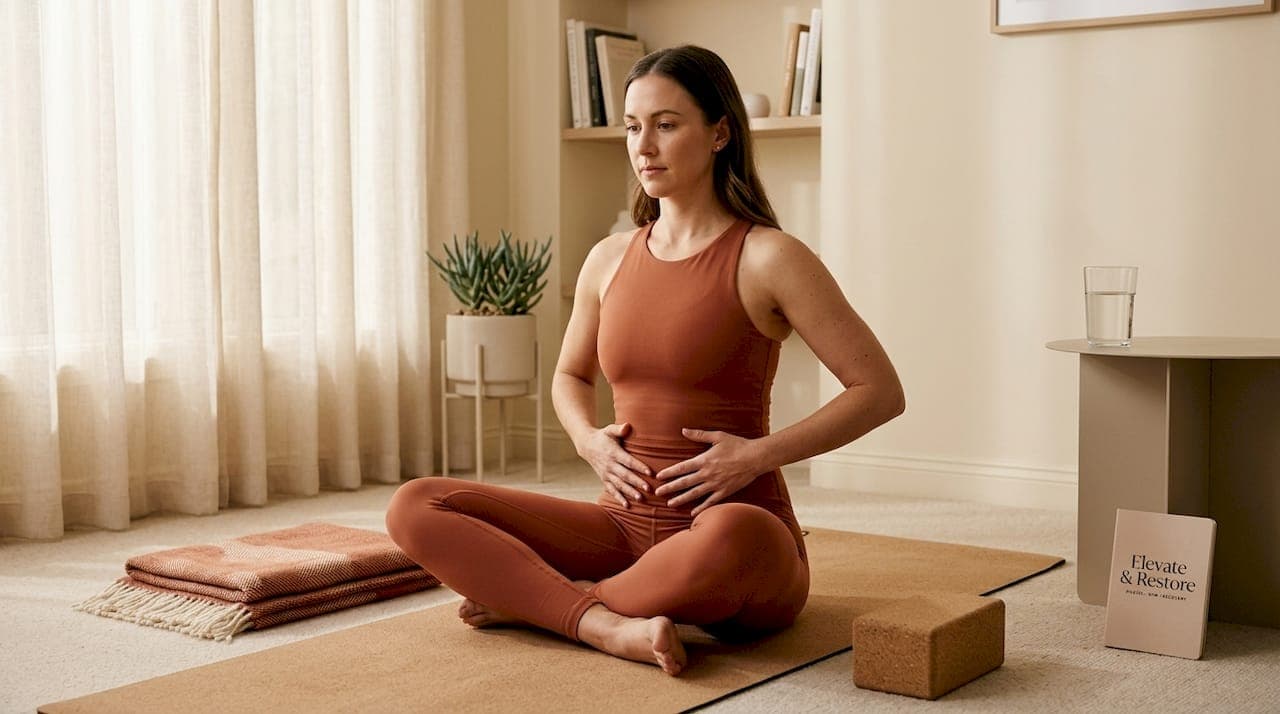
Pelvic floor training is a specialised exercise approach that retrains and strengthens the group of muscles sitting at the base of your pelvis to improve bladder control, bowel function, organ support, and sexual health. Unlike generic gym exercises, it is a clinician-guided method that goes well beyond simple squeeze-and-release moves. Continence Health Australia and pelvic floor physiotherapists recognise it as a first-line treatment for a wide range of pelvic health concerns. For women over 30, whether you are managing postpartum recovery, noticing early signs of leakage, or simply wanting to build a stronger foundation for fitness, understanding what this training actually involves is the first step toward doing something about it.
What are pelvic floor muscles and why do they matter?
The pelvic floor is a group of muscles, ligaments, and connective tissue that forms a hammock-like base across the bottom of your pelvis. These muscles attach from your pubic bone at the front to your tailbone at the back, and they work constantly, often without you noticing. Their primary jobs are to support the bladder, bowel, and uterus; control the opening and closing of the urethra and anus; and contribute to sexual sensation and function.
For women over 30, these muscles face specific pressures. Pregnancy stretches and loads the pelvic floor significantly, and vaginal birth can cause muscle tearing or nerve damage. Hormonal shifts during perimenopause and menopause reduce tissue elasticity, which weakens support structures over time. Even high-impact exercise, chronic constipation, or prolonged sitting can gradually affect how these muscles function.
The connection between pelvic floor strength and broader physical health is direct. A well-functioning pelvic floor contributes to core stability, posture, and load transfer through the hips and spine. When it is underperforming, the effects show up in ways that many women quietly accept as normal:
- Leaking urine when sneezing, coughing, or jumping
- A persistent urge to urinate that is difficult to defer
- A feeling of heaviness or pressure in the pelvis
- Reduced sensation or discomfort during sex
- Lower back or hip pain linked to poor core coordination
None of these are inevitable. They are signs of a pelvic floor that needs attention, and pelvic floor dysfunction responds well to targeted, supervised training.
What is pelvic floor training and how does it actually work?
Pelvic floor training is not simply doing Kegels. Kegel training, named after gynaecologist Arnold Kegel, refers to basic contraction exercises. Proper pelvic floor training is a broader, tailored rehabilitation approach that includes strength work, coordination training, relaxation techniques, breathing retraining, and movement integration, all matched to your specific muscle status.

The critical distinction that most women are never told is this: not every pelvic floor needs more strength. A pelvic floor can be weak and underactive, or it can be overactive and too tight. Overactive pelvic floor muscles require relaxation treatment, not strengthening. Symptoms of an overactive floor include urinary urgency, difficulty emptying the bladder fully, pelvic pain, and pain during sex. Prescribing more squeezes to someone with an already-tight pelvic floor will worsen those symptoms, not improve them.
A properly structured programme addresses whichever pattern is present. Tools used in clinical pelvic floor training include:
- Biofeedback devices that show real-time muscle activity so you can learn to contract and release correctly
- Manual therapy from a pelvic floor physiotherapist to release tension or restore tissue mobility
- Diaphragmatic breathing to coordinate the breath with pelvic floor movement, since the diaphragm and pelvic floor move together on every breath
- Movement retraining using exercises like hip bridges and modified planks to integrate pelvic floor function with the rest of your core
A 2026 randomised controlled trial published in the International Urogynecology Journal found that six weeks of intensive training produced significant improvements in urinary incontinence symptoms, and 43% of participants delayed planned surgery as a result. That is a meaningful outcome from a structured, supervised programme.
Pro Tip: If you have been doing pelvic floor exercises for months without improvement, the issue is likely technique or muscle type. A single assessment with a pelvic floor physiotherapist can identify whether you need strengthening or relaxation work, which changes everything.
How to do pelvic floor exercises correctly
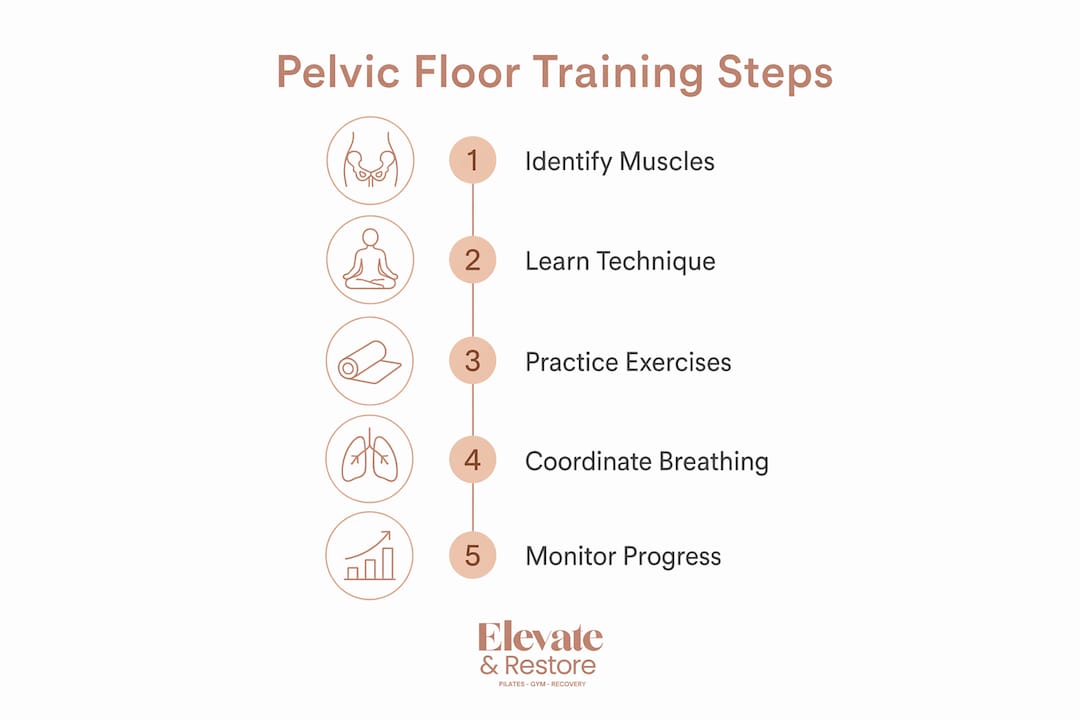
Correct technique is where most self-directed efforts fall short. Many women cannot perform a correct pelvic floor contraction without guided instruction and feedback, which means weeks of independent practice can reinforce the wrong pattern. Here is how to start correctly:
- Find the right muscles. Sit or lie comfortably. Imagine you are trying to stop the flow of urine and hold in wind at the same time. You should feel a gentle lifting and squeezing sensation around the urethra, vagina, and anus. Your buttocks, thighs, and abdomen should stay relaxed.
- Start with short holds. Squeeze and lift gently, hold for 3 seconds, then fully release. The release is as important as the contraction. Continence Health Australia recommends building from 3 to 8 second holds as strength improves.
- Add quick squeezes. After your endurance holds, practise fast contractions: squeeze firmly, release immediately, and repeat 8 to 10 times. These train the reflex response needed to prevent leakage during a sudden cough or sneeze.
- Repeat three times daily. Three sets per day is the standard recommendation. Consistency over weeks produces results; a single session does not.
- Breathe normally throughout. Holding your breath during contractions increases intra-abdominal pressure and undermines the exercise. Breathe out on the squeeze if you find it helpful.
- Seek verification if unsure. A pelvic floor physiotherapist can confirm you are contracting correctly, either through observation or gentle palpation. This step is particularly important postpartum.
Pro Tip: The most common error is gripping the glutes or bearing down instead of lifting up. If your hips shift or your lower back tightens during the exercise, you are using the wrong muscles. Slow down, reduce the effort, and focus on the internal lift.
Pairing pelvic floor work with breathing and core exercises like hip bridges and diaphragmatic breathing improves coordination across the whole system, which is why Pilates-based approaches work so well for pelvic health.
How does pelvic floor training support postpartum recovery?
Pregnancy places the pelvic floor under sustained load for nine months, and birth, whether vaginal or caesarean, disrupts the muscles, fascia, and nerves in different ways. Vaginal delivery can stretch the levator ani muscle group significantly. Caesarean birth, while it spares the pelvic floor from direct trauma, still involves nine months of pregnancy load plus abdominal surgery that affects core function.
Postpartum pelvic floor training is not about rushing back to exercise. It is about restoring the baseline function that makes safe return to activity possible. Key considerations for postpartum women include:
- Assessment before assumption. Many women assume their pelvic floor is weak after birth and begin aggressive strengthening. A specialist assessment first determines whether the floor is underactive, overactive, or has sustained structural changes that need a different approach.
- Correct contraction verification. The PelviTrust trial confirmed that specialist-verified contraction technique significantly improves training outcomes postpartum. Self-directed guesswork is a poor substitute.
- Gradual load progression. Returning to running, lifting, or high-impact classes before the pelvic floor can manage that load leads to symptoms like leaking or prolapse. A structured programme builds capacity progressively.
- Prolapse risk reduction. Consistent pelvic floor training after birth reduces the risk of pelvic organ prolapse, a condition where the bladder, uterus, or bowel descends into the vaginal canal due to inadequate support.
- Ongoing maintenance through menopause. Pelvic floor training is not a postpartum-only concern. Oestrogen decline during perimenopause and menopause reduces tissue tone, making continued training relevant for every decade of a woman's life.
For women who want to integrate pelvic floor work into a broader fitness routine, reformer Pilates offers a structured environment where breathing, core activation, and pelvic floor engagement are coached together in every session.
Key takeaways
Pelvic floor training is a supervised, tailored exercise method that addresses both weak and overactive muscles, and correct technique verified by a specialist produces the most reliable results.
| Point | Details |
|---|---|
| Training goes beyond Kegels | Pelvic floor training includes relaxation, breathing, and movement retraining, not just squeezes. |
| Overactive floors need relaxation | Strengthening a tight pelvic floor worsens symptoms; assessment determines the correct approach. |
| Technique must be verified | Many women contract incorrectly without knowing; specialist feedback improves outcomes significantly. |
| Postpartum assessment is critical | Birth changes the pelvic floor in varied ways; training should follow professional evaluation, not assumption. |
| Consistency drives results | Three sets daily, with full release between contractions, produces measurable improvement over weeks. |
Why tailored pelvic floor training changes everything
The most common thing I see at Elevateandrestore is women who have been doing pelvic floor exercises for months, sometimes years, with no real improvement. When we look closer, the issue is almost always one of two things: they are contracting the wrong muscles entirely, or they have an overactive floor that needs releasing, not squeezing harder.
The cultural narrative around pelvic floor health has been almost entirely focused on "do your Kegels." That advice is not wrong for everyone, but it is dangerously incomplete. I have worked with women who made their symptoms significantly worse by faithfully doing their daily squeezes, because nobody had assessed whether strengthening was actually what they needed.
What I find genuinely rewarding is watching someone go from managing leakage as a fact of life to running, jumping, and lifting without a second thought. That shift does not come from doing more exercises. It comes from doing the right exercises, with correct technique, in the right sequence, and with enough professional input to know you are on the right track. Pelvic floor health is not a niche concern. It sits at the centre of how women move, feel, and function across every decade of their lives. Talking about it openly, and getting proper support, is not a luxury. It is just good training.
— Elevate
Start your pelvic floor training at Elevateandrestore
If you are ready to move beyond guesswork and build a pelvic floor training practice that actually works, Elevateandrestore in West Footscray is built for exactly that. Our small-group reformer Pilates sessions, capped at six people, integrate core and pelvic floor work with professional coaching in every class. Our recovery lounge supports your body between sessions with sauna, cold plunge, hot tub, and compression boots, tools that reduce inflammation and support tissue recovery.
Whether you are postpartum, managing symptoms, or simply building long-term pelvic health, our boutique fitness classes give you the guided, personalised environment where real progress happens. Book a session and experience the difference that proper technique and expert support make.
FAQ
What is pelvic floor training?
Pelvic floor training is a specialised exercise method that retrains pelvic floor muscles through strength, coordination, and relaxation work tailored to individual muscle function. It is guided by clinical assessment and goes well beyond basic Kegel exercises.
What are the signs of a weak pelvic floor?
Common signs include leaking urine when coughing, sneezing, or exercising, a strong sudden urge to urinate, pelvic heaviness, and reduced sensation during sex. These symptoms indicate the pelvic floor is not generating adequate support or control.
Is pelvic floor training only for postpartum women?
No. Pelvic floor training benefits women at every life stage, including those managing age-related changes, perimenopausal symptoms, or fitness goals. Pregnancy and birth are significant triggers, but hormonal changes, high-impact sport, and chronic pelvic tension all warrant attention.
How long does it take to see results from pelvic floor exercises?
A structured six-week programme produces measurable symptom improvement for most women, provided technique is correct and exercises are performed consistently three times daily. Results vary depending on the severity of dysfunction and whether the approach is correctly matched to the muscle status.
Do I need a professional to start pelvic floor training?
A professional assessment is strongly recommended, particularly postpartum or if symptoms are present. Specialist-verified technique significantly improves outcomes because many women cannot identify or contract the correct muscles without guided feedback.