
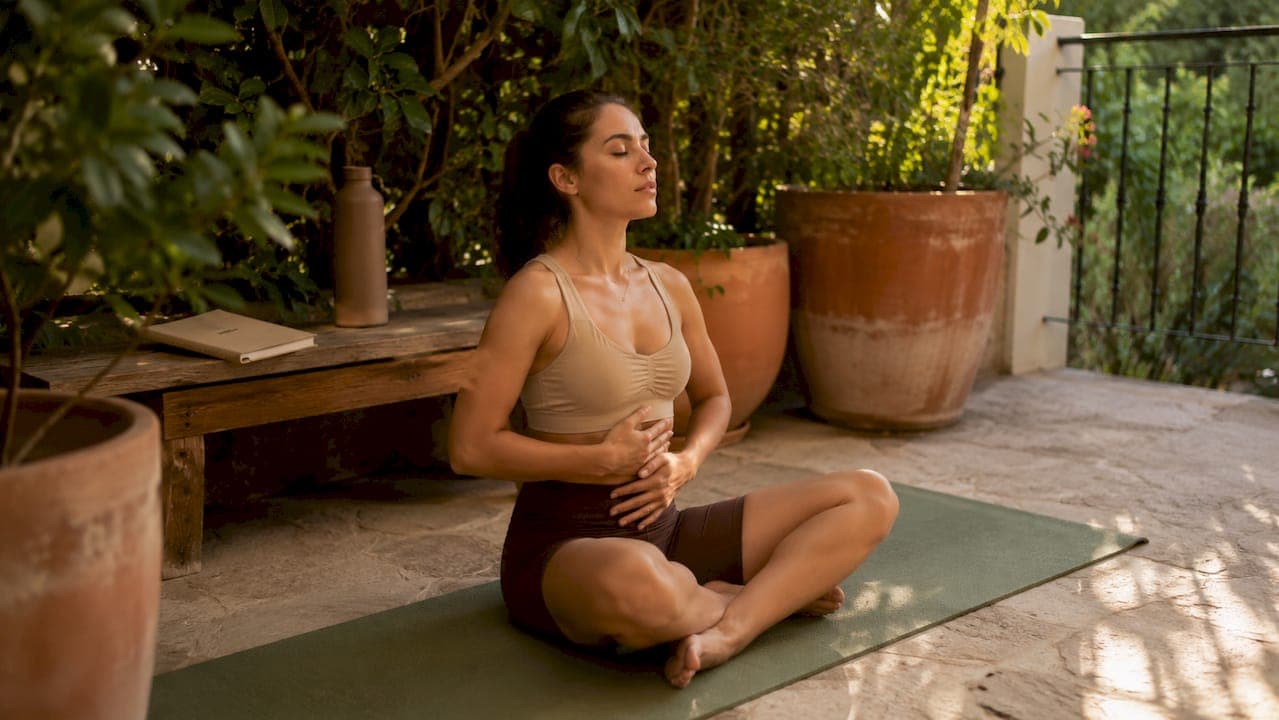
Lymphatic drainage fitness is the practice of using targeted exercise and breathing techniques to actively move lymph fluid through the body, supporting immune function, recovery, and tissue health. Unlike the cardiovascular system, the lymphatic system has no central pump. It depends entirely on muscle contractions, diaphragmatic breathing, and external pressure to keep fluid moving. This makes physical movement the single most important tool for lymphatic health, and understanding what is lymphatic drainage fitness gives you a direct, evidence-based way to support your body every day.
What is lymphatic drainage fitness and how does it work?
The lymphatic system is a network of vessels, nodes, and organs that manages fluid balance, immune surveillance, and fat-soluble vitamin absorption. When lymph flow slows, immunity and nutrient absorption can both suffer. That is why keeping the system active matters far beyond reducing puffiness.
The system's defining feature is its lack of a pump. The cardiovascular system has the heart. The lymphatic system has nothing equivalent. Lymph moves only when muscles contract, the diaphragm creates pressure changes, or external forces are applied. This means sitting still for long periods is one of the fastest ways to slow lymphatic function.
Muscle contractions in the calves, forearms, and abdomen act as the primary drivers of lymph propulsion. Each time you take a deep breath, the diaphragm drops and creates negative pressure in the chest cavity. That pressure draws lymph upward toward the thoracic duct, the body's main lymphatic collection point. Shallow breathing, by contrast, generates far less movement.
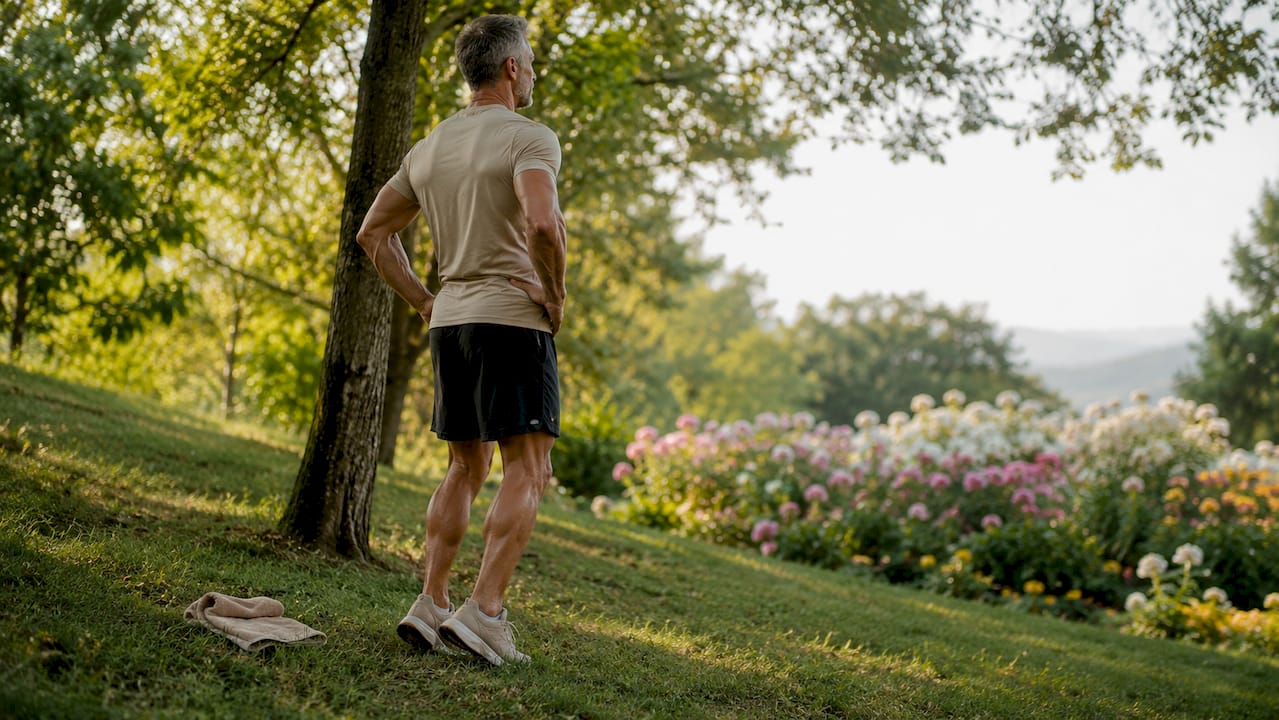
Active lymphatic balancing recruits breath, muscle contraction, and manual pressure simultaneously for effective fluid movement. Passive treatments such as light massage alone move significantly less fluid than active protocols that engage the whole body in real time. This distinction matters when you are choosing between a passive treatment and a movement-based session.
Lymphatic vessels also run within fascia, the connective tissue that wraps every muscle and organ. When fascia is restricted, lymph flow reduces. Releasing fascial tension through movement and stretching directly improves drainage, which is why Pilates and functional training are particularly well suited to lymphatic fitness.
Pro Tip: Breathe in for four counts and out for six during any lymphatic exercise. The longer exhale increases diaphragmatic pressure and drives more lymph toward the thoracic duct.
What exercises and techniques stimulate lymph flow?
Lymphatic fitness techniques do not require intense effort. Low-impact, rhythmic movements are the most effective because they create consistent muscle pumping without triggering the inflammatory response that heavy training can produce. The goal is steady, repeated contractions rather than maximal force.
The following exercises are the most evidence-supported for stimulating lymph flow:
- Calf raises. Stand with feet hip-width apart and rise onto your toes 20 times. The calf muscle is one of the body's most powerful lymphatic pumps. This exercise is effective even when done at a desk.
- Diaphragmatic breathing. Lie on your back, place one hand on your belly, and breathe so the belly rises first. Ten slow cycles create measurable pressure changes in the thoracic cavity.
- Shoulder rolls and arm circles. These activate the axillary lymph nodes in the armpits, which drain the arms, chest, and breast tissue. Particularly relevant for women over 30.
- Collarbone presses. Use two fingers to gently press and release just below the collarbone. This stimulates the subclavian lymph nodes, the final collection point before lymph re-enters the bloodstream.
- Abdominal engagement. Draw the navel toward the spine and release repeatedly. This activates the mesenteric lymph nodes in the gut, supporting both digestion and immune function.
- Low-impact cardio. Walking, cycling, and reformer Pilates all produce the rhythmic muscle contractions that propel lymph. Even a 10-minute walk produces a meaningful effect.
Two minutes of targeted exercise can produce measurable improvements in lymphatic drainage. Short daily sessions outperform sporadic longer ones because consistency is what keeps the system moving. You do not need a full workout to make a difference.
Breathing and movement work best when coordinated. Inhale as you prepare for a movement and exhale as you execute it. This synchronisation amplifies the pressure changes that drive lymph flow and is the core principle behind breathwork in Pilates.
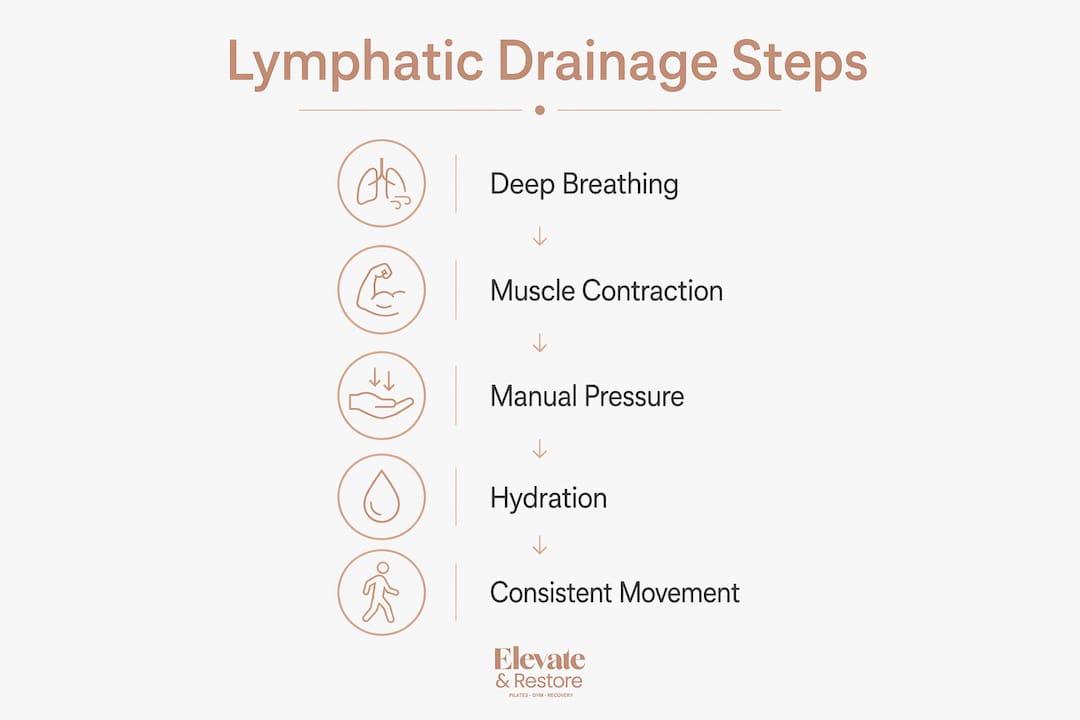
Pro Tip: Stack two minutes of calf raises and deep breathing into an existing habit, such as while waiting for your morning coffee. Consistency over two weeks produces noticeable changes in energy and morning puffiness.
What are the benefits and limitations of lymphatic drainage fitness?
The evidence for lymphatic fitness is strongest in clinical populations. For people with lymphedema, clinical manual lymphatic drainage combined with compression therapy, skin care, and tailored exercise produces significant therapeutic outcomes. That combination approach is the gold standard, not massage alone.
For healthy women over 30, the benefits are real but more modest. Regular movement supports faster post-exercise recovery by clearing metabolic waste from muscle tissue. It reduces the morning swelling that many women notice in their hands, ankles, and face. It also supports immune cell trafficking, the process by which white blood cells move through lymph nodes to identify and respond to threats.
The limitations are equally worth knowing. Manual lymphatic drainage offers limited lasting benefits for cosmetic detox in healthy individuals. The body's liver and kidneys handle detoxification. Lymphatic fitness supports the system that moves fluid and immune cells, not a separate detox pathway. Claims about dramatic fat loss or toxin removal from lymphatic massage are not supported by clinical evidence.
| Benefit | Evidence level |
|---|---|
| Reduced swelling and fluid retention | Strong, particularly post-exercise and post-surgery |
| Faster exercise recovery | Moderate, supported by movement physiology research |
| Immune cell trafficking support | Strong, core lymphatic function |
| Cosmetic detox in healthy adults | Weak, not supported by clinical trials |
| Long-term fat reduction | Not supported |
Individual variability is also real. Women with thyroid conditions, autoimmune disorders, or a history of cancer treatment should consult a health professional before starting any lymphatic fitness programme. The system is sensitive, and certain conditions require modified approaches.
Hydration and nutrition are essential complements to movement. Lymph is roughly 95% water. Dehydration thickens lymph fluid and slows flow regardless of how much you exercise. Aim for consistent water intake throughout the day rather than large amounts at once.
How to safely add lymphatic fitness to your routine
Starting gently is the right approach. Your body needs time to adapt to increased lymphatic activity, particularly if you have been sedentary or are recovering from illness or surgery.
- Begin with breathing. Spend two minutes on diaphragmatic breathing each morning before any movement. This primes the thoracic duct and prepares the system for the day.
- Add low-impact movement. Walking and low-impact exercise are the safest starting points. Aim for 20 minutes daily before adding specific lymphatic exercises.
- Stay hydrated. Drink water consistently across the day. Lymph flow depends on adequate fluid volume.
- Monitor your response. Mild fatigue after starting lymphatic fitness is normal. Significant swelling, pain, or discomfort is not. Stop and seek professional advice if those symptoms appear.
- Combine with recovery tools wisely. Compression boots, sauna sessions, and cold plunge therapy all support lymphatic function when used alongside movement. They are adjuncts, not replacements for exercise.
- Be consistent. Short, frequent movement produces more lymphatic benefit than occasional long sessions. Daily two-minute bursts beat a weekly hour-long massage.
Women over 30 who train regularly will find that recovery methods for strength training integrate naturally with lymphatic fitness. The two approaches share the same foundation: consistent movement, good breathing mechanics, and adequate recovery time.
Pro Tip: If you use compression boots after training, do five minutes of deep breathing while wearing them. The combined pressure and breath mechanics produce a stronger lymphatic response than compression alone.
Key takeaways
Lymphatic drainage fitness works because the lymphatic system has no pump of its own, and consistent movement, deep breathing, and muscle contractions are the only reliable ways to keep it functioning well.
| Point | Details |
|---|---|
| No pump means movement is non-negotiable | The lymphatic system relies entirely on muscle contractions and breathing to move fluid. |
| Two minutes is enough to start | Short, targeted exercise bouts produce measurable improvements in lymphatic flow. |
| Active beats passive | Combining breath and movement moves more lymph than passive massage alone. |
| Benefits are real but specific | Strong evidence supports recovery and immune function; cosmetic detox claims are not clinically supported. |
| Consistency drives results | Daily short sessions outperform sporadic longer treatments for sustained lymphatic health. |
What I have learned from watching women train their lymphatic system
Most people come to lymphatic fitness expecting a passive experience. They have heard about lymphatic massage and assume the goal is to lie still while someone else does the work. What surprises them is how much their own breath and movement matter.
The women I see at Elevateandrestore who get the most out of their recovery are the ones who treat lymphatic fitness as a practice, not a treatment. They breathe deliberately during Pilates. They do calf raises while waiting. They drink water before they feel thirsty. None of it is dramatic. All of it compounds.
The detox narrative frustrates me because it sets people up for disappointment. Your liver and kidneys handle detoxification. Your lymphatic system handles fluid balance, immune surveillance, and nutrient transport. When you support it with movement and breath, you feel the difference in your energy, your recovery speed, and the way your body handles inflammation. That is the real return.
The other misconception I see regularly is that more is better. Aggressive massage, daily sauna stacking, and high-volume compression sessions can actually overwhelm a system that is already under stress. Gentle, consistent, and well-timed beats intense and sporadic every time.
— Elevate
How Elevateandrestore supports your lymphatic health
Elevateandrestore is built around the exact principles that make lymphatic fitness work: controlled movement, deliberate breathing, and structured recovery.
The reformer Pilates classes at Elevateandrestore run in small groups of six, which means your breathing mechanics and movement quality get real attention. Every session incorporates the diaphragmatic breathing and rhythmic muscle engagement that directly stimulate lymph flow. After training, the recovery lounge offers compression boots, sauna, cold plunge, and hot tub access, all of which complement the lymphatic work done during class. This is what an integrated approach to lymphatic fitness looks like in practice.
FAQ
What is lymphatic drainage fitness?
Lymphatic drainage fitness is the use of targeted exercise and breathing techniques to actively stimulate lymph flow through the body. It supports immune function, fluid balance, and recovery by engaging the muscle contractions and diaphragmatic breathing the lymphatic system depends on.
How does the lymphatic system move fluid without a pump?
The lymphatic system relies on muscle contractions, deep breathing, and external pressure to propel lymph fluid through its vessels. Without regular movement, lymph flow slows and fluid can accumulate in tissues.
How long does a lymphatic fitness session need to be?
As little as two minutes of targeted movement can produce measurable improvements in lymphatic drainage. Short, frequent sessions are more effective than occasional longer ones.
Is lymphatic drainage fitness the same as lymphatic massage?
No. Lymphatic massage is a passive technique applied by a therapist. Lymphatic drainage fitness is an active practice where your own movement and breathing drive fluid flow. Active approaches move significantly more lymph than passive massage alone.
Who should avoid lymphatic drainage fitness without medical advice?
Women with lymphedema, active infections, blood clots, or a history of cancer treatment should consult a health professional before starting lymphatic fitness exercises. The system is sensitive to pressure and volume changes in these conditions.