

Recovery methods in strength training are evidence-based practices that enhance muscle repair, reduce fatigue, and promote adaptation after resistance workouts. For adults over 30, this matters more than most training programmes acknowledge. Your body manages layered recovery timelines across muscle protein synthesis (24 to 48 hours), nervous system restoration (24 to 72 hours), and connective tissue repair (48 to 96 hours). Treating all of these as one problem is the single biggest mistake lifters in this age group make. The strategies below address each layer with specificity, not guesswork.
1. Recovery methods for strength training: why sleep comes first
Sleep is the most productive recovery tool available, and no supplement or cold plunge replaces it. During slow-wave (deep) sleep, the pituitary gland releases the majority of daily human growth hormone (HGH), which drives muscle protein synthesis and tissue repair. REM sleep consolidates motor patterns and nervous system recovery, which directly affects how well you perform compound lifts in your next session.
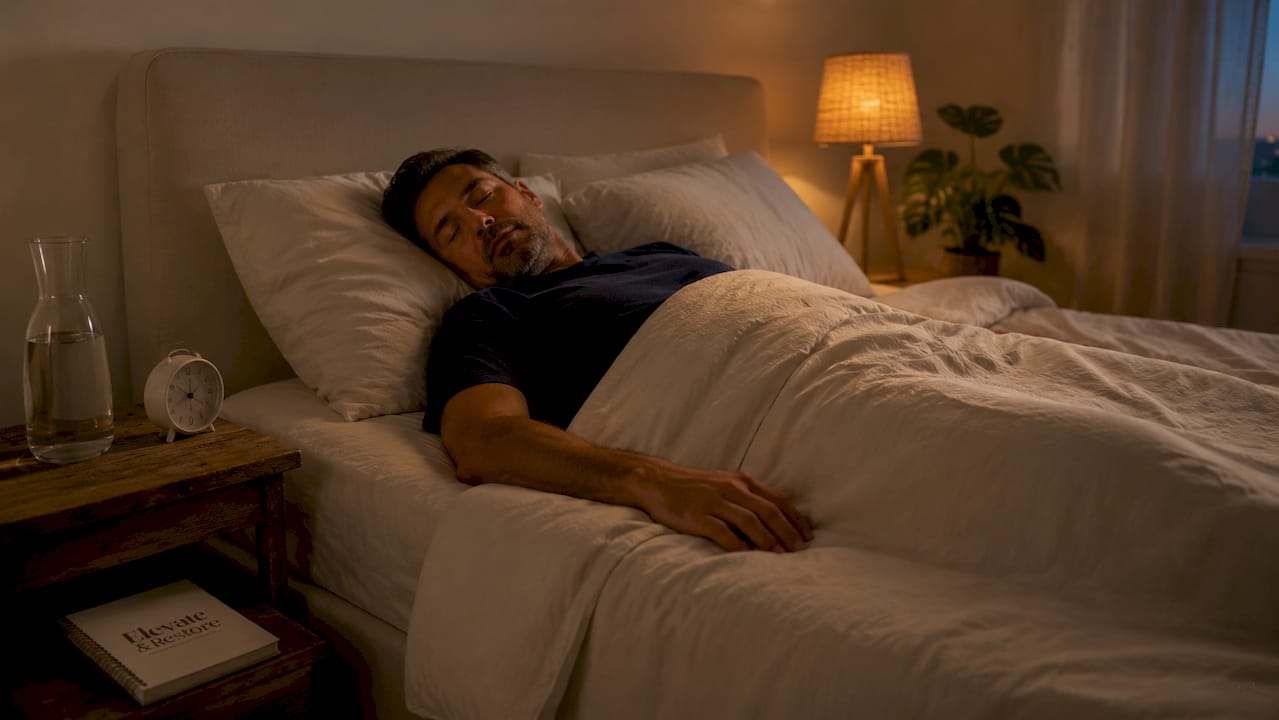
Restricted sleep reduces muscle protein synthesis by around 18% and impairs strength performance. That figure means a lifter sleeping six hours is running a structural deficit before they even touch a barbell. The target is 7 to 9 hours per night, with consistent wake and sleep times to anchor your circadian rhythm.
Practical steps to protect sleep quality:
- Avoid screens or use blue-light blocking glasses for at least one hour before bed, since blue-light exposure suppresses melatonin and delays sleep onset
- Keep your bedroom temperature between 18 and 20 degrees Celsius to support slow-wave sleep
- Avoid alcohol within three hours of sleep. It fragments sleep architecture and cuts deep sleep duration
- Avoid training within two hours of bed if it raises your core temperature significantly
Pro Tip: Consume 30 to 40 grams of casein protein before sleep. Pre-sleep casein increases overnight muscle protein synthesis without disrupting growth hormone release, making it one of the most cost-effective recovery upgrades available.
2. Deloading: the planned recovery method most lifters skip
A deload is a structured reduction in training volume or intensity, typically lasting one week, designed to clear accumulated neuromuscular and connective tissue fatigue. Most lifters over 30 either skip deloads entirely or wait until they feel broken. Both approaches cost strength gains.
The evidence on frequency is clear. Deloading every 4 weeks produces 12.4% higher one-rep max gains than deloading every six weeks, regardless of how much intensity is reduced. Frequency of planned recovery beats the depth of any single deload.
A standard deload protocol looks like this:
- Reduce total training volume by 30 to 50% (fewer sets, not fewer sessions)
- Maintain load intensity at 70 to 80% of your working weights
- Keep movement patterns identical to your normal training week
- Run the deload for five to seven days, then return to progressive loading
The smarter approach uses objective signals rather than a fixed calendar. Velocity-based training (VBT) monitoring detects a 6% velocity loss at a fixed load as a reliable deload trigger. Athletes using VBT-triggered deloads gained 8.7% more one-rep max than those on fixed four-week schedules. If you do not have access to VBT equipment, track jump height, grip strength, or bar speed subjectively across your warm-up sets.
3. Active recovery versus complete rest: how to choose
Active recovery is defined as low-stress movement that promotes circulation and mobility without adding meaningful fatigue to the system. Complete rest means no structured physical output. Both are legitimate post-workout recovery strategies. The problem is applying the wrong one.
Active recovery works best when your readiness is moderate and movement quality is intact. It includes walking, light yoga, breathing protocols, and low-load mobility work. These activities increase blood flow to recovering tissue, clear metabolic waste, and maintain movement quality without taxing the nervous system.
Full rest is the correct choice when:
- Soreness impairs your range of motion or gait
- Life stress (poor sleep, illness, high work load) has already taxed your recovery capacity
- You are in a deload week and want to minimise all additional stimulus
Pro Tip: Rate your movement quality on a simple 1 to 5 scale before choosing your recovery day activity. If you score below 3, rest. If you score 3 or above, 20 to 30 minutes of walking or functional mobility work will serve you better than lying on the couch.
The weekly structure most lifters over 30 benefit from includes two to three strength sessions, one active recovery day, and one full rest day. The remaining days are flexible based on readiness signals.
4. Cold therapies: when they help and when they hurt
Cold therapies are among the most misused muscle repair methods in recreational strength training. The category includes cold water immersion (CWI), whole-body cryotherapy (WBC), contrast water therapy, and local cold application. Each has a specific use case, and applying them at the wrong time actively reduces your strength adaptations.
| Method | Best timing | Primary benefit | Risk if misused |
|---|---|---|---|
| Cold water immersion (CWI) | Within 1 hour post-exercise | Acute pain relief, inflammation control | Blunts hypertrophy signals if used chronically |
| Whole-body cryotherapy (WBC) | 24 to 72 hours post-exercise | Inflammatory marker improvement, performance recovery | Minimal if timed correctly |
| Contrast water therapy | 1 to 24 hours post-exercise | Circulation, perceived recovery | Limited long-term strength data |
| Local cold (ice packs) | Immediately post-injury | Localised swelling control | Overuse delays tissue healing |
Passive recovery outperforms CWI for long-term strength gains in resistance-trained athletes. CWI applied within one hour post-exercise is effective for acute pain relief and inflammation control, but frequent or poorly timed use disrupts the anabolic signalling that drives hypertrophy. WBC delivers sustained benefits at 24 to 72 hours post-exercise, improving inflammatory marker profiles and performance recovery without the same adaptation-blunting risk.
The practical rule: use cold therapies to manage symptoms, not as a default post-training ritual. If your goal is maximum strength gain, prioritise passive recovery and reserve cold exposure for high-volume training blocks or competition periods.
5. Nutrition strategies that accelerate muscle repair
Nutrition is the substrate for every recovery process in the body. Without adequate protein, carbohydrates, and hydration, sleep quality and deloads cannot do their full job. For strength trainees over 30, the timing and composition of meals around training matters as much as total daily intake.
Key nutritional priorities for post-workout recovery:
- Protein timing: Consume 0.4 to 0.5 grams of protein per kilogram of bodyweight within two hours post-training. Distribute protein intake evenly across four to five meals rather than concentrating it in one or two sittings.
- Pre-sleep protein: 30 to 40 grams of casein protein before bed supports overnight muscle protein synthesis, as noted above.
- Carbohydrates: Glycogen replenishment after strength training is less urgent than after endurance work, but adequate carbohydrate intake across the day supports sleep quality and reduces cortisol. Aim for a moderate-carbohydrate meal two to three hours before bed.
- Hydration: Cellular repair depends on adequate hydration, but consuming large volumes of fluid within 90 minutes of sleep disrupts sleep continuity. Front-load your fluid intake earlier in the day.
- Supplements with genuine evidence: Creatine monohydrate supports phosphocreatine resynthesis and reduces muscle damage markers. Magnesium glycinate improves sleep quality and reduces muscle cramping. Glycine (3 to 5 grams before bed) supports connective tissue repair and improves slow-wave sleep depth.
Avoid heavy, high-fat meals within two hours of sleep. Fat slows gastric emptying and raises core temperature slightly, both of which interfere with sleep architecture and the recovery processes that depend on it.
6. Soft tissue work and compression therapy
Soft tissue therapies, including foam rolling, massage, and pneumatic compression (compression boots), address the mechanical side of recovery that sleep and nutrition cannot fully reach. For adults over 30, connective tissue recovery takes 48 to 96 hours after heavy sessions. Ignoring this timeline is a direct path to overuse injury.
Foam rolling and self-myofascial release reduce perceived soreness and improve range of motion when applied for 60 to 90 seconds per muscle group. The mechanism is primarily neurological rather than structural. It reduces muscle tone and improves tissue extensibility without damaging the muscle further.
Pneumatic compression boots apply sequential pressure to the lower limbs, accelerating venous return and lymphatic drainage. The practical benefit is reduced swelling and faster clearance of metabolic waste after leg-dominant sessions. At Elevateandrestore, compression boots are part of the recovery lounge and are used most effectively in the 30 to 90 minutes following a training session.
Sauna and hot tub exposure in the recovery hub serve a complementary role. Heat increases blood flow to recovering tissue, reduces muscle stiffness, and supports parasympathetic nervous system activation, which is the physiological state required for effective recovery.
Key takeaways
Effective strength training recovery after 30 requires targeting muscle, nervous system, and connective tissue through sleep, deloading, nutrition, and strategically timed therapies rather than relying on any single method.
| Point | Details |
|---|---|
| Sleep is non-negotiable | Restricted sleep cuts muscle protein synthesis by 18%. Prioritise 7 to 9 hours before any other recovery tool. |
| Deload every 4 weeks | Frequent short deloads produce 12.4% higher strength gains than longer, less frequent ones. |
| Match recovery type to readiness | Use active recovery when movement quality is intact. Choose full rest when soreness or life stress impairs it. |
| Time cold therapies carefully | CWI within 1 hour post-exercise manages acute pain. Passive recovery is superior for long-term strength adaptation. |
| Nutrition underpins everything | Pre-sleep casein, distributed protein, and adequate carbohydrates support overnight repair and sleep quality. |
What I have learned coaching strength training recovery after 30
The most common mistake I see in lifters over 30 is treating recovery as a single problem with a single solution. Someone buys a cold plunge, uses it every day after training, and wonders why their strength has stalled at the six-month mark. The answer is almost always that they have been blunting their own adaptation signals with poorly timed cold exposure while under-sleeping and skipping deloads.
Recovery is layered. Your muscles, nervous system, and connective tissue each run on different timelines and respond to different inputs. Feeling fine the day after a heavy squat session does not mean your connective tissue has recovered. Relying solely on how you feel leads to overtraining and stalled progress, which is exactly what functional strength training after 30 is designed to avoid.
The other pattern I see is people chasing the newest recovery gadget while their sleep is inconsistent and their nutrition is poor. Sleep and protein timing will outperform any device on the market. Get those right first, then layer in cold therapy, compression, and heat work as targeted tools for specific problems.
What actually works is monitoring your own performance signals, scheduling deloads before you need them, and treating your recovery days with the same intentionality as your training days. That is not a complicated system. It is just a disciplined one.
— Elevate
How Elevateandrestore supports your recovery in Melbourne
If you are serious about strength training recovery and want access to evidence-based tools in one place, Elevateandrestore's recovery lounge in Melbourne brings together cold plunge, sauna, hot tub, and compression boots under one roof. The facility is designed specifically for adults who train hard and want to recover smarter, not just harder.
Small group sessions at the West Footscray gym keep training loads manageable and technique precise, which reduces the recovery debt that comes from high-volume, unsupervised training. Paired with the recovery lounge, it is a practical system for lifters over 30 who want consistent progress without the accumulated wear that derails most training programmes.
FAQ
How many rest days do strength trainers over 30 need?
Most adults over 30 benefit from two to three rest or active recovery days per week, given that connective tissue recovery takes 48 to 96 hours after heavy sessions. The exact number depends on training volume, sleep quality, and life stress.
Does cold water immersion help with strength training recovery?
CWI is effective for acute pain relief when applied within one hour post-exercise, but passive recovery outperforms it for long-term strength gains. Use cold water immersion strategically during high-volume blocks, not as a daily default.
How often should I deload if I am over 30?
Deloading every four weeks produces significantly better strength outcomes than waiting six weeks. A standard deload reduces volume by 30 to 50% for five to seven days while maintaining training intensity.
What is the best protein strategy for overnight recovery?
Consuming 30 to 40 grams of casein protein before sleep increases overnight muscle protein synthesis without disrupting growth hormone release. This is one of the most evidence-backed nutrition strategies for strength training recovery.
Is active recovery better than full rest after a hard session?
Active recovery is the better choice when movement quality is intact and fatigue is moderate. Full rest is more appropriate when soreness limits range of motion or when life stress has already reduced your recovery capacity.