
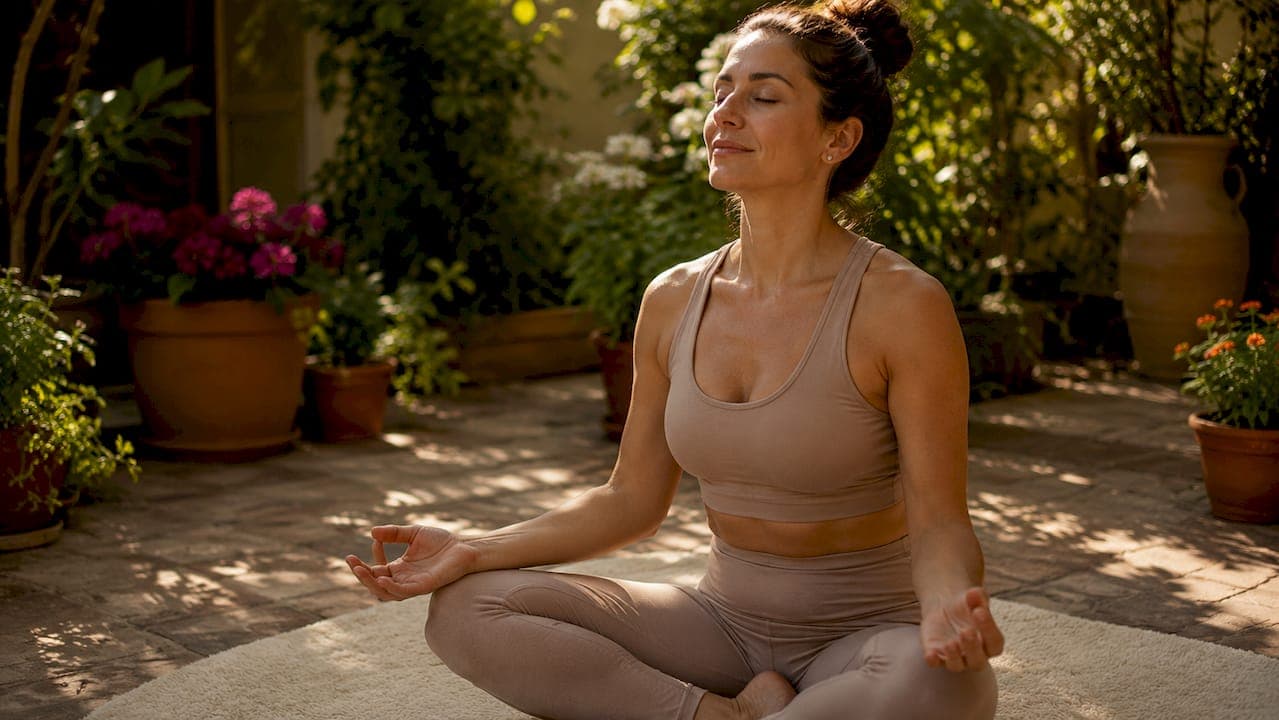
Breathwork fitness classes are structured breathing practices that target the autonomic nervous system to shift your mental and physical state on demand. Methods like box breathing, the Wim Hof Method, and pranayama each produce distinct physiological effects, which is why the types of breathwork fitness classes you choose matter as much as showing up consistently. For adults over 30 managing stress, sleep issues, or low energy, the right class format can produce results that no supplement or passive recovery tool can replicate. The industry term for this field is "breathwork," and within fitness settings it spans everything from five-minute daily resets to ninety-minute guided group sessions.
What are the most popular types of breathwork fitness classes?
No universal technique fits all goals. The right breathwork session type depends on whether you need to calm down, fire up, or process something deeper. The eight methods below cover the full range of breathwork fitness techniques available in group and studio settings.
1. Box breathing
Box breathing is the most widely taught breath control exercise in fitness and performance settings. You inhale for four counts, hold for four, exhale for four, and hold again for four. Box breathing manages acute stress and chronic pain, making it a reliable tool before a hard workout, a difficult meeting, or a poor night's sleep. It is one of the safest techniques for self-practice and suits complete beginners.
2. Coherent breathing
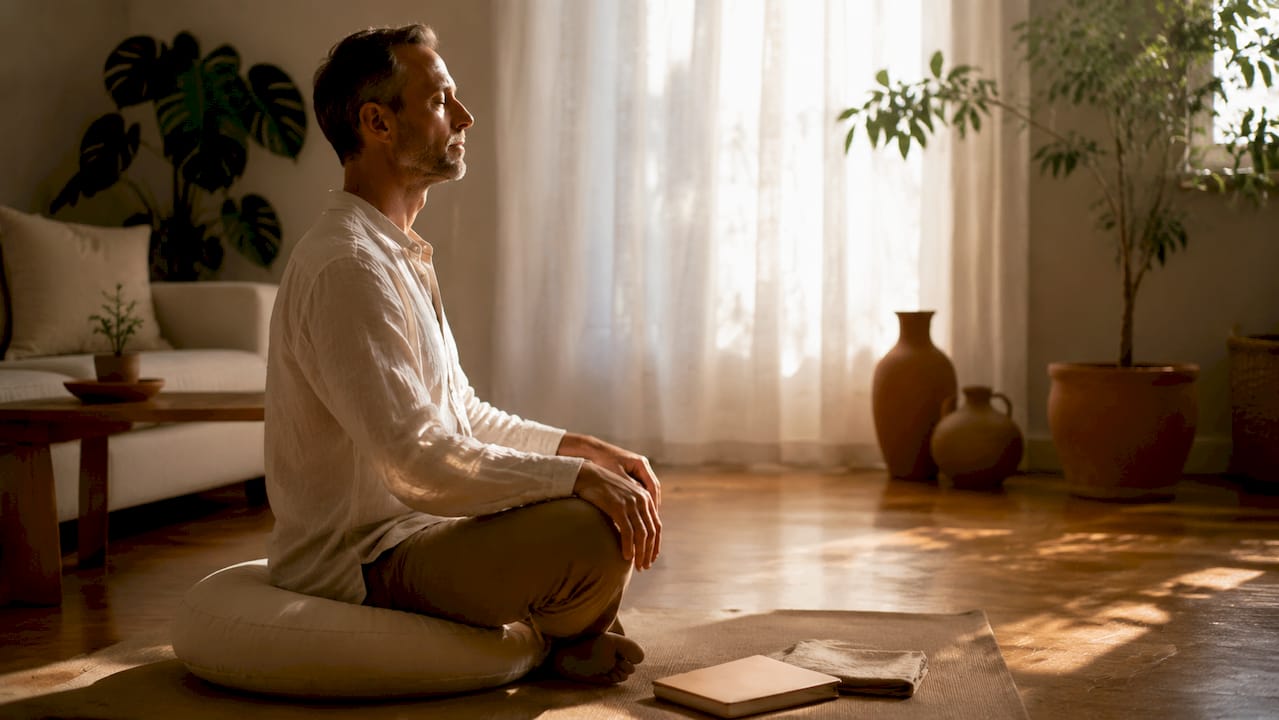
Coherent breathing targets heart rate variability by slowing the breath to 5.5 breaths per minute, which improves HRV and reduces anxiety over weeks of consistent practice. That number matters because HRV is one of the most reliable physiological markers of stress resilience and recovery capacity. Coherent breathing classes are typically quiet, low-intensity sessions lasting 20–30 minutes. They suit adults who want long-term anxiety reduction without any intensity or physical exertion.
3. 4-7-8 breathing
The 4-7-8 technique involves inhaling for four counts, holding for seven, and exhaling slowly for eight. The extended exhale activates the parasympathetic nervous system, which is the branch responsible for rest and digestion. This method is best used in evening breathwork classes or as a wind-down practice after training. It is not suitable before exercise because it suppresses alertness rather than building it.
Pro Tip: Avoid 4-7-8 breathing before a morning workout. Save it for post-training recovery or a pre-sleep routine to get the most from its calming effect.
4. Wim Hof Method
The Wim Hof Method combines rapid, deep breathing cycles with breath retention and cold exposure. It stimulates the sympathetic nervous system, producing a strong surge of energy and alertness. This makes it one of the most effective fitness breathwork techniques for morning sessions or pre-training activation. Sympathetic-stimulating breathwork like Wim Hof is not suitable before sleep; evening classes should prioritise parasympathetic techniques instead. Wim Hof classes are widely available in group settings and pair naturally with cold plunge protocols.
5. Holotropic breathwork
Holotropic breathwork is an advanced breathwork workshop developed by psychiatrist Stanislav Grof. It uses accelerated breathing sustained over an extended period to produce altered states of consciousness and emotional release. Holotropic sessions require a qualified facilitator and a structured integration phase to prevent emotional instability. This is not a beginner breathwork class. It suits adults who have already built a foundation with gentler methods and want to work through deeper emotional material in a safe container.
6. Pranayama
Pranayama is the breath regulation system within yoga, and it encompasses dozens of distinct techniques. Common styles taught in fitness classes include Nadi Shodhana (alternate nostril breathing) for balance and focus, Kapalabhati (breath of fire) for energy and heat, and Ujjayi (ocean breath) for movement synchronisation in Pilates and yoga. Breathwork integrates directly into Pilates practice, making pranayama one of the most accessible entry points for adults already attending movement classes. Pranayama classes range from deeply calming to highly activating depending on the technique selected.
7. Buteyko breathing
Buteyko breathing is a guided breathwork practice developed by Ukrainian physician Konstantin Buteyko. It focuses on nasal breathing and reduced breathing volume to improve respiratory efficiency and reduce over-breathing patterns. Buteyko is particularly effective for adults with asthma, anxiety, or chronic mouth-breathing habits. Classes are typically low-intensity and educational, with a strong emphasis on technique over experience. Long-term practitioners report significant improvements in sleep quality and exercise tolerance.
8. Cyclic sighing and physiological sigh
The physiological sigh is a double inhale through the nose followed by a long, slow exhale through the mouth. Cyclic sighing outperforms mindfulness meditation for mood improvement after just five minutes of daily practice. That finding positions it as the most time-efficient breathwork technique available for stress relief. It requires no instruction beyond the basic pattern and can be practised anywhere, making it ideal as a daily maintenance tool between formal classes.
How do breathwork fitness sessions work in practice?
A typical guided breathwork session lasts 60–90 minutes, with 20–45 minutes of active breathing followed by a downshift phase for nervous system recovery. That downshift phase is not optional padding. It is where the physiological and emotional shifts from the active breathing phase are processed and integrated. Skipping it is one of the most common mistakes in self-led practice.
Daily maintenance sessions look very different. Short practices of 5–20 minutes using slow, regulated techniques like box breathing or coherent breathing are the backbone of an effective breathwork routine. Daily short sessions compound their effect over time, making breathwork a practical tool for ongoing stress and anxiety management rather than a one-off intervention.
Group breathwork classes add a layer of accountability and shared energy that self-led practice cannot replicate. Group fitness increases accountability in ways that directly support consistency, which is the single biggest predictor of breathwork results. Small group formats, like those at Elevateandrestore with a maximum of six participants, allow instructors to monitor individual responses and adjust intensity in real time.
Which breathwork class suits your specific goal?
Breathwork manipulates the autonomic nervous system to shift between sympathetic and parasympathetic states. Matching the technique to your goal is the difference between a session that works and one that leaves you wired when you wanted calm, or drowsy when you needed energy.
| Goal | Best class type | Format |
|---|---|---|
| Immediate stress relief | Box breathing, physiological sigh | Short daily practice, 5–10 mins |
| Energy and pre-training activation | Wim Hof Method, Kapalabhati | Morning group class, 30–45 mins |
| Long-term anxiety and HRV improvement | Coherent breathing, Buteyko | Weekly guided class, 20–30 mins |
| Sleep and evening recovery | 4-7-8 breathing, Nadi Shodhana | Evening session, 15–20 mins |
| Deep emotional processing | Holotropic, transformational breathwork | Facilitated workshop, 90+ mins |
Pro Tip: Combine a morning Wim Hof or Kapalabhati session with an evening 4-7-8 or coherent breathing practice. The contrast trains your nervous system to shift states more efficiently over time.
Adults over 30 exploring mindful movement classes often find that breathwork accelerates the mental health benefits they are already getting from Pilates or yoga. The two practices reinforce each other at the nervous system level.
What beginners over 30 need to know before their first class
Starting with gentle, slow-paced techniques is the safest and most effective approach for breathwork beginners. Jumping straight into Holotropic or extended Wim Hof sessions without a foundation is the most common mistake adults make when they first explore breathwork.
Slow breathing techniques like box breathing and coherent breathing are safe for self-practice. Intense techniques demand professional supervision. That distinction is the most important safety rule in breathwork.
Key guidelines for beginners:
- Start with box breathing or cyclic sighing for the first two to four weeks before progressing to more activating techniques.
- Practise in a seated or lying position until you understand how your body responds to breath manipulation.
- Stop immediately if you feel chest tightness, numbness in the hands, or significant dizziness. These are signs of over-breathing, not progress.
- Long breathwork sessions without supervision risk emotional overwhelm. Stay within 30 minutes of active breathing until you have a qualified instructor present.
- Attend at least four to six guided classes before attempting self-led sessions beyond 15 minutes.
- Consistency in modest daily breathwork practice of 10–20 minutes yields more significant long-term mental well-being benefits than intense, occasional sessions.
Qualified instructors are not a luxury for advanced practitioners. They are a safety requirement for any session that moves beyond slow, regulated breathing. When evaluating a class, ask whether the instructor holds a recognised breathwork facilitation certification and whether the session includes a structured integration phase.
Key takeaways
Breathwork fitness classes produce lasting results when you match the technique to your goal and practise consistently rather than intensely.
| Point | Details |
|---|---|
| Match technique to goal | Calming methods suit stress and sleep; activating methods suit energy and training. |
| Session structure matters | Active breathing should always be followed by a downshift or integration phase. |
| Daily short practice wins | Ten to twenty minutes daily outperforms occasional intense sessions for mental well-being. |
| Beginners need supervision | Intense techniques like Holotropic breathwork require a qualified facilitator to be safe. |
| Consistency drives results | Four to six guided classes build the foundation needed for effective self-led practice. |
What I have learned from watching people breathe their way to better health
The most common mistake I see adults over 30 make with breathwork is treating it like a fitness class they can push through. Breathwork is not about effort. It is about precision and patience.
The adults who get the most out of breathwork at Elevateandrestore are not the ones who sign up for the most intense workshop first. They are the ones who show up twice a week for a month with box breathing or coherent breathing, notice the shift in their sleep and stress levels, and then ask what comes next. That progression is not timid. It is exactly how the nervous system adapts.
The science backs this up. Daily modest practice provides more sustainable mental health benefits than sporadic intense sessions. But the lived experience is even clearer. People who build a quiet, consistent breathwork habit report changes in their anxiety, focus, and sleep within two to three weeks. People who attend one intense workshop and nothing else rarely notice lasting change.
My honest recommendation for anyone over 30 starting out: pair breathwork with whatever physical practice you already enjoy. If you do Pilates, the breath cues are already there. If you train in the gym, a five-minute box breathing reset before your session will improve your focus and reduce cortisol before you lift a single weight. Breathwork does not need to be its own separate category. It works best when it is woven into what you are already doing.
— Elevate
Breathwork and recovery at Elevateandrestore in Melbourne
Elevateandrestore is a boutique functional training and Pilates studio in West Footscray, Melbourne, with a maximum of six people per class. That small group format means instructors can observe your breathing patterns and adjust cues in real time, which makes a genuine difference when you are learning breath control exercises for the first time.
The studio's recovery hub includes a sauna, cold plunge, hot tub, and compression boots, all of which pair directly with breathwork protocols. Wim Hof-style breathing before a cold plunge, or coherent breathing after a Pilates session in the recovery lounge, produces a compounding effect on nervous system recovery. If you are ready to add breathwork to your fitness routine, the Pilates and breathwork classes at Elevateandrestore are a practical starting point built around exactly this kind of integration.
FAQ
What is breathwork fitness?
Breathwork fitness is the use of structured breathing techniques within a fitness or wellness class to improve mental health, physical performance, and stress resilience. Methods range from simple daily practices like box breathing to advanced facilitated sessions like Holotropic breathwork.
How long does a breathwork session last?
A typical guided breathwork session lasts 60–90 minutes, with 20–45 minutes of active breathing and a downshift phase for recovery. Daily maintenance practices run 5–20 minutes.
Are breathwork classes safe for beginners over 30?
Slow, regulated techniques like box breathing and coherent breathing are safe for self-practice from day one. Intense techniques like Holotropic breathwork require a qualified facilitator and are not suitable for beginners.
How often should I attend breathwork classes?
Daily short sessions of 10–20 minutes produce more significant long-term benefits than occasional intense sessions. Two to three guided classes per week is a practical starting point for adults new to breathwork.
Can breathwork help with anxiety and sleep?
Coherent breathing at 5.5 breaths per minute improves heart rate variability and reduces anxiety over weeks of consistent practice. The 4-7-8 technique and Nadi Shodhana are the most effective breathwork methods for improving sleep quality.