
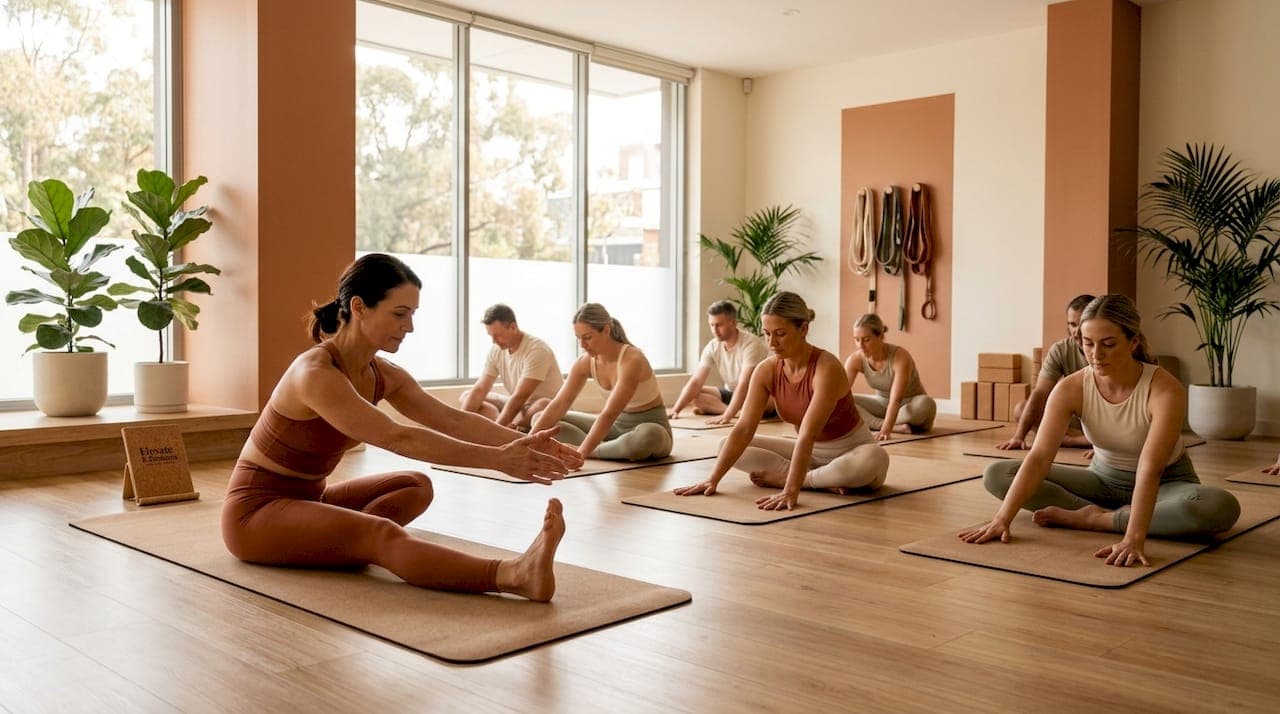
Mindful movement is defined as any movement practice performed with deliberate attention to bodily sensations, breath, and alignment, rather than performance outcomes alone. The types of mindful movement classes available today span yoga, tai chi, qigong, Feldenkrais, walking meditation, and intuitive dance, each offering a distinct pathway to stress reduction and physical well-being. For adults over 30, these practices are particularly relevant because the nervous system responds to focused, attentive movement in ways that generic exercise rarely achieves. Platforms like Mindbody, ClassPass, and local community centres now list dozens of these class formats, making access easier than ever.
1. What are the main types of mindful movement classes?
Mindful movement is defined by the quality of attention brought to the body and breath, not by the style or speed of the movement itself. This distinction matters enormously when you are choosing a class. Two people doing identical stretches can have completely different experiences depending on whether they are tracking breath, foot pressure, and micro-adjustments or simply going through the motions.
The major class types each cultivate that attention differently:
- Yoga (Hatha, Yin, Restorative, Vinyasa, Kundalini): Yoga styles vary widely from gentle floor-based holds to dynamic flowing sequences. Yin and Restorative yoga are the most commonly recommended for stress relief, with class lengths typically running 60 to 90 minutes. Kundalini incorporates breathwork and chanting, making it particularly effective for nervous system regulation.
- Tai chi: A low-impact moving meditation focusing on breath, mind, and body coordination. Classes often run one hour weekly and can be adapted for seated practice, making tai chi one of the most accessible options for adults managing joint concerns or balance issues.
- Qigong: A gentle meditative practice emphasising energy flow and breath-led movement. Qigong is often presented in beginner-friendly formats, including short home-practice sessions, which suits adults who want to start without committing to a full studio programme.
- Feldenkrais and somatic education: Feldenkrais classes are floor-based and verbally guided, focusing on efficient movement patterns without forcing range of motion. Typical programmes run in 10-week series. The practice rewards patience because the shifts feel subtle at first, then suddenly profound.
- Walking meditation: Deliberate walking with full attention to foot contact, breath, and body sensation. No equipment, no studio, and no experience required. This is the entry point many adults over 30 use before committing to a structured class.
- Mindful dance and intuitive movement: Free-form movement guided by internal sensation and rhythm rather than choreography. Classes like Nia and 5Rhythms fall into this category and are particularly effective for adults who find stillness difficult.
Pro Tip: When trialling a new class, listen for how often the instructor uses attention cues such as "notice the weight in your heels" or "track your breath as you move." Classes that consistently use these cues train interoception far more effectively than those that simply demonstrate poses.
2. How mindful movement classes reduce stress and support physical well-being
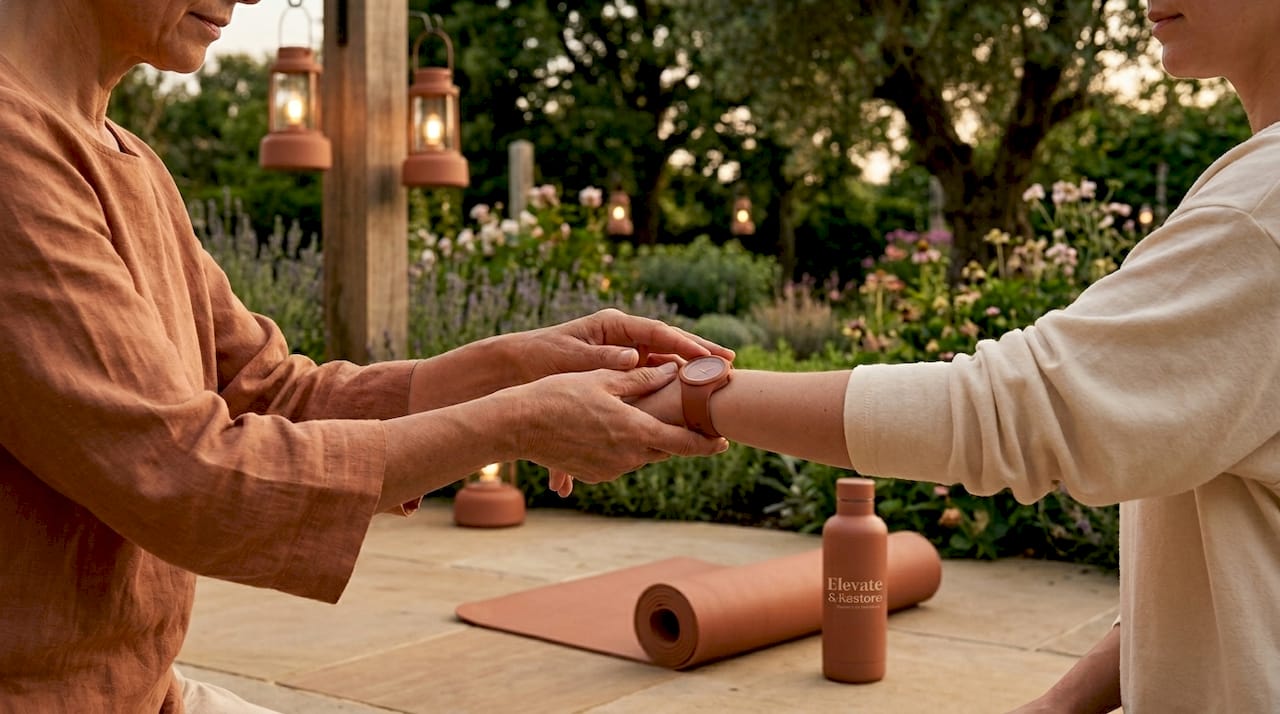
The physiological case for mindful movement is well established. A 2026 meta-analysis of 15 randomised controlled trials involving 1,351 participants found that qigong and tai chi significantly reduce anxiety and depressive symptoms. The optimal dose was 31 to 60 minute sessions, three times per week, over 9 to 12 weeks. This tells you that consistency and session length matter more than which specific modality you choose.
The mechanism is nervous system regulation. When you bring deliberate attention to breath and bodily sensation during movement, you activate the parasympathetic nervous system, the branch responsible for rest and recovery. This is why a 45-minute Yin yoga class can leave you feeling more restored than an hour of passive sitting. The attention itself is doing physiological work.
Physical benefits accumulate alongside the mental ones. Regular tai chi practice improves balance and reduces fall risk, which becomes increasingly relevant after 30. Qigong supports joint mobility without loading the joints aggressively. Restorative yoga and Feldenkrais both address the chronic muscular tension that accumulates from desk-based work and sedentary habits. For a deeper look at how fitness affects stress, the relationship between movement quality and mental health is consistent across modalities.
"Matching the dose of mindful movement practice matters more than chasing a specific modality for stress and mood benefits." — 2026 meta-analysis, PeerJ
| Modality | Primary benefit | Recommended dose |
|---|---|---|
| Qigong | Anxiety and depression reduction | 3x weekly, 31 to 60 minutes, 9 to 12 weeks |
| Tai chi | Balance, fall prevention, mood | 1 to 3x weekly, 60 minutes |
| Yin yoga | Stress relief, joint mobility | 2 to 3x weekly, 60 to 90 minutes |
| Feldenkrais | Movement efficiency, body awareness | Weekly series over 10 weeks |
| Walking meditation | Accessible stress reduction | Daily, 15 to 30 minutes |
3. How to choose the right mindful movement class for your needs
Choosing a class starts with honest self-assessment, not with what sounds most appealing online. The most important variable is intensity preference. Gentle practices like Yin yoga, Restorative yoga, Feldenkrais, and qigong suit adults managing chronic pain, fatigue, or high stress loads. Dynamic options like Vinyasa yoga or 5Rhythms dance suit those who find stillness frustrating and need movement to settle the mind.
Consider these steps when selecting your class:
- Identify your primary goal. Stress reduction points toward Yin yoga, qigong, or tai chi. Balance and fall prevention points toward tai chi. Body awareness and movement efficiency points toward Feldenkrais. Mood and energy points toward Vinyasa or mindful dance.
- Check the instructor's cueing style. Quality mindful movement instruction includes structured attention cues such as breath sensations and micro-adjustments. Generic slow movement without these cues is not the same thing.
- Start with beginner or foundational classes. Adaptive yoga programmes and beginner qigong courses allow you to build body awareness before progressing. Jumping into an advanced Vinyasa class without foundation often leads to injury or discouragement.
- Match frequency to your actual schedule. A class you attend twice a week consistently outperforms a class you attend once a fortnight. Realistic scheduling is the most underrated factor in getting results.
- Trial at least three sessions before deciding. First sessions are often disorienting. The body needs time to learn the attention cues and settle into the format.
If you are comparing Pilates and yoga specifically, the Pilates vs yoga comparison for adults over 30 is worth reading before committing to either.
Pro Tip: Small group classes of six or fewer participants give instructors the capacity to offer individual attention cues, which accelerates your interoception training significantly compared to large group formats.
4. Comparison of popular mindful movement class styles
Choosing between modalities is easier when you can see the key attributes side by side. The table below summarises the most relevant features for adults over 30 exploring their options.
| Class style | Intensity | Typical duration | Accessibility | Best for |
|---|---|---|---|---|
| Yin yoga | Low | 60 to 90 minutes | High, floor-based | Stress relief, joint mobility |
| Restorative yoga | Very low | 60 to 75 minutes | Very high, props used | Deep rest, nervous system reset |
| Hatha yoga | Low to moderate | 60 minutes | High | General flexibility and mindfulness |
| Vinyasa yoga | Moderate to high | 60 to 75 minutes | Moderate | Mood, energy, dynamic mindfulness |
| Tai chi | Low | 60 minutes | Very high, seated options | Balance, fall prevention |
| Qigong | Very low | 30 to 60 minutes | Very high | Anxiety, depression, energy |
| Feldenkrais | Very low | 45 to 60 minutes | Very high | Movement efficiency, chronic pain |
| Walking meditation | None | 15 to 30 minutes | Universal | Entry-level, daily practice |
| Mindful dance | Low to moderate | 60 to 90 minutes | Moderate | Mood, emotional release |
Settings vary considerably. Yoga and Pilates are most commonly offered in dedicated studios. Tai chi and qigong appear frequently at community centres, parks, and recreation facilities, often at lower cost. Feldenkrais is typically taught in series format through specialist practitioners. Walking meditation requires no setting at all. For a broader overview of what wellness studio services typically include, the range extends well beyond these movement classes into complementary recovery modalities.
Key takeaways
The most effective mindful movement class for adults over 30 is the one that consistently trains deliberate attention to breath and bodily sensation, practised at least three times per week for 30 to 60 minutes over a sustained period.
| Point | Details |
|---|---|
| Attention quality defines the practice | Classes with structured breath and sensation cues deliver more benefit than generic slow movement. |
| Dose matters more than modality | Three sessions per week of 31 to 60 minutes over 9 to 12 weeks produces the strongest stress and mood outcomes. |
| Start gentle, progress deliberately | Yin yoga, qigong, and Feldenkrais are the most accessible entry points for adults over 30. |
| Small groups accelerate learning | Fewer than six participants per class allows instructors to deliver individual attention cues effectively. |
| Consistency beats variety | Attending one class format regularly outperforms sampling many classes without building depth. |
What I have learned from a decade of watching people move
Running small group sessions at Elevateandrestore, I have watched hundreds of adults over 30 walk in expecting a workout and walk out having discovered something they did not know they were missing: the ability to actually feel what their body is doing. That sounds simple. It is not.
The most common mistake I see is choosing a class based on how it looks rather than how it teaches attention. A beautifully choreographed Vinyasa flow with no breath cues is less mindful than a basic qigong sequence where the instructor asks you to notice the weight shift between your feet with every movement. The movement style is almost irrelevant. The instruction quality is everything.
I also think the pressure to find the "right" practice before starting is one of the biggest barriers for adults in this age group. My honest advice: pick the class that is most convenient and attend it consistently for six weeks. The group accountability factor alone will carry you through the early sessions when the practice feels unfamiliar. After six weeks, you will know whether you want to go deeper or explore something different. That is a far better decision-making process than researching for months without moving.
The adults who get the most from mindful movement are not the ones who found the perfect modality immediately. They are the ones who showed up regularly and paid attention.
— Elevate
Explore mindful movement at Elevateandrestore
Elevateandrestore is a boutique functional training and Pilates studio in West Footscray, Melbourne, running small group sessions of six people at a time. That format is deliberate. It means every participant receives individual attention cues from qualified instructors, which is exactly what separates genuine mindful movement from a generic group fitness class.
The studio's Reformer Pilates classes integrate mindful movement principles throughout, with instructors trained to guide breath, alignment, and body awareness in every session. After class, the recovery hub includes sauna, cold plunge, hot tub, and compression boots, supporting the nervous system recovery that mindful movement initiates. If you are ready to experience what attentive, small-group movement feels like, Elevateandrestore is the place to start.
FAQ
What is mindful movement?
Mindful movement is any movement practice performed with deliberate attention to bodily sensations, breath, and alignment rather than performance outcomes. It includes yoga, tai chi, qigong, walking meditation, Feldenkrais, and intuitive dance.
Which mindful movement class is best for stress relief?
Qigong and tai chi have the strongest evidence base for reducing anxiety and depressive symptoms, with optimal results at three sessions per week over 9 to 12 weeks. Yin and Restorative yoga are also highly effective for nervous system regulation.
Are mindful movement classes suitable for beginners over 30?
Yes. Qigong, Yin yoga, Restorative yoga, and Feldenkrais are all beginner-friendly and adaptable for varying mobility levels. Adaptive yoga programmes also allow participants to move at their own pace with supportive instruction.
How long does it take to see benefits from mindful movement?
Research shows meaningful reductions in anxiety and depression after 9 to 12 weeks of consistent practice. Physical benefits like improved balance and flexibility can appear within four to six weeks of regular attendance.
How do I know if a mindful movement class is high quality?
Look for instructors who use consistent attention cues throughout the session, such as directing awareness to breath sensations, foot pressure, or micro-adjustments in posture. Classes that train this internal awareness deliver far more benefit than those that simply slow down conventional exercise.