
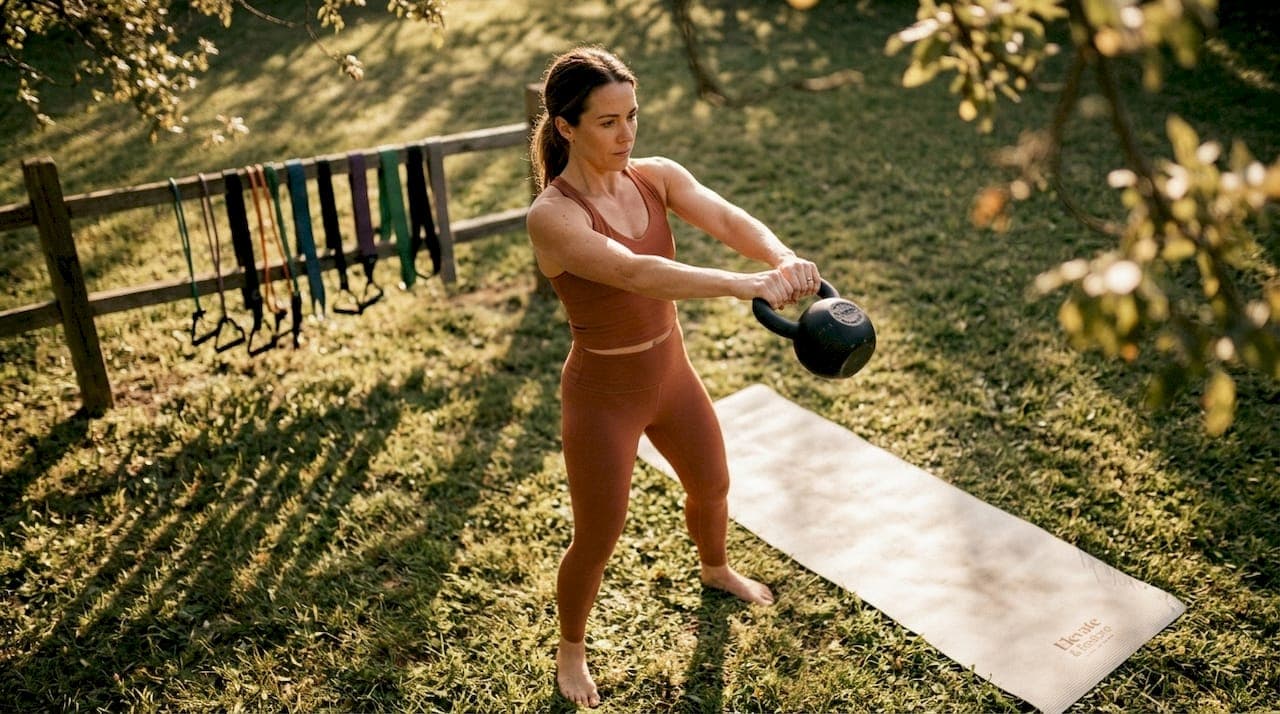
Functional training exercises are movements designed to mimic real-life activities, building the strength, coordination, and stability you use every day. Unlike machine-based isolation work, these exercises train multiple joints and muscle groups at once, which is exactly what your body needs to carry groceries, climb stairs, or get up from the floor without strain. Functional training ranks in the top five fitness trends globally, endorsed by the American College of Sports Medicine for its practical benefits. The core types of functional training exercises are built around seven movement patterns: squat, hinge, lunge, push, pull, carry, and rotation.
What are the fundamental types of functional training exercises?
Functional exercises cover seven movement patterns that directly relate to daily living activities. Each pattern trains the body as a connected system rather than targeting one muscle in isolation. That distinction matters enormously for adults over 30, because real-world strength comes from how well your muscles work together, not how much one can lift alone.
| Movement pattern | Example exercises | Primary benefit | Key muscles |
|---|---|---|---|
| Squat | Goblet squat, bodyweight squat | Leg strength, sit-to-stand ability | Quads, glutes, core |
| Hinge | Deadlift, kettlebell swing | Posterior chain power | Hamstrings, glutes, lower back |
| Lunge | Reverse lunge, walking lunge | Balance, single-leg stability | Quads, glutes, hip flexors |
| Push | Push-up, overhead press | Upper body strength | Chest, shoulders, triceps |
| Pull | Row, pull-up, band pull-apart | Posture, shoulder health | Back, biceps, rear delts |
| Carry | Farmer's carry, suitcase carry | Grip strength, core stability | Core, traps, forearms |
| Rotation | Pallof press, woodchop | Spinal control, anti-rotation | Obliques, deep core |
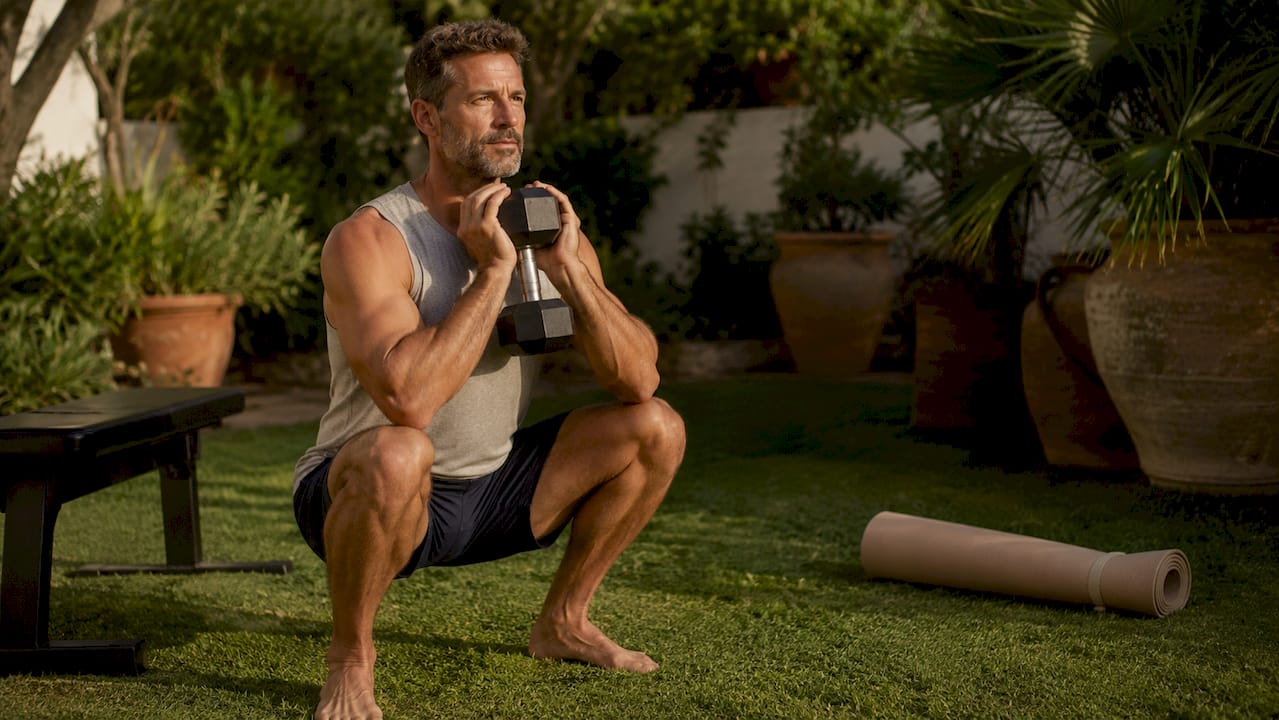
Functional training protects joints by teaching muscles to stabilise during movement rather than relying on a machine to do that job. This is the key difference between a leg press and a squat. The squat demands that your hips, knees, ankles, and core all coordinate in real time. That coordination is what keeps you moving well as you age.
Compound, multi-joint movements are the foundation of any functional fitness routine. They build more usable strength in less time than single-joint exercises. For adults over 30, that efficiency is a genuine advantage.
2. Bodyweight functional movements: where to start
Bodyweight exercises are the best entry point for functional training workouts, particularly if you are returning to exercise or managing joint sensitivity. They teach movement quality before load is ever added. That sequence matters because technical failure precedes muscular failure in functional training. Stop a set the moment your form breaks down, not when your muscles give out.
Key bodyweight exercises to build into your routine:
- Bodyweight squat. Stand feet shoulder-width apart, lower until thighs are parallel to the floor, drive through the heels to stand. Trains the sit-to-stand pattern directly.
- Reverse lunge. Step one foot back, lower the back knee toward the floor, return to standing. Builds single-leg stability without the knee stress of a forward lunge.
- Push-up. Keep the body in a straight line from head to heel. Modify on the knees if needed. Trains the push pattern and core at once.
- Plank. Hold a straight-body position on hands or forearms. Builds the anti-rotation and anti-extension core strength that protects your lower back.
- Step-up. Use a bench or step. Drive through the heel of the elevated foot. Directly mimics stair climbing and builds unilateral leg strength.
- Hip hinge (bodyweight). Hinge at the hips with a soft knee bend, keeping the spine long. The foundation for all deadlift variations.
Pro Tip: Slow each rep down deliberately. A three-second lowering phase on a squat or lunge builds more motor control than rushing through ten reps at speed. Quality reps at slow tempo are the fastest way to build a safe foundation.
Functional training for beginners is about slowing down and refining movement, not speeding through or lifting heavy. That principle runs counter to what most people expect from a workout, but it is the approach that produces lasting results.
3. Weighted functional exercises and how to progress safely
Adding resistance to functional movements accelerates strength gains, but only when the movement pattern is already solid. Starting with minimal weight and focusing on technical execution builds the motor control needed to reduce injury risk. This is not about going easy. It is about building a foundation that holds up under real load.
Effective weighted exercises for adults over 30:
- Goblet squat. Hold a dumbbell or kettlebell at chest height. The front load naturally encourages an upright torso and deeper squat depth.
- Romanian deadlift. Use dumbbells or a barbell. Hinge at the hips, lower the weight along the legs, drive the hips forward to stand. Builds the posterior chain directly.
- Farmer's carry. Hold a heavy dumbbell or kettlebell in each hand and walk. Carry exercises build grip strength and core stability in a way that almost no other exercise replicates.
- Dumbbell row. Brace one hand on a bench, row the dumbbell to the hip. Trains the pull pattern and corrects the forward posture that desk work creates.
- Overhead press. Press dumbbells from shoulder height to full extension overhead. Builds shoulder stability and trains the push pattern through a full range.
- Turkish get-up. A kettlebell movement that takes you from lying to standing in a controlled sequence. Demanding, but one of the most complete functional exercises available.
Pro Tip: Add unilateral exercises like single-leg deadlifts and single-arm rows to every programme. Unilateral movements reveal imbalances that bilateral exercises mask, and correcting those imbalances reduces injury risk significantly.
Progression follows a simple rule: add load only when you can complete every rep with perfect form. If form degrades before the set ends, reduce the weight. Technical failure must precede muscular failure in every session.
4. How to structure a functional fitness routine after 30
A well-structured session follows three phases: warm-up, working circuits, and cooldown. Functional training sessions typically begin with a 5–10 minute warm-up, followed by circuits using 30–40 second work intervals and 20–60 seconds of rest between efforts. That structure balances intensity with recovery, which is especially relevant for adults over 30 whose recovery capacity differs from younger athletes.
A sample weekly framework:
- Monday: lower body focus. Goblet squat, reverse lunge, Romanian deadlift, step-up. Three rounds, 35 seconds work, 25 seconds rest.
- Wednesday: upper body and core. Push-up, dumbbell row, overhead press, plank. Three rounds, same intervals.
- Friday: full body integration. Farmer's carry, hip hinge, bodyweight squat, Turkish get-up. Two to three rounds.
Select exercises based on your personal movement challenges. If sitting and standing is difficult, prioritise squat and hinge patterns. If your posture suffers from desk work, load the pull and rotation patterns first. Functional fitness protects independence by building the whole-body stabilisation needed for everyday tasks. That goal should drive your exercise selection, not aesthetics alone.
Train two to three times per week and add a fourth session only when recovery feels complete. Consistency over months produces far more than intensity over weeks.
5. Overlooked functional exercises worth adding to your routine
Most people cycle through squats, lunges, and push-ups and call it done. Several highly effective movement categories get skipped, and that leaves real gaps in functional fitness.
Carry variations are the most neglected category in most routines. Carrying patterns are crucial for grip, core stability, and total-body strength. The suitcase carry, where you hold weight on one side only, forces your core to resist lateral bending under load. That is exactly the demand your body faces when carrying a bag of shopping on one side.
Rotation and anti-rotation exercises address the rotational demands of real life that squats and deadlifts do not cover. The Pallof press, performed with a resistance band anchored to a fixed point, trains your core to resist rotation rather than produce it. That anti-rotation strength protects the spine during twisting movements in daily life.
Key overlooked exercises to add:
- Suitcase carry. Hold weight on one side only. Walk 20–30 metres. Switch sides.
- Pallof press. Anchor a band at chest height, press straight out and hold. Resist any rotation.
- Rotational medicine ball slam. Rotate and slam a medicine ball against a wall or floor. Trains the rotational power pattern.
- Single-leg Romanian deadlift. Balance on one leg, hinge at the hip. Builds posterior chain strength and balance simultaneously.
Pro Tip: If you find the Pallof press easy, slow the press out to a three-second count and hold for two seconds at full extension. The challenge comes from time under tension, not load.
A common misconception is that functional training must be fast or intense to be effective. Combining high-intensity intervals with multi-joint movements does produce strong results, but intensity is a tool, not a requirement. Movement quality always comes first.
Key takeaways
The most effective functional fitness routine for adults over 30 prioritises movement quality across all seven patterns before adding load or speed.
| Point | Details |
|---|---|
| Seven movement patterns | Squat, hinge, lunge, push, pull, carry, and rotation cover all functional fitness needs. |
| Start with bodyweight | Build motor control and form before adding any resistance to reduce injury risk. |
| Carry exercises matter | Farmer's and suitcase carries build grip and core stability that most routines miss entirely. |
| Unilateral work reveals gaps | Single-leg and single-arm exercises expose imbalances that bilateral movements hide. |
| Structure sessions consistently | Use 30–40 second work intervals, 20–60 seconds rest, and train two to three times per week. |
What I've learned from training adults over 30 at Elevateandrestore
Most people who walk into Elevateandrestore for the first time think they need to work harder. What they actually need is to move better. The adults who make the fastest progress are not the ones who push through pain or add weight every session. They are the ones who slow down, own each movement pattern, and build from there.
The biggest shift I see is when someone realises that functional training is not about looking a certain way. It is about being able to do things. Carry your own luggage. Get off the floor without using your hands. Walk up a hill without your knees complaining. Those outcomes matter far more than any number on a barbell.
Pairing functional training with Pilates for strength accelerates results in a way that neither discipline achieves alone. Pilates builds the deep stabiliser strength that makes every functional movement safer and more controlled. The combination is particularly powerful for adults over 30 managing old injuries or returning to exercise after a break.
Patience is not a passive quality in training. It is a skill. The people who stay consistent for six months without chasing intensity every session are the ones who are still training injury-free at 50.
— Elevate
Functional training at Elevateandrestore in West Footscray
Elevateandrestore runs small group sessions capped at six people, which means every person gets genuine coaching attention, not just a programme to follow alone. The gym in West Footscray combines functional strength training with reformer Pilates, giving adults over 30 a complete system for building movement quality and real-world strength.
Recovery is built into the model too. The recovery hub includes a sauna, cold plunge, hot tub, and compression boots, all designed to support the muscle repair that makes training sustainable long term. If you want to build functional fitness with proper guidance and a recovery system that keeps you consistent, reformer Pilates sessions at Elevateandrestore are a strong place to begin.
FAQ
What are the main types of functional training exercises?
The main types are built around seven movement patterns: squat, hinge, lunge, push, pull, carry, and rotation. Each pattern trains multiple joints and muscles together to improve real-world strength and coordination.
How often should adults over 30 do functional training workouts?
Two to three sessions per week is the recommended starting frequency for adults over 30. Add a fourth session only when recovery between sessions feels complete.
Are bodyweight functional movements effective without weights?
Bodyweight exercises build genuine functional strength, especially when performed with controlled tempo and full range of motion. They are the best starting point for developing movement quality before adding resistance.
What is the technical failure principle in functional training?
Technical failure means stopping a set the moment your form breaks down, before your muscles give out. This principle protects against injury and is central to safe functional training progression.
How does functional training differ from regular gym training?
Functional training uses compound, multi-joint movements that mimic daily activities, while traditional gym training often isolates single muscles on machines. Functional exercises build coordination and stability that machine-based training does not replicate.