
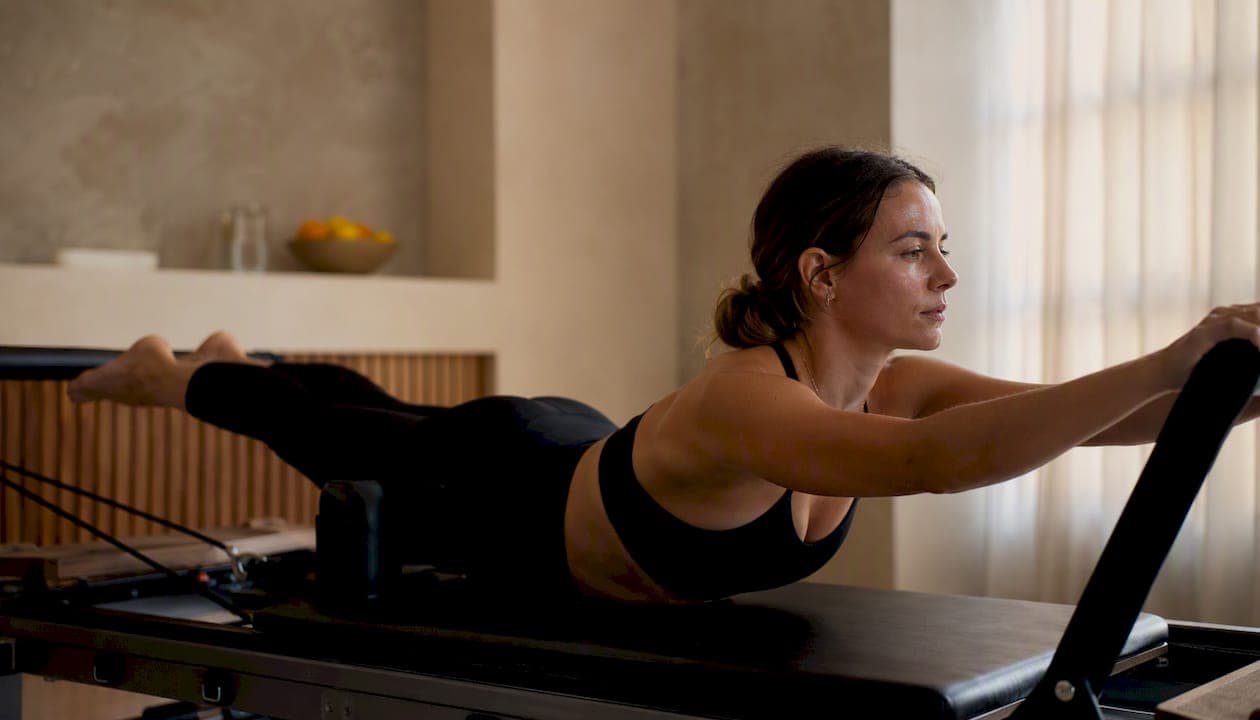
The activities with real evidence behind them are boringly simple: move most days, eat a varied whole-food diet rich in vitamin D, vitamin C, zinc, protein and fibre, sleep on a consistent schedule, keep chronic stress in check, wash your hands properly, and stay current with your vaccinations. None of these fix anything overnight. Your immune system is a slow-moving, interconnected network, not a switch, and it responds to weeks and months of consistent habits rather than one green juice or a single hard gym session.
Here's where to put your energy first:
- Get the recommended amount of moderate exercise each week, split across most days
- Add a couple of strength sessions per week, even short ones
- Eat a rainbow of whole foods, prioritising fibre, protein and fermented foods
- Sleep an appropriate amount on a fairly fixed schedule
- Build in daily stress-reducing practice, even 5 to 10 minutes of it
- Keep your hands clean and your vaccinations up to date
There's no single proven way to make your immune system stronger by tomorrow morning. Authoritative reviews are consistent on this point: the best-supported approach is a boring, compounding stack of healthy habits, not a supplement or hack.
Key takeaways
The most reliable way to support your immune system is consistent moderate exercise, a varied whole-food diet, regular sleep, daily stress management and staying current with vaccinations, sustained over weeks and months rather than attempted once.
| Point | Details |
|---|---|
| Hit the exercise minimum | Aim for 150 minutes moderate activity plus two strength sessions weekly, spread across most days. |
| Eat for gut diversity | Prioritise varied whole foods, fibre, protein and fermented foods over isolated supplements. |
| Protect your sleep schedule | Sleep 7 to 9 hours on a consistent timetable to support immune cell regulation. |
| Manage stress daily | Use 5 to 10 minutes of breathing, walking or mind-body practice to keep cortisol in check. |
| Test before you supplement | Get vitamin D checked before megadosing, and treat vaccination as your strongest single tool. |
| Structure movement and recovery together | Elevateandrestore's small-group Pilates and functional training, paired with sauna, cold plunge and compression at its recovery hub, gives adults a practical way to combine the exercise and recovery habits in this guide. |
Table of Contents
- What counts as enough immune system boosting activities?
- Which exercises actually support your immune system?
- What should you eat to support immune health?
- How does sleep affect your immune system?
- How do stress and social connection affect immunity?
- Are vaccines and hand hygiene still the most reliable tools?
- Do supplements and herbal immune boosters actually work?
- How long until you notice a difference?
- A 7-day starter plan you can follow this week
- What does the evidence say about sauna, cold plunge and compression?
- How do you choose activities that fit your life?
- What we've learned from working with clients on this
- Put this into practice at Elevateandrestore
- Sources
What counts as enough immune system boosting activities?
Most people underestimate how little it actually takes to hit the baseline. The core exercise benchmark, backed by public health guidance, is 150 minutes of moderate-intensity activity a week (or 75 minutes if it's vigorous), plus strength training on at least two days. That's roughly a 30-minute brisk walk five days a week, plus two sessions on weights, resistance bands or a reformer.
Sleep and diet benchmarks are less rigid but no less important. Here's the shorthand version most adults can use to sanity-check their own routine.
| Habit | Recommended benchmark | Why it matters for immunity |
|---|---|---|
| Aerobic exercise | Recommended moderate or vigorous activity weekly | Mobilises immune cells and reduces stress hormones |
| Strength training | A few sessions per week on non-consecutive days | Supports muscle mass, metabolic health and recovery capacity |
| Sleep | 7 to 9 hours, consistent schedule | Regulates immune cell function and antibody response |
| Dietary variety | 30+ different plant foods per week (rough target) | Feeds a diverse gut microbiome linked to immune regulation |
| Stress practice | Short daily sessions | Lowers cortisol, which otherwise suppresses immune signalling |
None of these numbers deliver results in isolation, and none deliver them fast. Exercise-related improvements in illness frequency tend to show up over roughly 12 weeks of consistent aerobic activity, not 12 days. Sleep and stress changes can shift how you feel within days, but the deeper immune benefits (better vaccine response, lower background inflammation) build cumulatively. Think of it less like flipping a switch and more like compound interest: small, repeated deposits that pay off over months.
Which exercises actually support your immune system?
Exercise is the single most talked-about immune system boosting activity, and for good reason. Moderate activity triggers a cascade: it mobilises white blood cells into circulation, creates a brief, controlled inflammatory response that primes your immune surveillance, and lowers circulating stress hormones that otherwise dampen immune function. None of this requires punishing yourself in a gym.
Practical activity examples that fit into most weeks:
- Brisk walking, 30 minutes, most days — no equipment, easy to stack with a commute
- Cycling or swimming, 2 to 3 sessions of 20 to 40 minutes
- Reformer Pilates or resistance training, twice weekly, for both strength and mobility
- Brisk gardening or a physical hobby, 30 to 45 minutes, counts toward your weekly total
- Short resistance circuits at home, 15 to 20 minutes, on busy days
The type of exercise matters more than most people realise. A recent narrative review of exercise modalities found aerobic work and mind-body practices like Pilates and yoga produce the most consistent anti-inflammatory and immune-supportive effects. High-intensity interval training and other extreme protocols showed far more variable results, and repeated long, hard sessions can transiently suppress some immune functions rather than support them. Consistency at moderate intensity beats intensity for intensity's sake, every time.
Pro Tip: If your week is packed, break your 150 minutes into 10-minute chunks. Three brisk 10-minute walks a day hit the same weekly total as one 50-minute session, and research on leukocyte mobilisation suggests the immune benefit holds up just as well.
What should you eat to support immune health?
Food-first beats supplement-first, and the evidence backs that up clearly. Whole foods deliver nutrients alongside fibre, polyphenols and other bioactive compounds that work together in ways an isolated capsule can't fully replicate. A multivitamin is not a substitute for a varied plate.
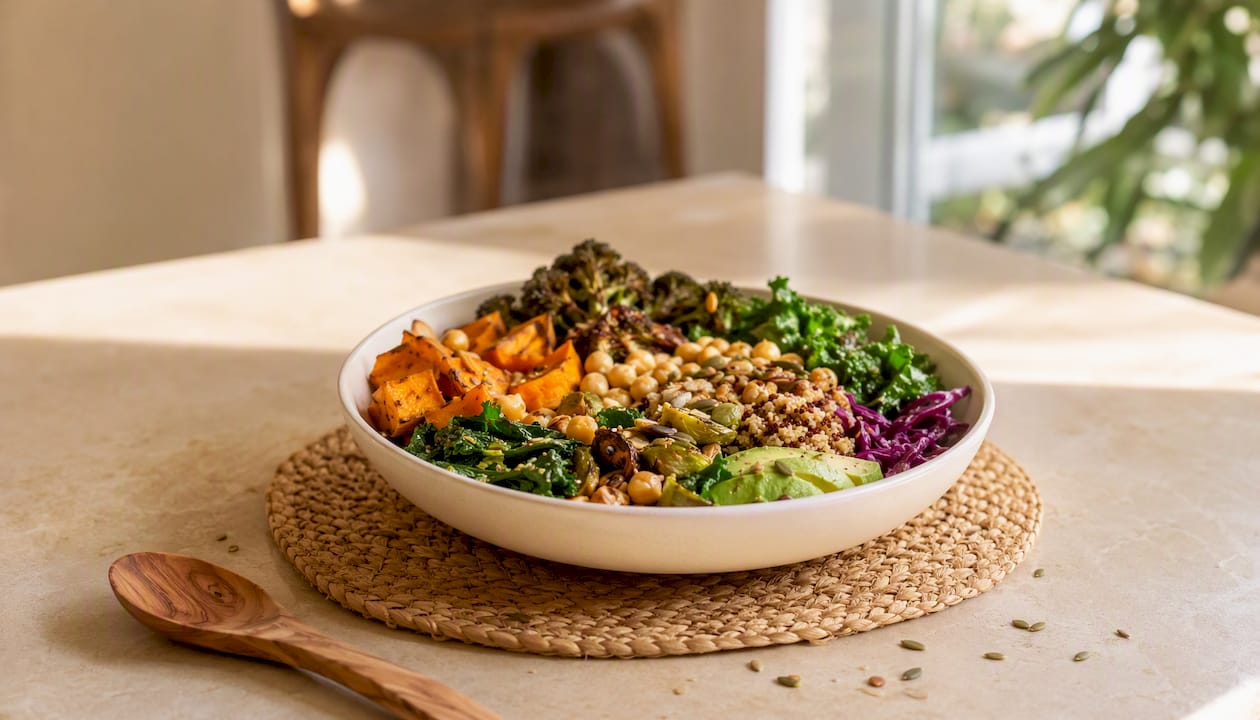
The nutrients with the strongest evidence link to immune cell function are vitamin D, vitamin C, zinc, protein and fibre, alongside polyphenols and omega-3s. A review on nutrition and immune competence confirms that these nutrients directly influence immune tissue and cell function, and that correcting a deficiency restores measurable function rather than pushing immunity above a normal baseline.
Practical food sources worth building meals around:
- Vitamin D: oily fish (salmon, sardines), eggs, and sensible sun exposure
- Vitamin C: citrus, capsicum, kiwifruit, broccoli
- Zinc: legumes, nuts, seeds, lean meat, shellfish
- Protein: eggs, legumes, fish, poultry, dairy, or plant proteins like tofu and tempeh
- Fibre and gut diversity: vegetables, wholegrains, fermented foods like yoghurt, kimchi and sauerkraut
Gut diversity deserves more attention than it gets. A wide variety of plant foods, not just probiotic supplements, feeds a more diverse microbiome, and that diversity is tied to healthier immune regulation. Aim for variety across the week rather than the same five vegetables on rotation.
Nutritional status shapes immune tissue function directly, and targeted nutrition can restore capacity when a genuine deficiency exists. It doesn't push a healthy person's immune system past its normal ceiling.
On the flip side, alcohol and smoking work against everything above. Regular heavy drinking impairs immune cell function and disrupts sleep quality, while smoking damages the respiratory tract's first line of defence. Neither needs to disappear completely to see benefit; cutting back consistently matters more than one dramatic detox.
How does sleep affect your immune system?
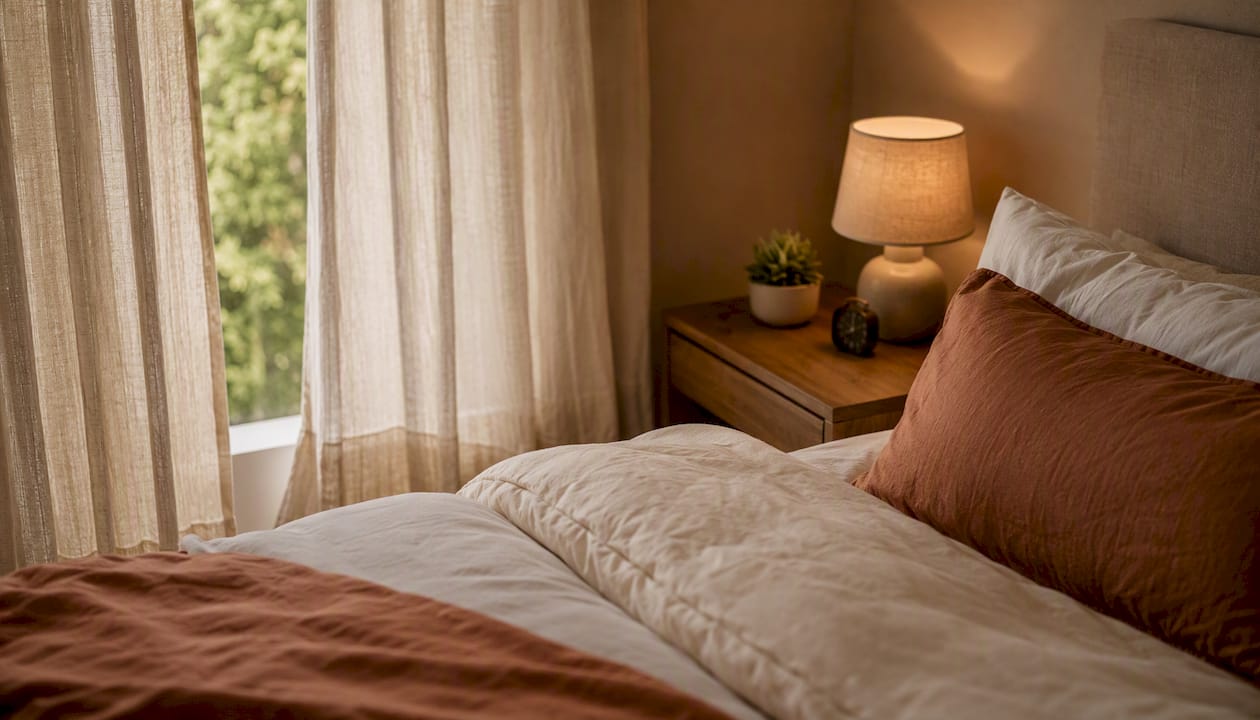
Sleep is where your immune system does a lot of its quiet maintenance work. Adults need 7 to 9 hours, and the consistency of that schedule matters almost as much as the total hours. Regular, sufficient sleep supports immune cell function and improves how well your body responds to vaccination, while chronic short sleep is linked to higher susceptibility to common infections.
Simple habits move the needle here more than any sleep supplement:
- Go to bed and wake up at roughly the same time, even on weekends
- Dim lights and screens an hour before bed to support your body's natural wind-down
- Cut caffeine after early afternoon and limit alcohol close to bedtime, since both fragment sleep quality
- If you nap, keep it under 30 minutes and earlier in the day
- Get natural light exposure in the morning to anchor your circadian rhythm
Busy adults often try to fix sleep with willpower alone. The bigger lever is usually environmental: a dark, cool room and a fixed wake time do more than any bedtime ritual on top of an erratic schedule.
How do stress and social connection affect immunity?
Chronic stress is one of the more underrated saboteurs of immune health. Sustained high cortisol interferes with normal immune regulation, and people under prolonged stress report more frequent colds and slower wound healing. This isn't about eliminating stress, which is neither possible nor necessary. It's about interrupting the chronic, low-grade version that never lets your nervous system downshift.
Short, repeatable practices work better than occasional big gestures:
- Three to ten minutes of slow breathing (four seconds in, six seconds out) once or twice a day
- A short walk outdoors, ideally somewhere with greenery
- Regular social contact, even brief catch-ups, since isolation itself is a measurable stress load
- Mind-body movement like Pilates or yoga, which combines controlled breathing with gentle strength work
Mind-body practices sit in an interesting spot here. Research on mind-body therapies links them to genuine reductions in inflammatory markers and improved immune cell profiles, not just a subjective sense of calm.
Practices that combine breath control with gentle, deliberate movement consistently show reductions in inflammatory markers, an effect that generic advice to "relax more" doesn't capture.
Are vaccines and hand hygiene still the most reliable tools?
Yes, and it's worth saying plainly because so much immune-boosting content skips past it: vaccination remains the single most effective way to prime your immune system against a specific pathogen. No diet, exercise routine or supplement comes close to matching what a vaccine does, which is teach your immune system to recognise a threat before you're ever exposed to it.
Sensible hygiene backs this up on the everyday infection-prevention side:
- Wash hands thoroughly with soap, particularly before eating and after public transport or shared surfaces
- Improve ventilation indoors, especially in shared workspaces during cold and flu season
- Stay home when genuinely unwell, rather than pushing through and spreading it around
- Handle and store food properly to avoid preventable gastrointestinal illness
Exercise and vaccination actually work together. Regular exercisers show stronger antibody responses to vaccination than sedentary people, so keeping active around flu season isn't a bad idea alongside your seasonal shot.
Pro Tip: If you're due for a flu vaccine or booster, a light-to-moderate exercise session in the days beforehand may support a stronger antibody response. Skip the personal-best deadlift session the day before, though.
Do supplements and herbal immune boosters actually work?
Supplements have one clear job: correcting a genuine deficiency. Beyond that, the evidence for "boosting" a healthy immune system above its normal baseline is thin, no matter what the label promises.
Here's the honest rundown on the products people ask about most:
- Vitamin D: genuinely useful if you're deficient, restoring measurable immune function; a blood test is the only reliable way to know if you need it
- Vitamin C: helpful for correcting deficiency, but high doses in people who already get enough from food show minimal extra benefit
- Zinc: may modestly shorten cold duration if taken early, but megadoses risk copper deficiency and nausea
- Probiotics: evidence is strain-specific and mixed; whole-food fermented sources are a safer, more reliable bet for most people
- Echinacea and other herbal blends: evidence is inconsistent and often based on small or poorly controlled studies
There is no single proven way to boost immunity overnight, and the strongest available evidence still points to consistent lifestyle habits over any pill, powder or tincture.
If you suspect a genuine deficiency, get tested before you start supplementing. Talk to a GP before taking high-dose supplements, especially if you're on other medications, pregnant, or managing a chronic condition, since interactions and toxicity risks are real at high doses.
How long until you notice a difference?
This is where expectations usually go wrong. Some changes show up fast; others take months, and knowing which is which stops you from giving up too early.
- Days: better sleep quality and lower perceived stress from consistent bedtime and breathing practice
- 2 to 4 weeks: early improvements in energy and exercise tolerance
- Around 12 weeks: measurable reductions in upper respiratory infection frequency with consistent moderate exercise
- Weeks post-vaccination: peak antibody response, generally stronger in people who exercise regularly
- Months: meaningful shifts in body composition, micronutrient status and gut microbiome diversity
The through-line across all of it: consistency beats any single big effort. A brutal week of clean eating followed by three sedentary months won't move the needle nearly as much as moderate, unglamorous effort sustained for a season.
A 7-day starter plan you can follow this week
Here's a simple weekly structure built around the benchmarks above. Adjust the intensity, not the frequency, to fit your fitness level.
- Monday: 30-minute brisk walk or cycle; 5 minutes of breathing practice before bed
- Tuesday: Strength session (weights, resistance bands or reformer Pilates), 30 to 40 minutes
- Wednesday: Rest or gentle walk; prioritise an early, screen-free wind-down
- Thursday: 30-minute moderate cardio; social catch-up over lunch or coffee
- Friday: Second strength session; batch-cook a fibre-rich meal for the weekend
- Saturday: Longer outdoor activity (hike, swim, sport) plus time in nature
- Sunday: Active recovery, meal planning for the week, and a full night's sleep with no alarm
Beginners: Halve the durations for week one and build up gradually. Two 15-minute walks and one light strength session is a legitimate starting point.
Time-poor adults: Stack habits. Do breathing practice during your commute, take walking meetings, and treat a 20-minute reformer Pilates session as non-negotiable rather than optional.
A short weekly checklist: two strength sessions ticked off, five days of movement logged, seven nights of consistent sleep, and one genuine stress-relief practice most days.
Pro Tip: Habit-stack by attaching a new practice to something you already do daily, like breathing exercises right after you brush your teeth. It removes the decision-making that kills most new routines by day four.
What does the evidence say about sauna, cold plunge and compression?
Recovery modalities get a lot of hype, and the honest picture is more nuanced than most marketing suggests. Evidence for non-invasive recovery therapies shows real reductions in perceived stress and muscle soreness, which indirectly supports the stress and sleep pathways covered earlier. The evidence base is stronger for recovery and comfort than for direct immune enhancement, and it's worth being upfront about that distinction.
- Sauna: supports relaxation and post-exercise recovery; some studies link regular sauna use to cardiovascular benefits, though immune-specific evidence is still preliminary
- Cold plunge: may reduce perceived muscle soreness and support recovery between sessions; evidence for direct immune benefits is limited
- Compression therapy: supports circulation and recovery after strength training, useful alongside rather than instead of good sleep
- Hot hydrotherapy: generally supports relaxation and stress reduction, complementing (not replacing) the stress-management practices above
Who should be cautious: people with cardiovascular conditions, pregnant women, and anyone with uncontrolled blood pressure should check with a doctor before regular sauna or cold plunge use. Contrast therapy isn't the place to push through symptoms that feel off.
Recovery modalities work best as a complement to consistent training and sleep, not a replacement for either. The evidence supports them as a comfort and recovery layer, not a standalone immune strategy.
A typical sequencing pattern looks like this: strength or Pilates session, followed by 10 to 15 minutes in the sauna, then a short cold plunge, finished with 15 to 20 minutes of compression while you cool down. Guidance on sauna sequencing for strength training covers timing and temperature ranges in more depth if you want to build this into your own week.
How do you choose activities that fit your life?
Not every immune system boosting activity suits every person, and the right question isn't "what's most effective in a study" but "what will I actually keep doing." Consistency wins over perfection every time.
Before starting a new class or modality, run through this checklist:
- Does it fit into a slot you'll realistically protect each week?
- Do you actually enjoy it, or are you doing it out of guilt?
- Do you have any current injuries or chronic conditions that need modification?
- Can your body recover between sessions, or are you stacking hard efforts back to back?
- Would a small group setting help with accountability, or do you prefer solo sessions?
If you're returning to exercise after illness, injury or a long break, start at roughly half the intensity you think you can handle and build from there over a few weeks.
Red flags that mean you should pause and see a GP: persistent fatigue that doesn't improve with rest, soreness lasting more than 72 hours after a normal session, a resting heart rate that stays elevated, or symptoms that suggest an active infection (fever, unusual chest tightness, persistent cough). Pushing through these signs doesn't build resilience; it usually sets recovery back further.
What we've learned from working with clients on this
Most people who come through our doors aren't chasing a dramatic transformation. They're trying to stop getting sick every time the seasons change, sleep better, and feel less wrecked by ordinary stress. What actually shifts things for them is rarely one dramatic intervention. It's the boring stack: two structured strength or reformer Pilates sessions a week, a recovery routine that's actually scheduled rather than an afterthought, and a sleep pattern they stop sabotaging on weekends.
Small groups matter more than people expect. Training in a group of six means someone notices if your form slips or your energy drops, which catches overtraining before it becomes a setback. Pairing that structured movement with recovery hub access (sauna, cold plunge, hot tub, compression) gives clients a genuine reason to show up on the days they'd otherwise skip. If you want a deeper look at how strength training specifically supports adults over 30, the studio's guide on strength training after 30 goes further into programming specifics than this article can.
Put this into practice at Elevateandrestore
You don't need a home gym, a supplement cabinet or a perfect schedule to apply any of this. You need somewhere that makes the two things that matter most (consistent movement and proper recovery) easy to keep showing up for. Elevateandrestore runs small-group reformer Pilates and functional training capped at six people, so sessions stay genuinely supervised rather than lost in a crowded class.
After training, the recovery hub is right there: infrared sauna, cold plunge, hot tub and compression boots, all in the same visit instead of a separate trip you never quite get around to booking. That combination matters because recovery is the part most people skip when life gets busy, and it's exactly the part this article shows makes consistency possible in the first place. If you're building strength, easing into low-impact movement, or just want your recovery week to stop being an afterthought, the reformer Pilates classes are a practical entry point, and the recovery lounge rounds out the plan. Book a trial session and see how the two work together over a couple of weeks, not just one visit.
Sources
- Physical activity guidelines for adults (NSW Health)
- Exercise and immunity (MedlinePlus Medical Encyclopedia)
- How to boost your immune system (Harvard Health)