

A well-structured holistic wellness studio routine combines mindful movement, breathwork, and active recovery into a single, repeatable daily practice. In the fitness world, this approach is more formally known as integrative wellness, a term used by clinicians and researchers to describe coordinated mind, body, and nervous system care. At Elevateandrestore, this is exactly what we build every session around: functional training paired with a recovery hub that includes sauna, cold plunge, hot tub, and compression boots. The result is a practice that does more than burn kilojoules. It builds genuine, lasting resilience.
What are the essential components of a holistic wellness studio routine?
A complete integrative wellness practice rests on three pillars: mindful movement, breathwork, and recovery. Remove any one of them and the routine loses its balance. Think of movement as the stimulus, breathwork as the regulator, and recovery as the adaptation phase where real change happens.
Before you step onto a mat or into a studio, a small amount of preparation makes a significant difference. Physical tools worth having include a quality mat, a foam roller, and a resistance band. Mental readiness is equally practical: spend two minutes setting a clear intention before each session. Ask yourself what you need today, not what you think you should do.
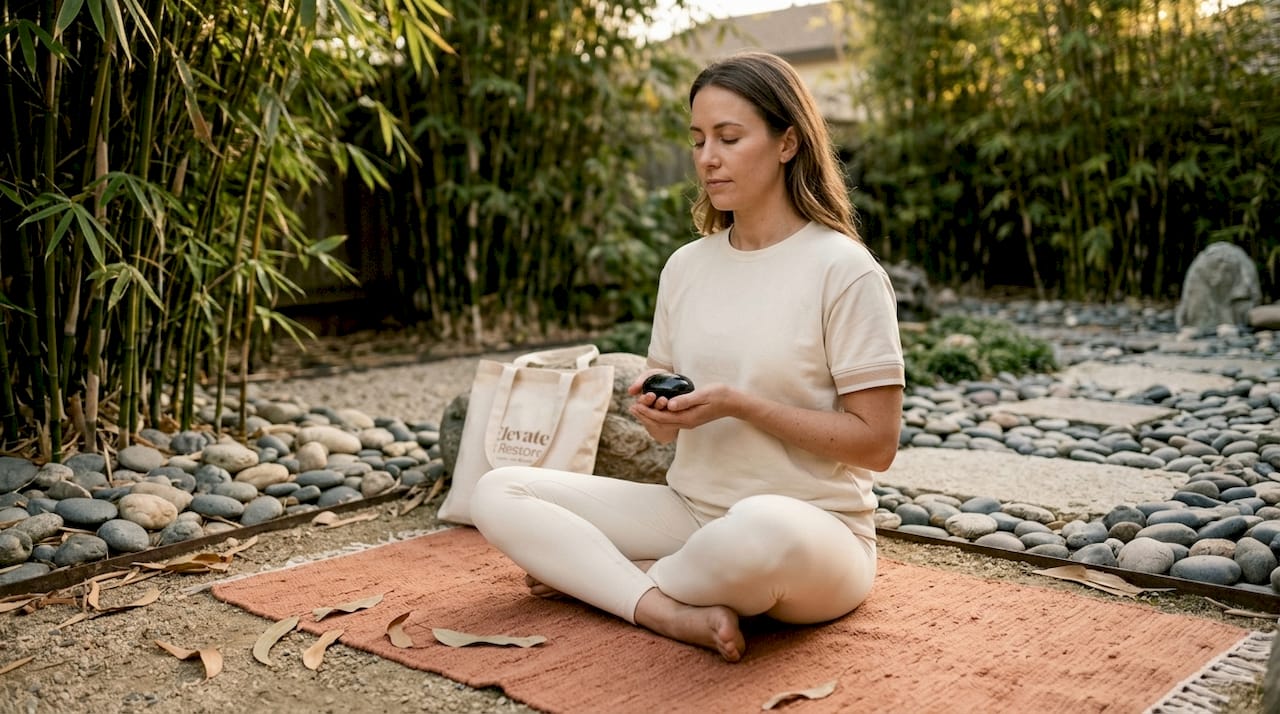
Wellness tools and their primary benefits
| Tool | Primary benefit |
|---|---|
| Yoga mat | Stable surface for movement and breathwork |
| Foam roller | Myofascial release and circulation support |
| Resistance band | Low-load strength work and mobility |
| Sauna | Parasympathetic activation and muscle recovery |
| Compression boots | Lymphatic drainage and reduced soreness |
Planning your time matters as much as your equipment. A 45–60 minute block works well for most people. If that feels out of reach on a given day, a 15-minute minimum viable routine covering hydration, breathwork, and stretching still maintains the habit. Consistent daily practice of 15–60 minutes produces measurable shifts in wellbeing over weeks to months.
Pro Tip: Lay out your mat and fill your water bottle the night before. Removing friction from the start of your routine is the single most effective way to make it stick.
Breathwork deserves its own preparation. Learning the difference between diaphragmatic breathing and box breathing before your first session means you can use the right tool at the right moment. The types of breathwork available in a studio setting range from activating techniques used before movement to calming techniques used in recovery.
How to structure your daily integrative wellness routine
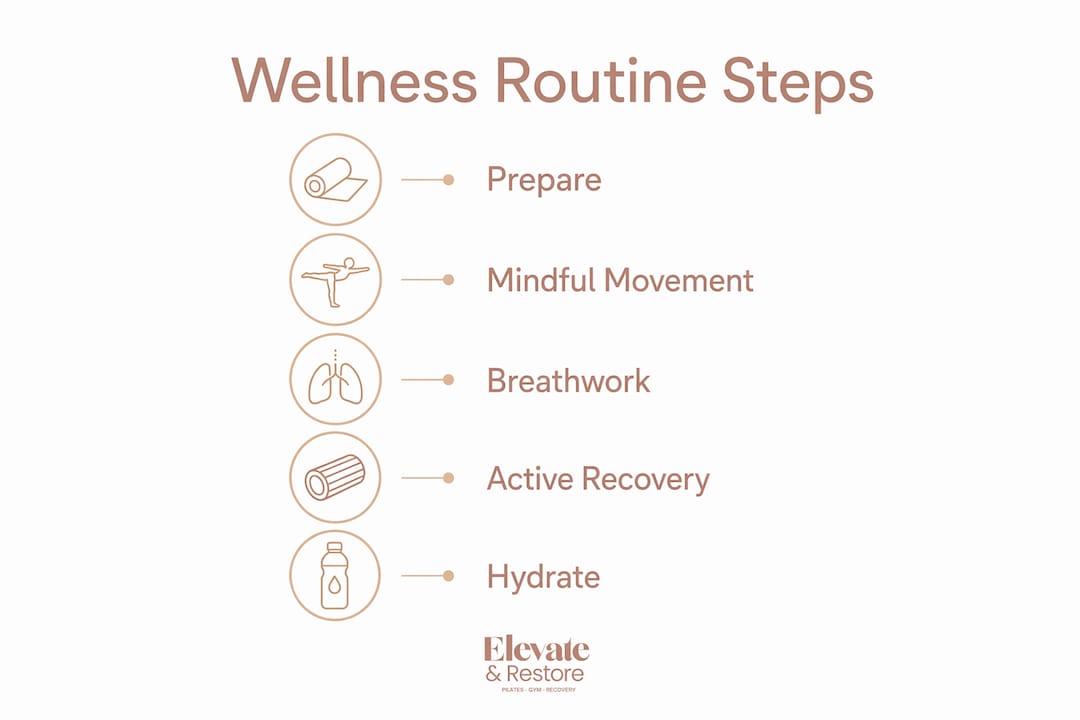
A structured daily schedule removes decision fatigue and keeps the practice consistent. The sequence below is built around circadian biology: high-intensity work in the morning when cortisol is naturally elevated, and restorative work in the evening to signal the nervous system to wind down.
-
Morning: movement block (20–30 minutes). Start with five minutes of joint mobility, then move into your primary training. Functional training or Pilates works well here. Morning high-intensity work aligns with natural cortisol rhythms and primes alertness for the day ahead.
-
Mid-morning: breathwork (5–10 minutes). Follow your movement block with a short breathwork session. Two minutes of diaphragmatic breathing, followed by box breathing for three to five minutes, lowers heart rate and clears mental noise. Breathwork in Pilates is particularly effective because it ties breath directly to movement patterns.
-
Midday: mindfulness block (10 minutes). A 10-minute mindfulness practice split into two minutes of focused breathing, a five-minute body scan, and three minutes of gratitude journalling improves memory and emotional resilience. This is one of the most research-supported habits you can add to a studio schedule.
-
Afternoon: intuitive movement check-in (5 minutes). Before any afternoon session, assess your energy honestly. Intuitive movement means choosing high-intensity work when you feel energetic and restorative activities like stretching or a slow walk when you feel depleted. This prevents burnout and keeps training sustainable.
-
Evening: recovery (20–30 minutes). Reserve sauna, cold plunge, hot tub, or compression boots for the evening. These modalities activate the parasympathetic nervous system and prepare the body for deep sleep. Pair recovery with a digital sunset of 60–90 minutes screen-free before bed to protect sleep quality.
Pro Tip: If you can only do one thing on a chaotic day, choose breathwork. Five minutes of box breathing resets your nervous system and keeps the habit alive without requiring any equipment or space.
What are the common challenges in sticking to a wellness routine?
The most common reason wellness routines fail is all-or-nothing thinking. People miss one session and decide the whole week is lost. A minimum viable routine solves this directly. On your hardest days, reduce the routine to its three core essentials: hydrate, breathe, and stretch. That is enough to maintain the habit.
Energy fluctuations are the second major obstacle. Many people push through fatigue with high-intensity training and then wonder why they feel worse. Intuitive movement is a biological necessity, not a preference. Check your energy before every session and adjust accordingly. Mindful movement reduces anxiety precisely because it teaches you to respond to your body's signals rather than override them.
Digital distraction is the third challenge, and it is often underestimated. Screens before bed suppress melatonin and fragment sleep, which directly undermines recovery. A 60–90 minute screen-free window before sleep is not a luxury. It is a recovery tool.
"The biggest misconception is that exercise is the only work needed. Integrating nervous system down-regulation is essential for true resilience." — integrated wellness research
When to seek studio support is a question worth asking early. If you find yourself consistently skipping recovery, struggling with form, or losing motivation after two weeks, a structured small-group environment provides the accountability and expert guidance that self-directed practice cannot replicate.
How does integrative wellness improve overall health outcomes?
Integrative wellness is defined as the coordinated use of conventional and complementary approaches to address the root causes of poor health. Clinical evidence shows that integrative approaches reduce symptoms and improve quality of life in conditions including insomnia, depression, and obesity, beyond what conventional care alone achieves.
The mechanism is straightforward. Exercise creates a physical stimulus. Breathwork and mindfulness regulate the nervous system's response to that stimulus. Recovery allows adaptation to occur. When all three work together, the body and mind improve in ways that isolated exercise cannot produce.
Integrative modalities and their health benefits
| Modality | Primary health benefit |
|---|---|
| Functional training | Strength, mobility, and injury prevention |
| Pilates | Core stability, posture, and body awareness |
| Breathwork | Nervous system regulation and stress reduction |
| Sauna | Cardiovascular conditioning and muscle recovery |
| Cold plunge | Inflammation reduction and mental alertness |
| Compression boots | Lymphatic drainage and reduced muscle soreness |
Social connection is an underrated element of integrative wellness. Training in a small group, as Elevateandrestore structures its sessions with a maximum of six people, creates accountability and a sense of shared purpose. Both factors are independently linked to better mental health outcomes and long-term habit adherence.
True resilience requires balancing physical output with nervous system recovery. Without the recovery component, training produces diminishing returns. With it, the same volume of work produces significantly better results.
Key takeaways
A well-structured integrative wellness routine combines movement, breathwork, mindfulness, and recovery into a daily practice that builds genuine resilience over time.
| Point | Details |
|---|---|
| Three-pillar structure | Every effective routine needs mindful movement, breathwork, and active recovery. |
| Circadian timing | Schedule high-intensity work in the morning and recovery modalities in the evening. |
| Minimum viable routine | On busy days, reduce to hydration, breathwork, and stretching to keep the habit alive. |
| Intuitive movement | Adjust session intensity based on your energy level to prevent burnout. |
| Recovery is non-negotiable | Sauna, cold plunge, and screen-free evenings are recovery tools, not rewards. |
What I have learned from building routines that actually last
Most people come to Elevateandrestore looking for a better workout. What they find is that the recovery side of the equation changes everything. The sauna session after a Pilates class is not a bonus. It is where the adaptation happens. Once people experience that, they stop skipping it.
The other thing I have seen consistently: perfection is the enemy of consistency. The clients who make the most progress over six months are not the ones who never miss a session. They are the ones who show up with a five-minute breathwork practice on their worst days. That minimum viable approach keeps the nervous system engaged with the habit, so when life settles, the full routine is still there waiting.
Routines also need to evolve. What works at 30 looks different at 45. What works in a low-stress period needs adjustment during a demanding one. The goal is not to lock in a fixed schedule forever. The goal is to stay curious about what your body needs and build the skills to respond to it. That is what integrative wellness actually means in practice.
— Elevate
Elevateandrestore: where your wellness routine comes together
Elevateandrestore is a functional training and Pilates studio in West Footscray built around the idea that movement and recovery belong in the same session.
Every class runs with a maximum of six people, which means your coach sees you, corrects your form, and adjusts your programme as you progress. After your session, the recovery hub is waiting: sauna, cold plunge, hot tub, and compression boots, all designed to activate the parasympathetic nervous system and accelerate adaptation. If you are ready to build a Pilates and recovery practice that actually sticks, or you want to explore the recovery lounge on its own, both are available to book now.
FAQ
What is a holistic wellness studio routine?
A holistic wellness studio routine is a structured daily practice that combines mindful movement, breathwork, and active recovery to support physical, mental, and nervous system health. It is also known as an integrative wellness practice in clinical and research settings.
How long should a daily wellness routine take?
A daily integrated wellness practice of 15–60 minutes produces measurable benefits when maintained consistently over weeks to months. On busy days, a minimum viable routine of 15 minutes covering breathwork and stretching is enough to maintain the habit.
What is the best time of day for studio wellness sessions?
High-intensity movement is most effective in the morning when cortisol is naturally elevated. Recovery modalities like sauna and stretching work best in the evening to activate the parasympathetic nervous system and support sleep quality.
How does breathwork fit into a studio wellness routine?
Breathwork regulates the nervous system between movement and recovery phases. A 5–10 minute breathwork block after training lowers heart rate, reduces cortisol, and prepares the body for the adaptation that happens during rest.
When should I seek professional studio support?
Seek studio support when you consistently skip recovery, lose motivation within two weeks, or struggle with movement form. A structured small-group environment provides expert guidance and accountability that self-directed practice rarely replicates.