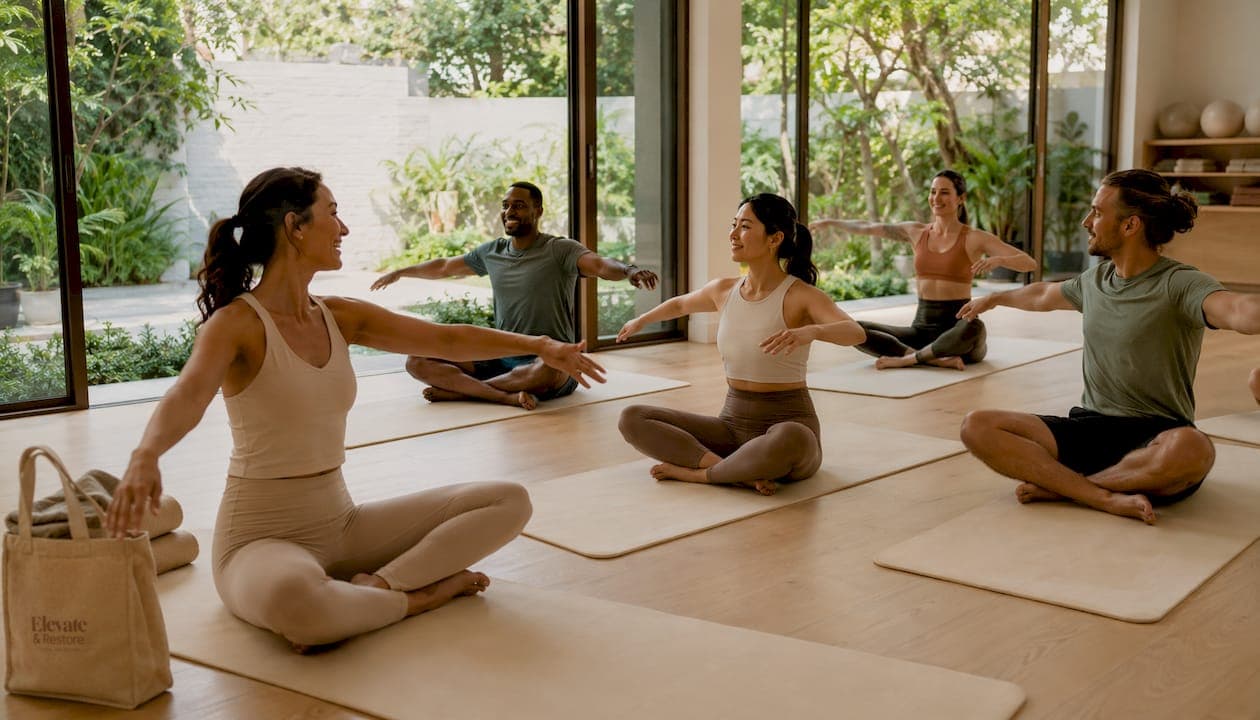
Walking into your first small group fitness or Pilates class, you can expect a structured session of roughly 45–60 minutes, a coach who actually knows your name, and a group small enough that nobody gets lost in the crowd. Sessions typically cap at around six to ten people, which means the instructor can watch your form, adjust your exercises, and push you at the right level. You get the accountability of a group and the attention of a coach, without the price tag of one-on-one personal training.
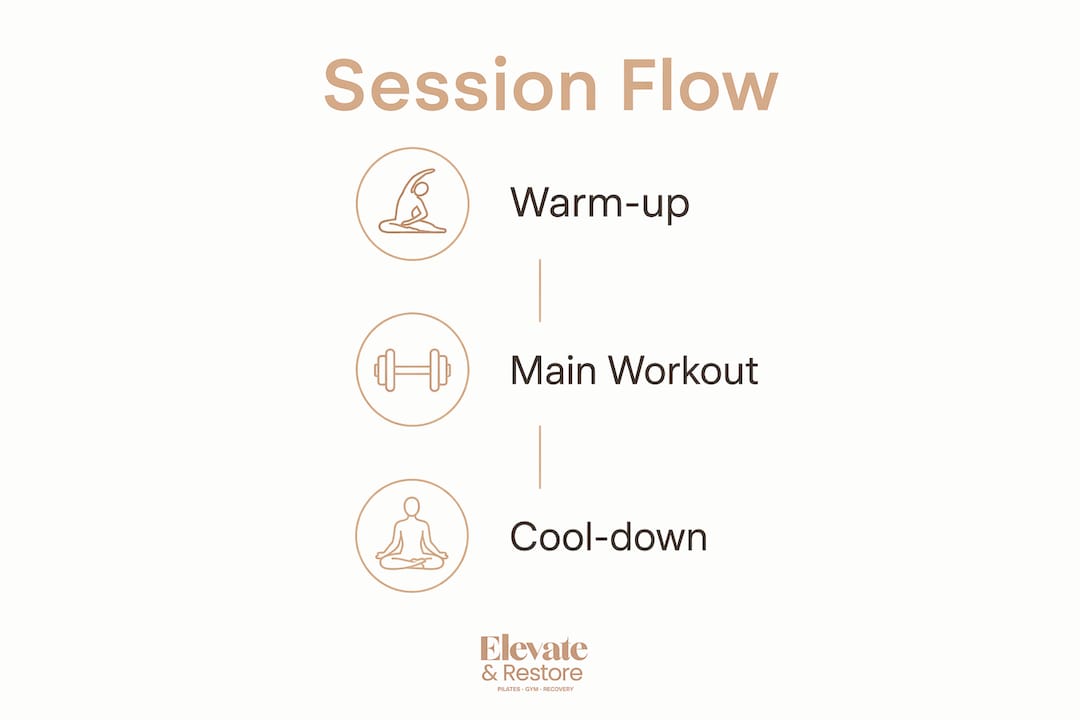
Here is what a typical session looks like:
- A dynamic warm-up to prepare your joints and raise your heart rate
- A main workout block covering strength, functional movement, or Pilates exercises
- A cool-down with stretching or recovery work
- Real-time feedback from your coach throughout
- A welcoming, low-pressure atmosphere where beginners genuinely fit in
What happens in a small group class, from start to finish
A well-run small group session follows a clear rhythm, and knowing it in advance takes the nerves out of day one.
The warm-up runs for roughly 10 minutes and uses dynamic movements, think leg swings, hip circles, and light cardio, to prepare your body and reduce injury risk. It is not optional filler. A proper warm-up raises core temperature and primes the muscles you are about to load.
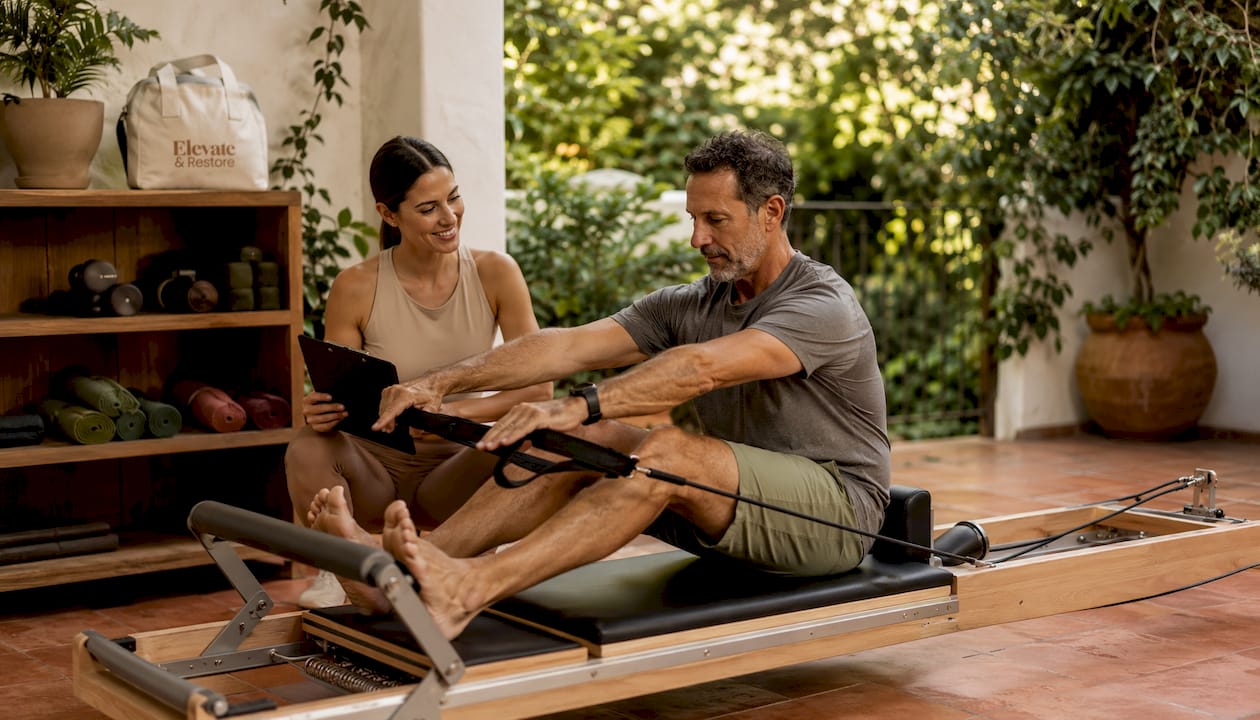
The main workout block is where the real work happens. Depending on the studio's focus, this might be Pilates reformer work, functional strength circuits, or a mix of both. Workouts evolve as the group progresses, so you are not doing the same session on repeat. Exercises get more challenging as your technique and fitness improve, which keeps the sessions genuinely engaging.
Cool-down is the part most people underestimate. Stretching and myofascial release at the end of a session help manage soreness and support recovery. At studios like Elevateandrestore, the recovery side of training is taken seriously, with access to a sauna, cold plunge, hot tub, and compression boots after class.
How your coach shapes the entire session
The coach in a small group class is not a participant. Their job is to watch, correct, and guide, and in a group of six to ten, they can actually do that properly.
From the moment the session starts, the coach sets the pace and tone. They demonstrate movements, cue technique, and scan the room constantly. If your hips are dropping in a plank or your spine is rounding on a deadlift, a good coach catches it within the first rep and fixes it before it becomes a habit. Trainers in small groups provide tailored guidance and monitor individual form rather than simply leading the group through a routine.
- Real-time form correction keeps you safe and speeds up skill development
- Exercise modifications mean beginners and more advanced participants can train together
- Coaches track your progress across sessions and adjust your programme accordingly
- Rapport builds quickly in small groups, which makes it easier to ask questions
Pro Tip: Before your first session, tell the coach about any injuries or physical limitations. A good coach will modify your exercises on the spot. You do not need to be fit to start, you just need to show up and communicate.
Why the group dynamic actually makes you work harder
Training alongside others changes your effort level in ways that solo workouts rarely do. Small group environments satisfy the psychological needs of competence and relatedness, both of which support long-term exercise motivation. Put simply, people stick to programmes when they feel capable and connected.
There is also a learning effect that most people do not expect. Watching a more experienced member perform a movement correctly gives you a mental template before you try it yourself. Research published in the Journal of Strength and Conditioning Research found that vicarious observation of other exercisers boosts self-efficacy and skill acquisition in group settings.
The accountability piece is real too. When your coach and your training partners expect to see you on Tuesday morning, skipping becomes a much harder decision. Retention rates in small group training programmes are high, reflecting how strongly the group structure keeps people engaged.
- Peer accountability raises consistency more reliably than motivation alone
- Friendly competition within the group pushes effort without pressure
- A shared goal creates genuine camaraderie over time
- Social belonging meets a psychological need that solo training simply cannot
How to prepare for your first session
Showing up prepared makes the experience far more enjoyable. The practical side is straightforward: wear comfortable, fitted exercise clothes that allow full movement, and bring supportive footwear suited to the class type. For Pilates, grip socks are often preferred or required. For functional training, a cross-training shoe works well.
Proper preparation also means bringing a water bottle and a small towel. Most studios supply equipment, but check in advance if you need anything specific.
Arrive 10 minutes early. That window gives you time to meet the coach, fill in any health forms, and settle in before the session starts. Walking in cold with no context is the fastest way to feel out of place.
- Tell the coach your fitness level and any injuries before the warm-up begins
- Do not compare yourself to others in the group, everyone started somewhere
- Focus on learning the movements correctly rather than keeping up with the pace
- Plan to feel some muscle soreness after your first session. It is normal and fades quickly
The mental side matters as much as the physical. Your first class is about orientation, not performance. Give yourself permission to go at your own pace, ask questions, and get comfortable with the environment.
Key takeaways
Small group fitness and Pilates classes offer personalised coaching, genuine community, and structured sessions that adapt as you improve.
| Point | Details |
|---|---|
| Session structure | Every class follows a warm-up, main workout, and cool-down sequence. |
| Coach's role | Coaches correct form, modify exercises, and track your individual progress. |
| Group accountability | Retention in small group programmes averages 88%, driven by peer and coach accountability. |
| Psychological benefit | Group settings satisfy the needs for competence and relatedness, supporting long-term adherence. |
| Preparation | Arrive early, wear suitable clothes, bring water, and tell your coach about any injuries. |
Ready to experience it for yourself? Elevateandrestore runs small group Pilates and functional training sessions capped at six people in West Footscray, paired with a full recovery lounge including sauna, cold plunge, hot tub, and compression boots. It is the kind of environment where beginners actually thrive.