
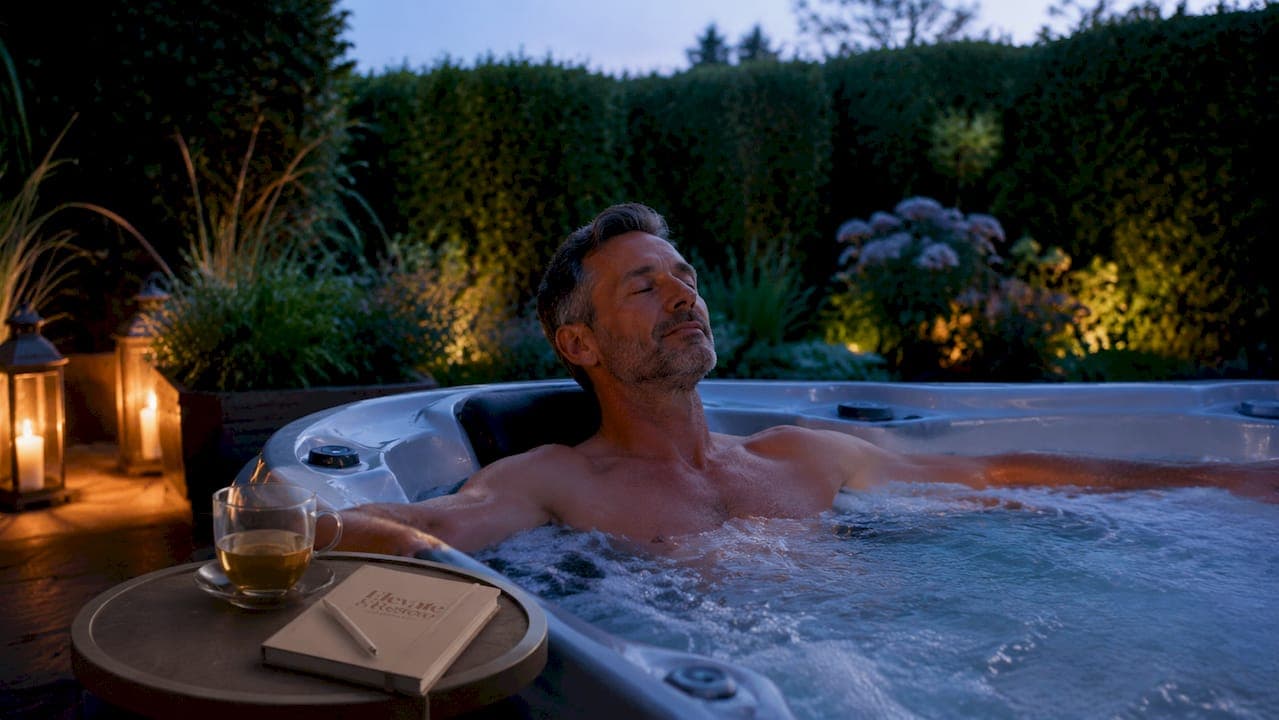
For regular post-workout muscle maintenance, a hot tub is your go-to. For a deep nervous-system reset, chronic pain relief, or persistent insomnia, a float tank delivers results a hot tub simply cannot replicate.
- Hot tub: Use it frequently, ideally several times a week, after training sessions or on rest days to flush muscle tension and support circulation.
- Float tank: Book it periodically, once or twice a month (or weekly if you're managing chronic stress or pain), for an intensive mental and physical reset.
TL;DR: Stack both across your week. Hot tub for muscular maintenance after training; float tank as a fortnightly reset for your nervous system.
Table of Contents
- How do hot tubs and float tanks actually work differently?
- Which modality wins for muscle, pain, sleep, and mood?
- How to use each safely: duration, temperature, and Australian precautions
- Which should you choose for your specific goal?
- Who benefits most from each modality?
- Key takeaways
- The case for using both, not choosing between them
- Recovery in inner west Melbourne: what Elevateandrestore offers
- Selected sources and further reading
How do hot tubs and float tanks actually work differently?
The mechanisms are genuinely distinct, and that distinction explains why one modality cannot fully replace the other.
A hot tub works through heat and pressure. Water temperatures typically sit in a warm range that triggers vasodilation: blood vessels widen, circulation increases, and muscles soften. The jets add targeted mechanical pressure, loosening tight tissue the way a basic warm soak cannot. The result is short-term muscle relief and improved blood flow, both of which matter after a hard training session.
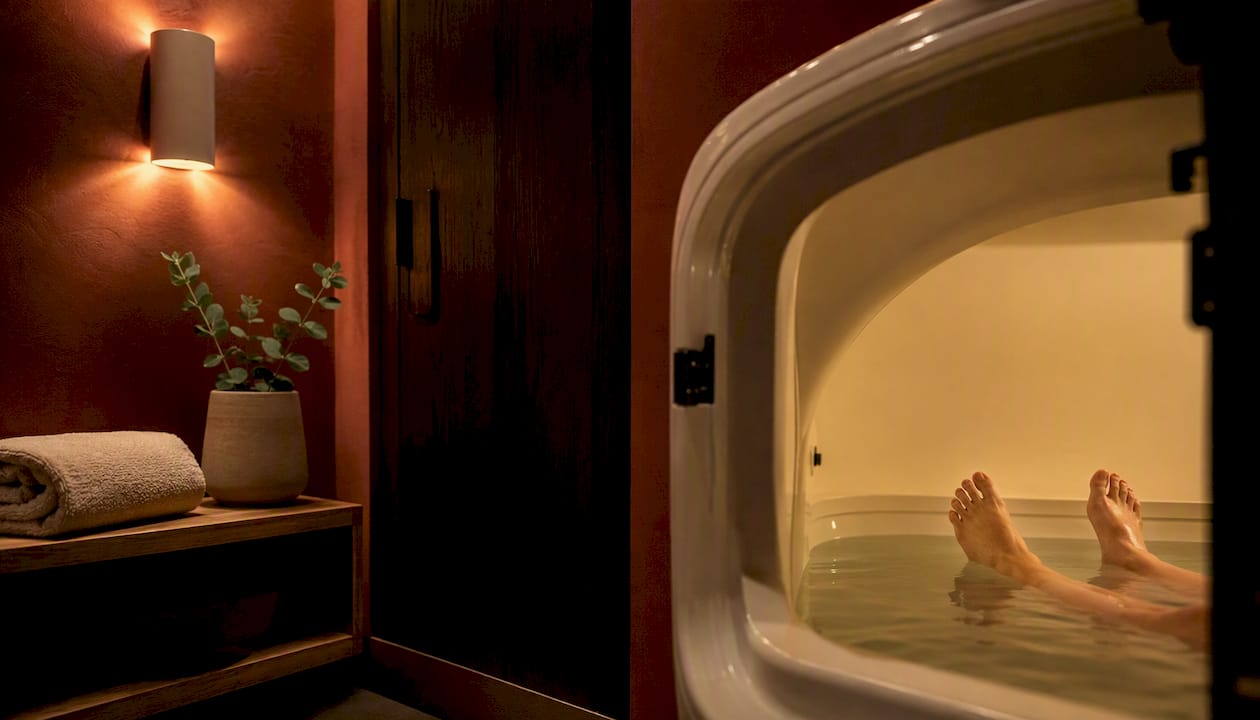
A float tank works through the opposite principle: removal. The water is held at skin temperature, meaning your brain quickly loses track of where your body ends and the water begins. That thermoneutral condition, combined with roughly 450 kilograms of dissolved Epsom salt creating near-zero-gravity buoyancy, removes almost all sensory input. Your nervous system has nothing to process and shifts into parasympathetic dominance. That is the state where deep restoration happens, and it is qualitatively different from relaxation you get in warm water.
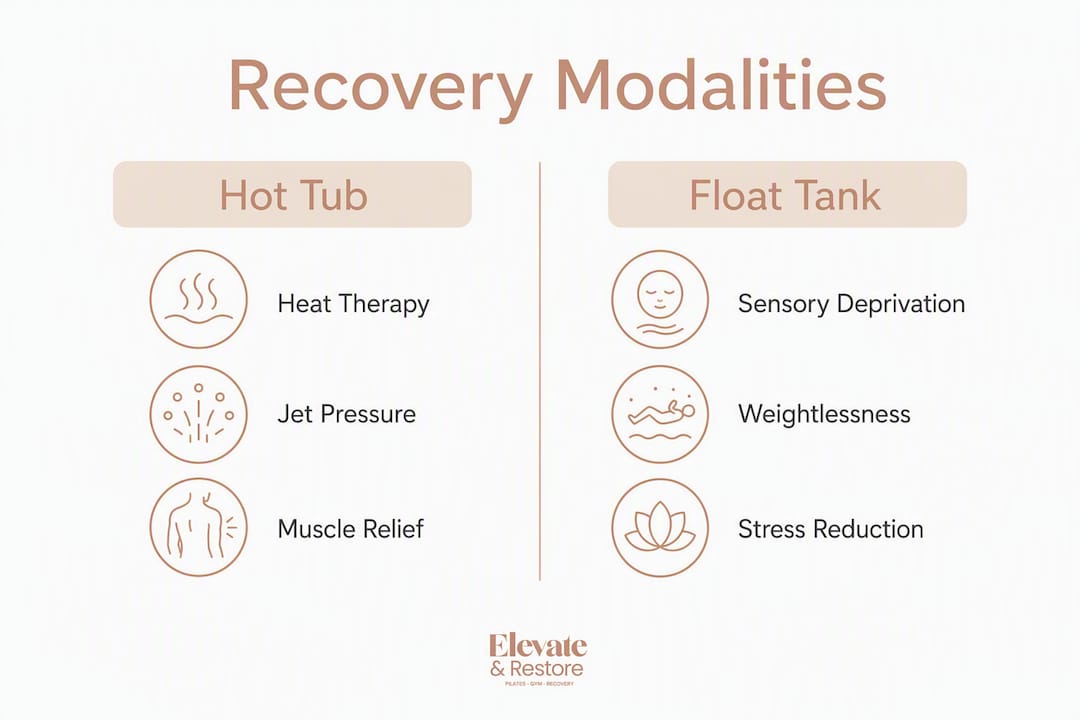
| Modality | Primary input | Core mechanism |
|---|---|---|
| Hot tub | Heat + jets | Vasodilation, mechanical pressure, muscle relief |
| Float tank | Buoyancy + silence | Sensory reduction, thermoneutrality, parasympathetic shift |
Pro Tip: Float tanks are not simply a quieter hot tub. The psychological mechanism is different and requires different preparation. Avoid caffeine or heavy meals for at least one to two hours before a float session, or the mental quieting takes much longer to arrive.
Float tanks remove the need for muscle support almost entirely. Hot tub buoyancy reduces load on the musculature, but it does not eliminate it. That distinction matters for anyone using water therapy to genuinely offload the nervous system rather than just warm up tired legs.
Which modality wins for muscle, pain, sleep, and mood?
Neither modality is universally superior. Each tends to dominate in specific recovery domains.
Hot tubs lead for acute musculoskeletal relief and circulation. The combination of heat-induced vasodilation and jet pressure addresses muscle tension and short-term pain more directly than floating does. Hydrotherapy literature supports warm-water immersion as a rehabilitation adjunct, particularly because water reduces load during movement and jets provide targeted massage for specific muscle groups.
Float tanks lead for nervous-system outcomes: stress, anxiety, sleep, and chronic pain. A 2023 randomised controlled trial found that floatation-REST lowered blood pressure and state anxiety compared with bed-rest controls in both anxious and non-anxious participants. A systematic review of floatation-REST found consistent evidence for reductions in anxiety, chronic pain, and sleep difficulties. For sleep specifically, warm-water immersion before bed can reduce sleep onset latency in meta-analysis data, though float tanks add the sensory-reduction layer that may deepen that effect further.
| Recovery domain | Stronger modality | Notes |
|---|---|---|
| Acute muscle soreness | Hot tub | Heat + jets target localised tension directly |
| Circulation | Hot tub | Vasodilation at 40°C is well-documented |
| Chronic pain | Float tank | Near-zero gravity offloads joints; REST reviews confirm pain reduction |
| Anxiety and stress | Float tank | Cortisol drops have been reported in aggregate float studies |
| Sleep onset | Both | Warm water 1–2 hrs before bed helps; float adds sensory reduction |
| Mood | Float tank | Parasympathetic shift produces lasting mood improvement |
| Cost and access | Hot tub | More accessible via studio or home ownership |
The most effective recovery programmes treat hot tubs and float tanks as complementary tools, not competing ones. Frequent hot tub use keeps the body moving well between sessions; periodic floating resets the system at a deeper level that heat and jets alone cannot reach.
For recovery methods that pair well with strength training, the combination of both modalities across a week consistently outperforms relying on either one alone.
How to use each safely: duration, temperature, and Australian precautions
Hot tub session guidelines
Keep sessions to 20–30 minutes. Beyond that, dehydration, light-headedness, and fatigue become real risks. Drink water before and after. In an Australian summer, be especially cautious about core temperature: stepping out of a 40°C tub into a hot day removes the cooling effect you would normally get.
Float tank session guidelines
Standard float sessions run 60 minutes, though many studios offer 90-minute options. Falling asleep during a float is generally safe because water depth is shallow and the environment is controlled, but confirm the studio's protocols before your first session. Australian float studios typically require a pre-float shower, and most enforce strict hygiene standards including Epsom salt's natural antibacterial properties as part of their infection-control approach.
| Modality | Recommended session length | Recommended frequency | Typical total time commitment |
|---|---|---|---|
| Hot tub | 20–30 minutes | Several times per week | 30 minutes including prep |
| Float tank | 60–90 minutes | Once or twice per month (weekly for chronic conditions) | 90 minutes including travel and shower |
Safety checklist for both modalities:
- Hydrate well before and after any hot tub session.
- Avoid alcohol before either modality.
- People who are pregnant, or who have cardiovascular conditions or uncontrolled hypertension, should consult a GP before using a hot tub at therapeutic temperatures.
- Float tanks are not recommended for open wounds, skin infections, or immediately after hair colouring.
- In Australian commercial studios, infection-control standards are regulated; ask about water filtration and Epsom salt concentration if you are unsure.
- Remove contact lenses before floating.
Combining with other recovery methods: hot tubs pair well with compression therapy and stretching immediately after. Float tanks work best as a standalone session; pairing with breathing techniques before the session can accelerate the parasympathetic shift. For readers doing high-intensity sprint work, the recovery demands of HIIT make a post-session hot tub soak particularly useful for flushing metabolic byproducts.
Cost in Australia: commercial hot tub access at a recovery studio typically costs $20–$40 per session or is bundled into a membership. Float tank sessions at Australian studios are usually priced between $70 and $100 per session, while commercial hot tub access at a recovery studio typically costs $20–$40 per session or is bundled into a membership. Both offer membership discounts for frequent visitors.
Pro Tip: Book your float tank session on a rest day or the evening after a light training day, not immediately after a heavy session. Your nervous system needs to be calm enough to receive the benefit.
Which should you choose for your specific goal?
Post-workout acute muscle soreness
Hot tub. After a hard session, heat and jet pressure address the immediate muscular tension. Use it within a few hours of training for best effect. For readers following active recovery day protocols, a 20-minute hot tub soak fits naturally into that framework.

Injury rehabilitation
Hot tub, with professional guidance. Warm-water immersion reduces load during movement and supports physiotherapy adjunct work. The buoyancy makes gentle range-of-motion exercises easier on damaged tissue. Always coordinate with your physio on timing and temperature.
Chronic tension and fibromyalgia
Float tank. The near-zero-gravity environment removes the constant muscular effort of supporting your own body weight, which is where much of the chronic tension lives. REST research consistently shows pain reduction for this population.
Insomnia and anxiety
Float tank, with warm-water immersion as a supplement. A float session addresses the nervous-system dysregulation underlying both conditions. On nights when a float is not scheduled, a warm bath or hot tub soak one to two hours before bed can reduce sleep onset latency.
Social relaxation and ritual
Hot tub. Floating is a solo, silent experience by design. A hot tub is social, accessible, and works well as a regular wind-down ritual after training or a long day.
Sample weekly stacking routines
For the active adult (3–4 training sessions per week):
- Monday: training + 20-minute hot tub soak post-session.
- Wednesday: training + hot tub.
- Friday: training + hot tub.
- Every second Sunday: 60-minute float session as a fortnightly nervous-system reset.
For the stressed professional managing chronic tension:
- Tuesday and Thursday: hot tub soak in the evening (20 minutes, hydrate well).
- Saturday morning: 90-minute float session weekly, or fortnightly if budget is a constraint.
- Pair float days with sauna recovery in the same visit where the studio offers it.
Who benefits most from each modality?
Hot tub is the better fit if you:
- Train regularly and need frequent muscular maintenance between sessions.
- Want a social, accessible recovery ritual you can use several times a week.
- Are managing mild joint stiffness or post-exercise soreness.
- Are working with a physio on rehabilitation and need load-reduced movement.
Float tank is the better fit if you:
- Are dealing with chronic stress, anxiety, or persistent insomnia.
- Have chronic pain conditions where constant muscle engagement is part of the problem.
- Want a deep, periodic reset rather than daily maintenance.
- Are open to a solo, sensory-reduced experience and can commit to 90 minutes including travel.
Both modalities are available at Australian recovery studios, and trying each once before committing to a routine is the most practical starting point. Book through a reputable local studio, follow the session guidelines above, and give each modality at least two to three sessions before drawing conclusions about what works for your body.
Key takeaways
Hot tubs and float tanks serve different recovery needs: use hot tubs frequently for muscular maintenance and float tanks periodically for nervous-system restoration and chronic stress relief.
| Point | Details |
|---|---|
| Hot tub session length | Keep sessions to 20–30 minutes; longer risks dehydration and fatigue. |
| Float tank frequency | Once or twice per month for general wellness; weekly for those managing chronic stress or pain. |
| Primary benefit split | Hot tubs target muscles and circulation; float tanks target the nervous system and chronic pain. |
| Safety first | Hydrate before hot tub use; avoid float tanks with open wounds or skin infections. |
| Elevateandrestore recovery hub | Offers hot tub, sauna, cold plunge, and compression therapy in inner west Melbourne for integrated recovery. |
The case for using both, not choosing between them
The conventional framing of float therapy vs hot tub as a binary choice misses the point. These modalities do not compete; they operate on different physiological layers. A hot tub addresses the surface: muscles, circulation, localised tension. A float tank addresses the layer underneath: the autonomic nervous system, the chronic stress load, the sleep architecture that determines how well you recover from everything else.
What gets overlooked is that most health-conscious adults are not under-recovering physically. They are over-stimulated neurologically. They train, they stretch, they use compression boots, and they still feel wound up. That is not a muscular problem. A hot tub will not fix it, no matter how frequently it is used. A float session, even once a fortnight, addresses the actual bottleneck.
The other underappreciated point: float tanks require a different mental approach than any other recovery tool. Treating your first float like a warm bath is the most common mistake. The benefit arrives when you stop waiting for it. That takes practice, and most people need two or three sessions before the nervous system genuinely lets go. Writing off float therapy after one uncomfortable session is like judging meditation after a single distracted attempt.
The practical recommendation is simple. Use your hot tub as a training tool. Use your float tank as a reset. Schedule both, and why recovery determines your actual strength gains becomes much clearer in practice.
Recovery in inner west Melbourne: what Elevateandrestore offers
If you are based in Melbourne's inner west and want access to both modalities without the cost of home ownership, Elevateandrestore's recovery lounge brings together a hot tub, infrared sauna, cold plunge, and compression therapy under one roof in a boutique studio setting.
The recovery hub is designed to complement the studio's small-group reformer Pilates and functional training classes, but it is also available as a standalone booking. Sessions are kept small and the environment is calm, which matters when the goal is genuine restoration rather than another stimulating experience. Whether you are post-training and need 20 minutes in the hot tub, or you are overdue for a deeper reset, the studio is set up to support both.
Book a recovery session or explore the full programme at Elevateandrestore.
Selected sources and further reading
- A systematic review of flotation-REST (PMC / NCBI) — peer-reviewed systematic review of floatation-restricted environmental stimulation therapy outcomes.
- Floatation therapy for mental health conditions (NCBI Bookshelf) — evidence summary on anxiety, sleep, and mood outcomes from float therapy.
- What is float therapy? (Cleveland Clinic) — clinical overview including hydrotherapy and rehabilitation context.
- Elevateandrestore recovery hub — local studio resource for recovery services in inner west Melbourne.
Suggested search terms for Australian readers: 'floatation therapy benefits Australia', 'hot tub hydrotherapy recovery study', 'float tank Melbourne inner west', 'REST therapy anxiety Australia', 'hydrotherapy rehabilitation Australia'.