
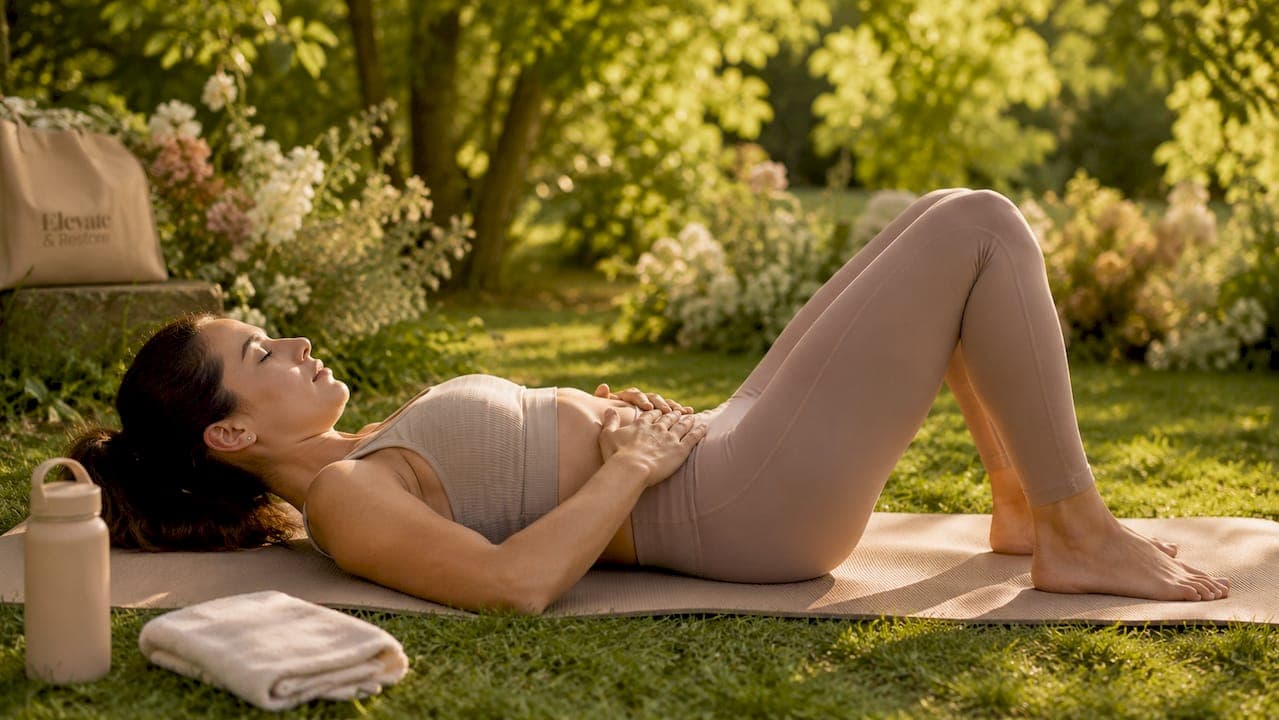
Pilates for pelvic floor is a coordinated training method that strengthens pelvic floor muscles through integrated breath, posture, and deep core engagement rather than isolated squeezing. A published randomised trial found a 12-week Pilates programme significantly reduces stress urinary incontinence and increases pelvic floor muscle strength in women. That result matters because it means you are not just doing pelvic floor exercises in isolation. You are training your body to manage pressure, move well, and function better in everyday life. This guide covers how Pilates works, how to start safely, and which exercises to prioritise.
How does Pilates work the pelvic floor differently?
Pilates treats the pelvic floor as one part of a pressure-management system, not a muscle you simply squeeze and release. The pelvic floor coordinates with the diaphragm, transversus abdominis, and multifidus to manage intra-abdominal pressure during actions like sneezing, lifting, or jumping. When that coordination breaks down, leakage and pelvic pain often follow. Pilates trains the timing of that whole system together.
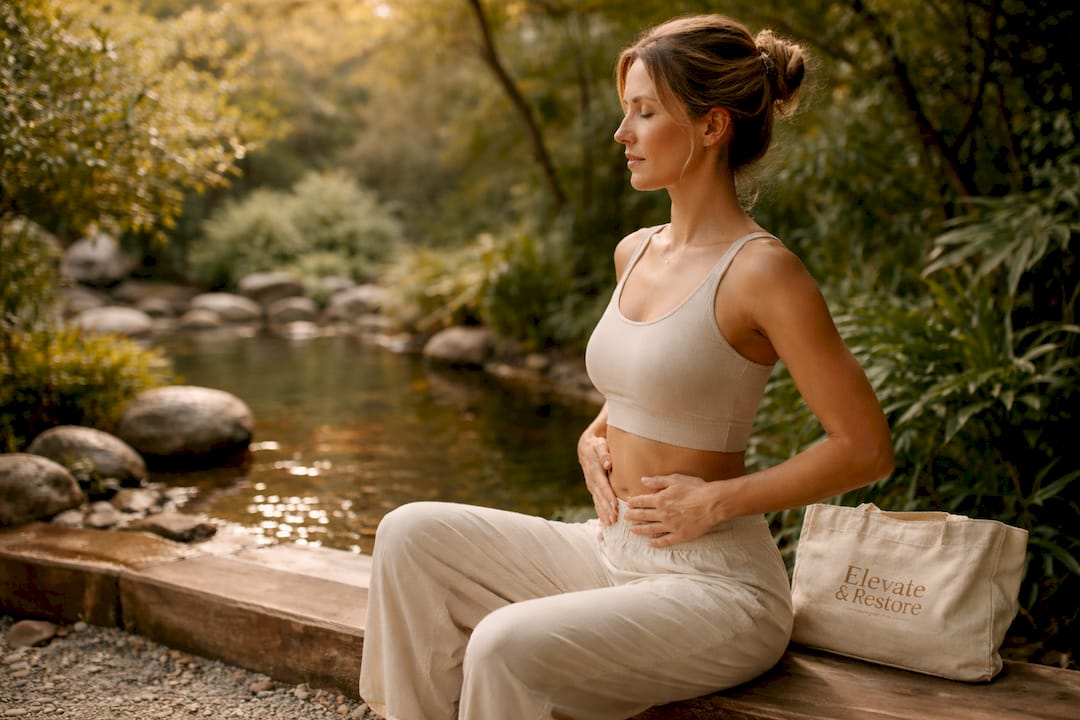
Traditional pelvic floor exercises like Kegels focus almost entirely on concentric contractions: squeezing and holding. Pilates adds eccentric work, which means training the pelvic floor to lengthen under load as well. A randomised trial of 62 women found Pilates produced equivalent strength gains to traditional pelvic floor muscle training over 12 weeks. The difference is that Pilates also builds coordination, endurance, and the reflexive timing your body needs during real activity.
Breath synchronisation is the core technique that separates Pilates from other approaches. You exhale as you lift and engage the pelvic floor, then inhale as you release and soften. This mirrors the natural pressure cycle of the breath and trains your pelvic floor to respond automatically before pressure increases.
Key principles that make Pilates pelvic health techniques distinct:
- Anticipatory activation: the pelvic floor engages slightly before or with the breath, not after the pressure spike
- Eccentric training: muscles lengthen under control during the release phase, building resilience
- Full-body integration: posture, hip alignment, and spinal position all affect pelvic floor function
- Relaxation as training: releasing the pelvic floor completely is trained as deliberately as contracting it
Pro Tip: If you notice you are holding your breath during any Pilates exercise, stop and reset. Breath holding traps intra-abdominal pressure and can worsen pelvic floor symptoms rather than improve them.
What do you need to start pelvic floor Pilates safely?
Starting without preparation is where most people go wrong. Professional assessment is advised before progressing exercise if you experience leakage, prolapse symptoms, or pelvic pain. A pelvic floor physiotherapist can confirm whether your muscles are underactive, overactive, or uncoordinated. That distinction changes everything about how you train.
Equipment matters less than technique at the beginning. Mat Pilates is accessible and effective for learning foundational pelvic floor coordination. Reformer Pilates reduces gravitational load and allows controlled resistance progression, which makes it particularly useful for women recovering from pelvic floor dysfunction or returning to exercise postpartum. The reformer is not more advanced. It is often more forgiving.
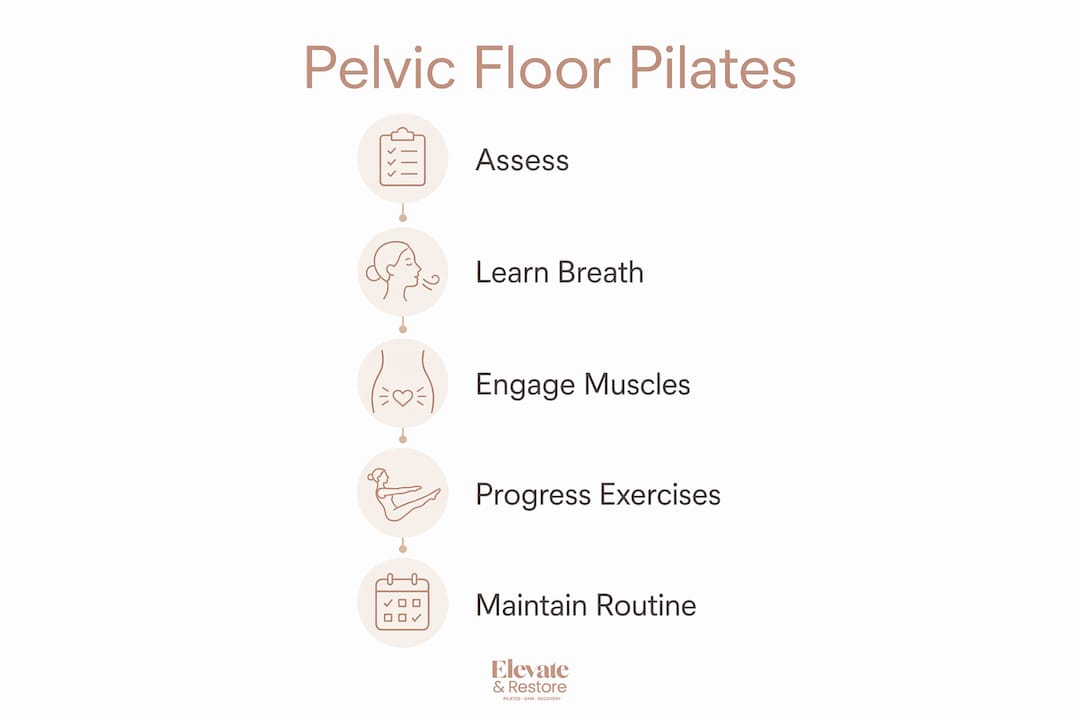
Before your first session, you need two things: basic breath awareness and the ability to locate your pelvic floor without gripping your glutes or inner thighs. Many women discover through assessment that they have been over-contracting for years, which creates a hypertonic or tight pelvic floor that needs release work before strengthening. Correct internal activation is critical to the success of any exercise programme, including Pilates.
What to sort out before you begin:
- Physiotherapy check: book a pelvic floor assessment if you have any symptoms, even mild ones
- Breath practice: spend one week simply practising the exhale-lift, inhale-release pattern lying down
- Realistic timeline: most women notice meaningful improvement within six to eight weeks of consistent practice two to three times per week
- Modifications: side-lying and supine positions reduce load and are the safest starting points for most beginners
Best Pilates moves for pelvic floor: a beginner sequence
This sequence trains pelvic floor coordination through progressive load and breath timing. Work through it in order, spending two to three sessions on each exercise before adding the next.
-
Supine breathing with pelvic floor lift. Lie on your back with knees bent. Inhale to expand your ribcage. Exhale slowly and gently lift your pelvic floor as if picking up a blueberry. Hold for five seconds, then fully release. Repeat ten times. This is your foundation for every other exercise.
-
Pelvic tilts. From the same position, exhale and gently tilt your pelvis to flatten your lower back against the mat. Engage your pelvic floor with the exhale. Inhale to return to neutral. This trains spinal mobility alongside pelvic floor timing.
-
Glute bridge. Exhale and peel your spine off the mat one vertebra at a time, lifting your hips. Your pelvic floor lifts with the exhale. Hold at the top for three breaths, maintaining the lift without gripping. Lower slowly on the inhale. Long holds combined with short contractions build both endurance and fast-twitch responsiveness.
-
Side-lying leg lift. Lie on your side with hips stacked. Exhale and lift your top leg to hip height, engaging your pelvic floor with the breath. Lower slowly on the inhale. This adds lateral hip load without increasing spinal compression.
-
Bird-dog. On hands and knees, exhale and extend one arm and the opposite leg simultaneously. Your pelvic floor engages with the exhale and must stabilise against the rotational challenge. This is the first exercise in the sequence that trains anticipatory coordination under real functional demand.
Pro Tip: Add ten short, quick contractions at the end of your session. Contract and release your pelvic floor rapidly for one second each. This trains the fast-twitch fibres that respond to sudden pressure spikes like coughing or sneezing.
| Exercise | Primary benefit | Starting sets |
|---|---|---|
| Supine breathing | Breath and pelvic floor coordination | 3 x 10 reps |
| Pelvic tilt | Spinal mobility with pelvic floor timing | 3 x 10 reps |
| Glute bridge | Endurance and posterior chain integration | 3 x 8 reps |
| Side-lying leg lift | Lateral hip load with pelvic floor activation | 3 x 10 each side |
| Bird-dog | Anticipatory coordination under functional load | 3 x 8 each side |
Common mistakes that slow your progress
The most damaging mistake in pelvic floor Pilates is over-gripping. Many women clench their glutes, inner thighs, and abdomen simultaneously in an attempt to feel the pelvic floor working. Excessive gripping and breath holding increase pelvic floor pressure and can worsen symptoms rather than improve them. The sensation you are looking for is a gentle internal lift, not a full-body brace.
Progressing too quickly is equally common. High-load exercises like double-leg lowers, full roll-ups, or advanced reformer footwork place significant intra-abdominal pressure on the pelvic floor. Intra-abdominal pressure is safe when breath and effort are coordinated correctly, but that coordination takes weeks to develop. Jumping to advanced movements before mastering the basics is the fastest way to trigger a symptom flare.
"Good Pilates cueing prioritises breath and gentle lifting over forceful gripping. If you are straining to feel the contraction, you are working against your pelvic floor, not with it." — Polestar Pilates
Watch out for these specific errors:
- Skipping the release phase: failing to fully relax between contractions prevents the muscle from recovering and can create hypertonicity
- Ignoring symptoms during practice: leakage, heaviness, or pelvic pain during exercise are signals to reduce load or seek guidance, not push through
- Training without feedback: working with a qualified instructor, at least initially, catches technique errors you cannot feel yourself
- Inconsistent frequency: two sessions per week produces far better results than one intense session followed by a long gap
How Pilates supports pelvic floor health beyond strengthening
Strength is only one dimension of pelvic floor health. Pilates improves pelvic floor endurance, relaxation, and coordination beyond raw strength, which is what makes it effective for daily functional demands. A strong pelvic floor that cannot relax is just as problematic as a weak one.
Pilates also builds what physiotherapists call eccentric resilience. This is the ability of the pelvic floor to lengthen under load without losing control. Running, jumping, and lifting all require this quality. Kegels alone do not train it. The functional approach of Pilates pelvic health techniques connects core muscle timing with pelvic floor responsiveness during real movement patterns.
For women navigating perimenopause or postpartum recovery, the benefits extend further. Pilates supports posture changes that reduce unnecessary strain on the pelvic floor. It also addresses the hip and lumbar patterns that often develop during pregnancy and contribute to ongoing pelvic floor dysfunction. For those returning to exercise after having a baby, the postpartum fitness considerations around pelvic floor loading are particularly relevant.
Key benefits beyond strength:
- Relaxation training: contraction and relaxation phases are both trained, preventing overactivity and supporting functional recovery
- Postural correction: improved spinal alignment reduces chronic downward pressure on the pelvic floor
- Mindful movement: breath-focused practice builds body awareness that transfers to everyday activities like lifting and exercise
- Menopausal support: reduced oestrogen affects pelvic floor tissue quality, and consistent Pilates practice helps maintain muscle responsiveness through this transition
What I have learned from working with pelvic floor clients at Elevateandrestore
The clients who get the best results are not the ones who work hardest. They are the ones who slow down long enough to actually feel what their pelvic floor is doing. At Elevateandrestore, we see this consistently in our small-group reformer sessions. Women who come in expecting to sweat through a tough workout often need to unlearn the habit of gripping everything at once before they can make real progress.
The reformer is genuinely useful here. It reduces load in ways that mat work cannot, which means clients can practise correct breath and pelvic floor timing without fighting gravity. That matters enormously in the early weeks. Once the coordination is there, progressive resistance on the reformer builds strength faster than mat work alone.
My strongest advice is this: get assessed before you start, especially if you have any symptoms. A pelvic floor physiotherapist can tell you in one appointment whether you need to strengthen, release, or both. That information changes your entire training approach. Pilates without that baseline is guesswork. Pilates with it is genuinely one of the most effective tools available for pelvic floor health in women over 30. If you are comparing your options, the Pilates vs yoga comparison for women over 30 is worth reading before you decide.
— Elevate
Start your pelvic floor Pilates programme at Elevateandrestore
Elevateandrestore is a functional training and Pilates studio in West Footscray, Melbourne, with a focus on small groups of six people per session. That size is deliberate. It means your instructor can watch your breath, your alignment, and your technique in a way that is simply not possible in a large class.
Our reformer Pilates sessions are designed for progressive loading, which makes them particularly well suited to pelvic floor training. Whether you are starting from scratch, returning after pregnancy, or managing symptoms like incontinence, the programme adapts to where you are. After your session, the recovery hub, including sauna, cold plunge, hot tub, and compression boots, supports the tissue recovery that makes training stick. Take a look at our boutique fitness classes and book your first session today.
FAQ
What is pilates for pelvic floor?
Pilates for pelvic floor is a training approach that strengthens and coordinates the pelvic floor muscles through integrated breath, posture, and deep core engagement. It differs from isolated exercises like Kegels by training the pelvic floor as part of a whole-body pressure-management system.
Can Pilates help with incontinence?
A 12-week Pilates programme has been shown to significantly reduce stress urinary incontinence and increase pelvic floor muscle strength in women. Results depend on correct technique, consistent practice, and professional guidance where symptoms are present.
How often should I do pelvic floor Pilates?
Two to three sessions per week is the recommended frequency for building pelvic floor strength and coordination through Pilates. Consistency over six to eight weeks produces the most reliable improvement.
Is reformer Pilates better than mat Pilates for the pelvic floor?
Reformer Pilates reduces gravitational load and allows controlled resistance progression, making it particularly useful for women with pelvic floor dysfunction or those in early recovery. Mat Pilates is effective for learning foundational coordination and remains a strong option at any stage.
Do I need a physiotherapy assessment before starting?
Professional pelvic floor assessment is advised before starting if you experience leakage, prolapse symptoms, or pelvic pain. For women without symptoms, beginning with foundational breath and coordination work is generally safe, but assessment provides a more accurate starting point.