
The fastest way to find fitness locations near you is a map search paired with a club locator, filtered by class type or opening hours. Open Google Maps, search "gym near me" or "reformer Pilates near [your suburb]", then cross-check the two or three closest results against a club's own locator page for addresses, class schedules and booking links.
From there, you've got three quick moves: check a map search for distance and reviews, run a locator search on a specific chain or studio's website, or just call and ask about a trial session. Before you start, grab these details:
- Your postcode or suburb
- Preferred class time or days you can actually commit to
- A shortlist of two or three facilities to compare properly
Key Takeaways
Finding the right fitness location comes down to fast local search, a tight evaluation checklist, and matching schedule fit before cost.
| Point | Details |
|---|---|
| Use map search plus locators | Combine Google Maps with a club's own locator page to get verified addresses and hours fast. |
| Check amenities before you commit | Confirm class types, instructor credentials, accessibility and cancellation terms in one call. |
| Compare pricing bands, not fixed figures | Casual, pack and monthly options vary by studio, so check locator or booking pages for current rates. |
| Prioritise trial availability and schedule fit | Answer six quick questions to eliminate options before booking an in-person visit. |
| Elevate and Restore for boutique recovery | Small-group reformer Pilates (max six) with a full recovery hub, bookable as a trial, pack or membership. |
Table of Contents
- How to find fitness locations near you quickly
- What should you check before visiting a fitness location?
- What do fitness memberships typically cost, and where's it cheapest?
- How do boutique studios and recovery hubs compare to standard gyms?
- Six questions to ask that settle your decision in one visit
- Practical ways to cut membership costs without locking in
- What to bring and do before your first session
- How to book a session at Elevate and Restore
How to find fitness locations near you quickly
Scattergun searching wastes time. These methods narrow things down fast:
- Map search first. Open Google Maps or Apple Maps and type your postcode plus "gym" or "fitness studio." Sort by distance and check star ratings.
- Club and studio locators. Most gyms and boutique studios run a locator page listing addresses, phone numbers and sometimes live class timetables, similar to how Planet Fitness structures its branch finder.
- Local directory search. Try phrases like "reformer Pilates near West Footscray" or "gym open 24/7 near 3011" to surface hyper-local results.
- Social search. Instagram and Facebook location tags often reveal boutique studios that don't rank well on Google yet.
- Community pages. Local Facebook groups or council wellness pages sometimes list smaller studios missed by search engines entirely.
Pro Tip: Use Google Maps' filter chips (open now, top rated) plus a locator page's schedule filter together. That combination cuts a list of twenty options down to three worth calling in under five minutes.
What should you check before visiting a fitness location?
A single phone call or five minutes on a location page tells you most of what you need. Confirm the equipment and class mix, whether reformer Pilates or a recovery hub with sauna and cold plunge is actually on site, and who teaches the classes. Many larger gyms list amenities and trainer bios directly on their branch pages, the way 24 Hour Fitness does across its locations.
Accessibility matters more than most people budget for. Check parking availability, proximity to public transport, step-free access if you need it, and what the space looks like during peak hours (6am and 6pm are usually the crunch times).
- Class schedule and instructor qualifications
- Parking, transport links and disability access
- Cleaning protocols and any remaining COVID-19 measures
- Cancellation notice periods and contract lock-in terms
A studio that won't clearly explain its cancellation policy over the phone is telling you something. If they dodge the question, that's your answer before you've even walked in.
What do fitness memberships typically cost, and where's it cheapest?
Membership structures generally fall into four shapes: casual drop-ins (pay per visit, no commitment), class packs (a set number of sessions, often with an expiry date), monthly subscriptions (the standard gym model), and introductory trial offers designed to get you through the door.
Pricing tends to sit in three rough bands: entry-level big-box gyms, mid-range studios with more amenities, and premium boutique setups with recovery inclusions. Rather than guessing at numbers, check a club's own locator or booking widget. That's where current, location-specific pricing actually lives.
- Look for short-term class packs if you're not ready to commit
- Ask about off-peak memberships (cheaper for daytime or late-night access)
- Check if your employer offers a corporate wellness discount
- Watch for studio intro offers, often a discounted first fortnight or free trial class
Pro Tip: Call two studios and ask the same question: "What's your cheapest way to try this for two weeks?" The gap in answers tells you more about value than any published price list.
How do boutique studios and recovery hubs compare to standard gyms?
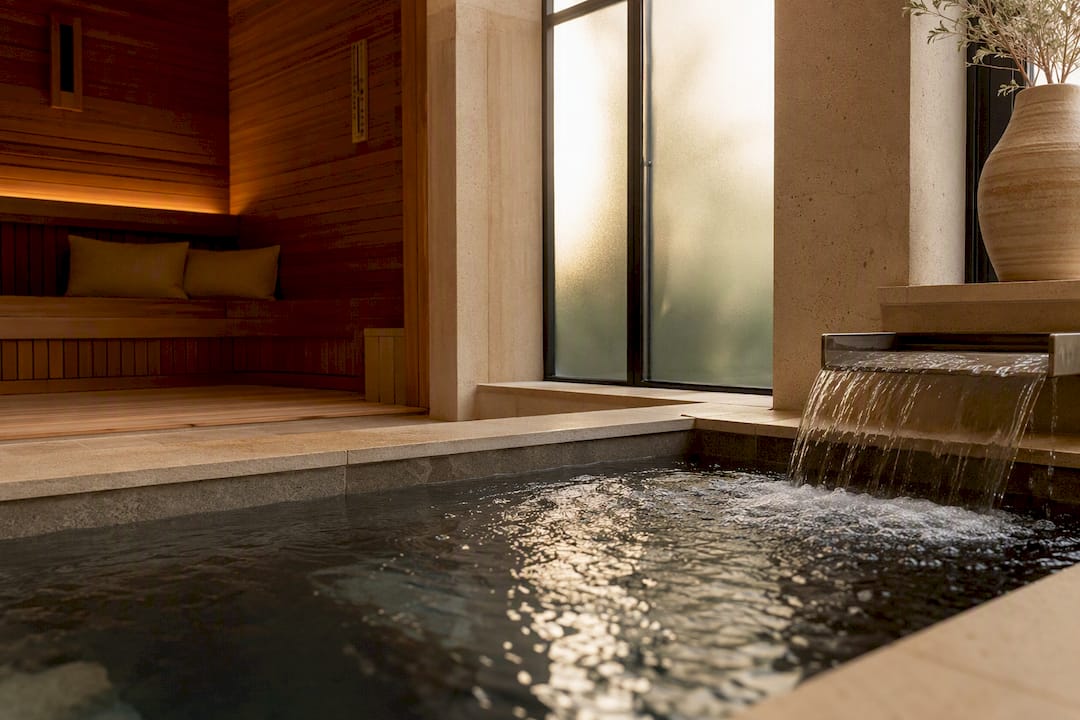
Search terms like "reformer Pilates near me," "recovery lounge," or "cold plunge near me" surface a different category of facility altogether. Boutique studio pages usually list class size caps, instructor credentials, and specific recovery equipment rather than a generic amenities list.
Expect smaller class sizes (often six to eight people), qualified instructors who can actually watch your form, and recovery inclusions like infrared sauna, cold plunge, hot tub or compression therapy bundled into membership. Elevate and Restore is a working example: small-group reformer Pilates classes capped at six people, paired with a recovery hub covering all four of those elements in one boutique space.
Boutique doesn't mean expensive by default. It means the studio has deliberately capped numbers so instructors can actually correct your technique, which changes what you get out of every session.
Six questions to ask that settle your decision in one visit
Once you've got two or three options, these questions do the sorting:
- How far is the commute at the time I'd actually train?
- Does the class schedule fit my week, not just look good on paper?
- Is there a trial session or intro pack I can try first?
- What's the cancellation or freeze policy if my circumstances change?
- How busy does it get during my preferred time slot?
- What recovery or extra facilities are included, and at what cost?
Prioritise schedule fit and trial availability first. Cost and commute matter, but a perfect-priced gym you'll never attend at 6am is worth nothing. Short answers to these six questions should eliminate one or two options before you've even booked a visit, a filtering approach backed by research on why group fitness formats improve accountability in the first place.
Practical ways to cut membership costs without locking in
You don't need a 12-month contract to access decent facilities. Intro trials, class packs, off-peak plans and short-term passes all give you flexibility while you work out whether a studio actually fits your routine.
Ask directly about concession rates, corporate partnerships, family bundles or multi-studio passes. Many studios also offer partner formats worth comparing, and resources like Coachify's breakdown of small-group personal training costs are a useful benchmark if you're weighing studio membership against one-on-one coaching.
- Start with an intro trial or single class pack
- Ask specifically about concession or off-peak pricing
- Check for corporate or family discount arrangements
Pro Tip: If you're unsure about committing, ask whether a studio allows a short-term freeze or a swap to casual sessions instead of cancelling outright. Most will say yes if you simply ask.
What to bring and do before your first session
Turning up prepared avoids the awkward first-visit scramble:
- Photo ID and a payment method
- Comfortable, breathable workout clothes and a water bottle
- Confirmation of your booking or trial pass on your phone
Check your commute time, parking situation and public transport options the night before, not on the drive over. Arrive ten minutes early. Most studios use that window for a quick orientation or a short tour of the space, especially if there's a recovery hub involved.
A note from the studio floor
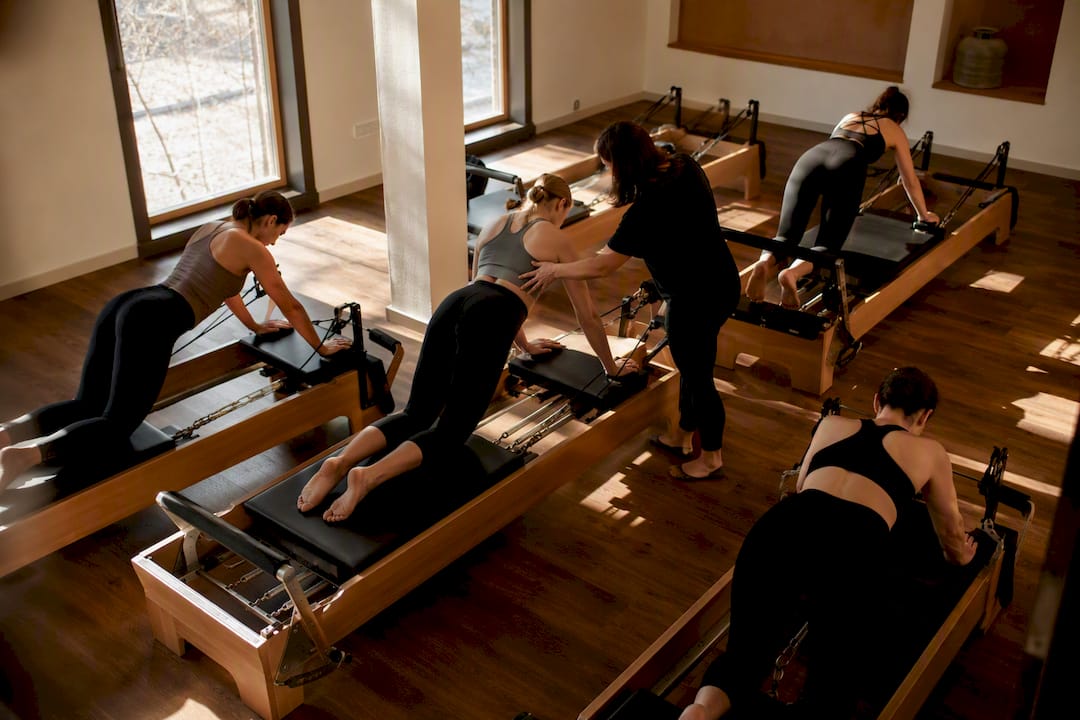
Boutique studios earn their place for people who want more than a treadmill and a locker. If you've read this far, you're probably someone who cares whether an instructor actually watches your form, not just whether a machine is free. Elevate and Restore runs small-group reformer Pilates capped at six people, alongside a recovery hub with sauna, cold plunge, hot tub and compression therapy. Most first-timers leave surprised by how much attention six people actually get compared to a class of twenty.
How to book a session at Elevate and Restore
If everything above has you leaning toward a boutique option, Elevate and Restore runs small-group reformer Pilates (max six people), functional training and HIIT classes, plus full access to a recovery lounge with infrared sauna, cold plunge, hot tub and compression boots, all under one roof rather than scattered across separate providers.
You can book a class pack, a monthly membership, or a single casual session depending on how much certainty you want before committing. The reformer Pilates page lists current class times and booking slots directly, and the recovery lounge page covers what's included if you're mainly chasing the sauna and cold plunge setup. The fastest way in is a trial booking through either page, then a quick call if you've got questions about schedule fit before you commit to a pack.